

Hand Carved Oak
When you search for hand carved oak, you find centuries of timber worked by hand into panels, furniture, and architectural fragments.
Hand Carved Oak
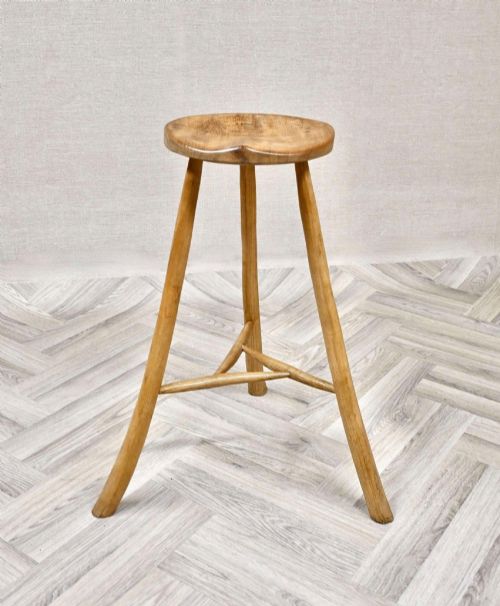
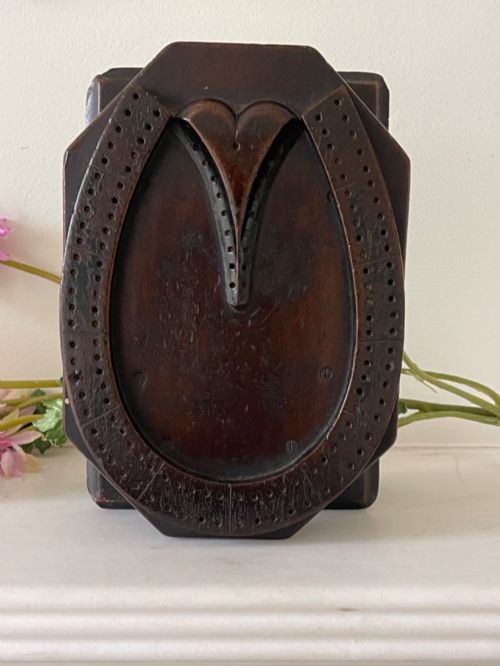
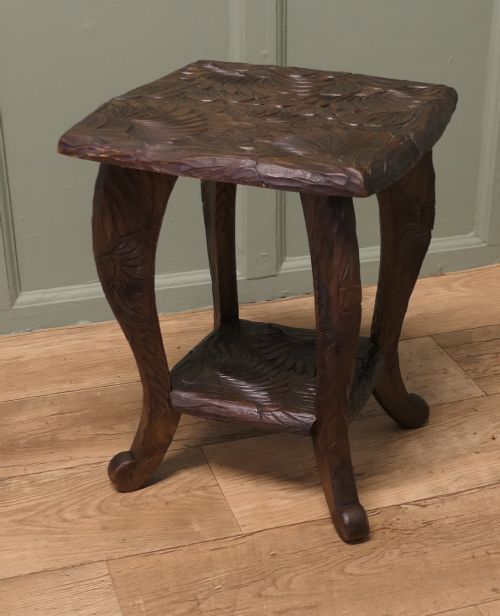
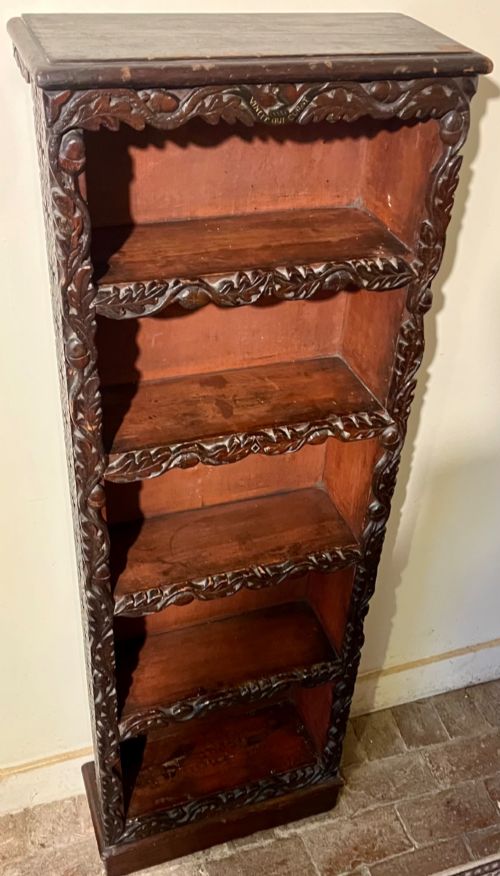
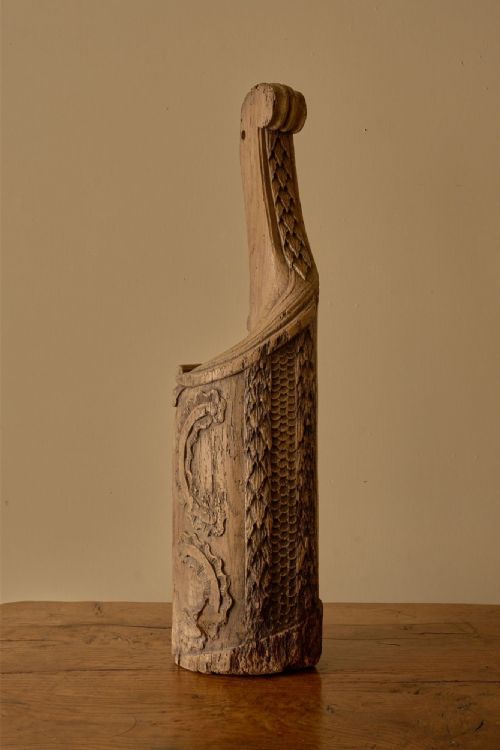
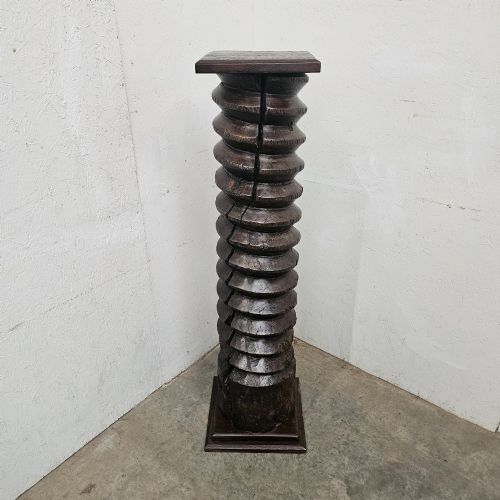
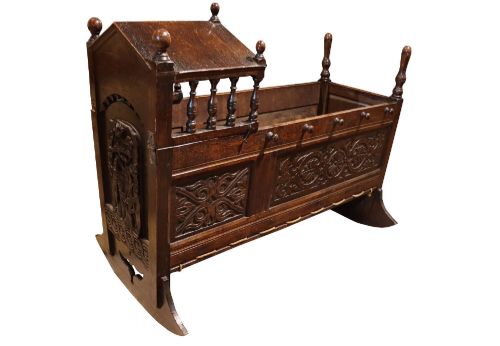
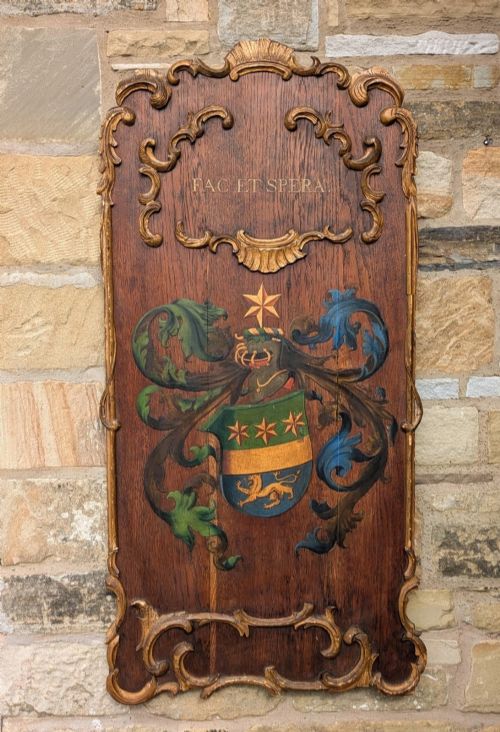
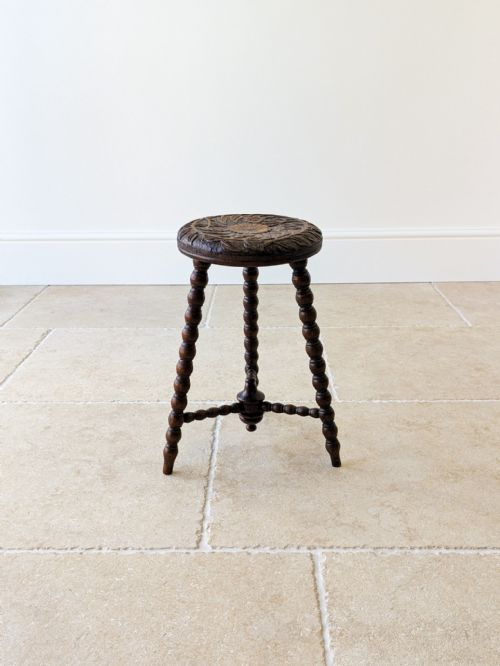
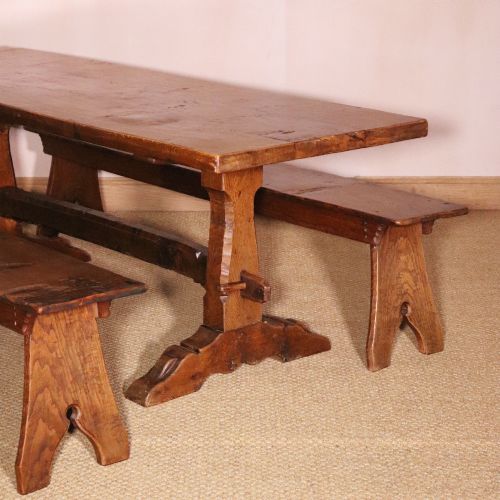
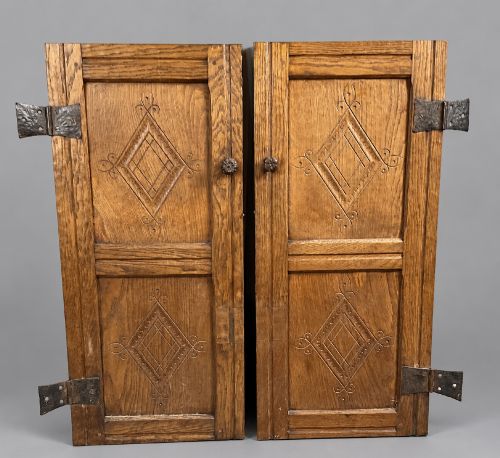
Hand carved oak items on this page span from the sixteenth century through the nineteenth century and into the twentieth century. You will encounter functional domestic objects such as joint stools, hearth stools, cradles, and bible boxes alongside architectural elements like panels, newel posts, and inglenook beam ends.
The styles range from early Tudor and Jacobean Revival to Georgian, Victorian, and Arts and Crafts movements. Pieces often display regional characteristics, including folk art aesthetics from East Anglia or Black Forest carving traditions.
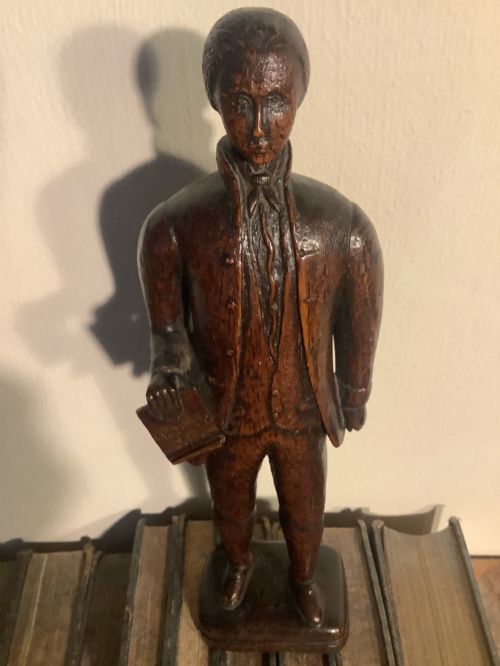
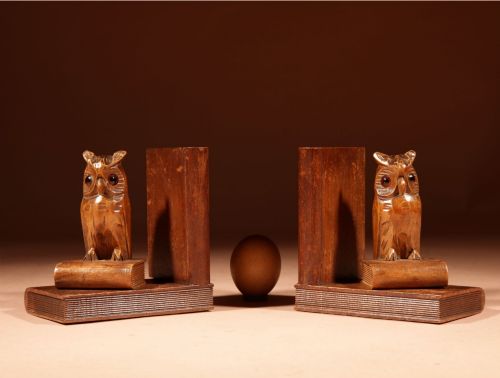
Domestic forms like mirrors, bookends, and fruit bowls sit alongside salvaged architectural fragments. Each object shows the distinct marks of hand tools applied to solid timber across different eras.
Materials and construction
Makers utilised solid oak timber, frequently augmented by brass fittings, iron hardware, and glass components. The wood was worked using chisels, gouges, and hand saws to achieve deep relief carving and structural joints.
Construction methods rely on traditional joinery such as mortise and tenon joints, pegging, and scratch-built assemblies. Surfaces often retain the tool marks left by the maker, showing the direct application of hand tools to the timber.
Hand Carved Oak Retail Price Guide 2026
Typical asking prices for hand carved oak among the pieces listed under this phrase on Sellingantiques today, from the lower quarter to the upper quarter. They describe what is for sale here now, not the wider market.
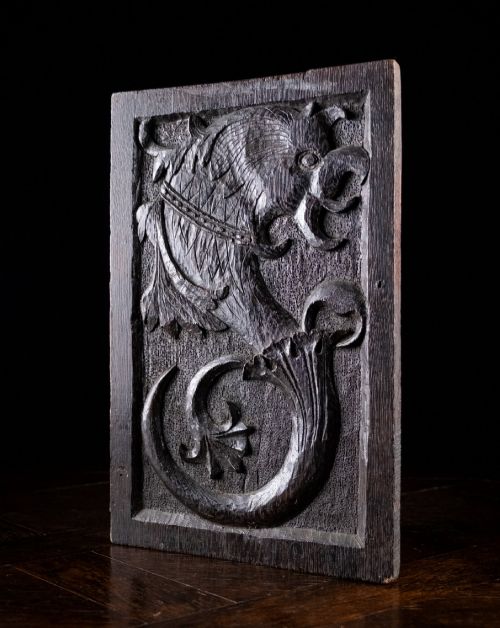
Keep an eye out for hidden dragon panels and mysterious horse head handles ready to watch over your hallway.
Distinctions in quality
Quality depends on the crispness and depth of the hand carving relative to the period of the piece. Crisp, well-defined motifs like scrolling foliage or figurative elements indicate a higher standard of workmanship.
The integrity of the timber and the honesty of the construction dictate the standing of an item. Pieces that retain their original structural timber without excessive modern replacement parts command greater regard from collectors.
Jack Grimble
The Hand Carved Oak Glossary
- Joint stool
- A sturdy wooden stool constructed with mortise and tenon joints rather than turned legs inserted into a seat. These sturdy seats served various domestic purposes in early households.
- Newel post
- The principal post at the foot of a staircase, or the central support for a winding stair. Carved examples often feature detailed finials or relief work.
- Bible box
- A small wooden chest with a sloping lid, used historically to store family Bibles and important documents. They frequently feature carved decoration on the front panel and fall-front lid.
- Apotropaic mark
- A symbolic carving intended to ward off evil spirits and protect the home. Taper burns and Marian marks are common examples found on early timber.
- Mangle board
- A carved wooden board used historically in Scandinavia for smoothing linen by rolling it around a cylinder. They often terminate in sculpted horse head handles.
Hand Carved Oak: Frequently Asked Questions
How do I date hand carved oak?
Dating relies on examining the construction methods, tool marks, and style of the carving. Early pieces often show irregular hand-sawn surfaces and pegged joints.
Later revival pieces from the nineteenth and twentieth centuries may incorporate machine-sawn elements or softer secondary woods alongside the oak.
What is an apotropaic mark?
Apotropaic marks are ritualistic symbols carved into timber to protect the household from malevolent forces. You might find taper burns or symbolic initials on beams and panels.
These marks reflect the beliefs of the occupants who lived with the timber centuries ago.
How should I care for oak furniture?
Keep solid oak away from direct heat sources and sudden humidity changes to prevent the timber from splitting. Apply a suitable wax polish occasionally to nourish the surface.
Avoid modern liquid silicone sprays that can build up and dull the natural grain of the wood.
Are architectural fragments genuine?
Architectural salvage pieces such as panels, beam ends, and door frames are often removed from older buildings during renovations. Examine the back and fixing points to understand how the timber was originally integrated.
Some items incorporate older panels into later furniture assemblies, which is a traditional practice in cabinet making.