



Hand Carved Jewellery
Hand carved jewellery brings together intricate forms in jade, wood, and shell from the Georgian period through to the 1930s.
Hand Carved Jewellery
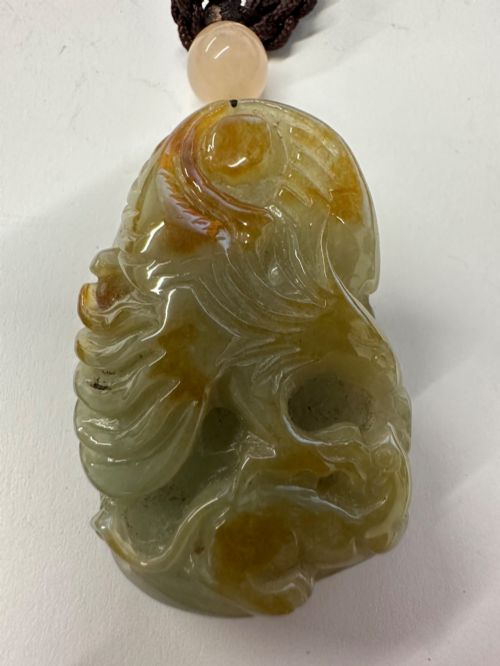
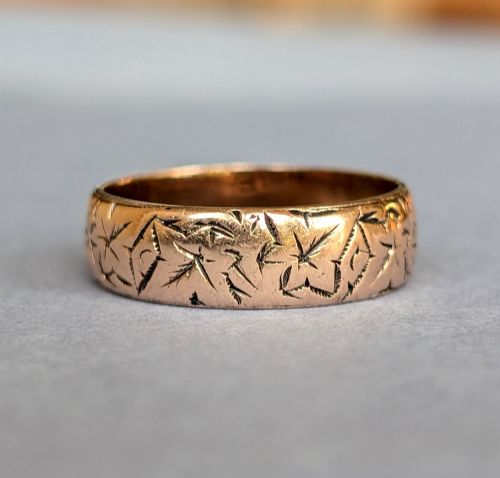
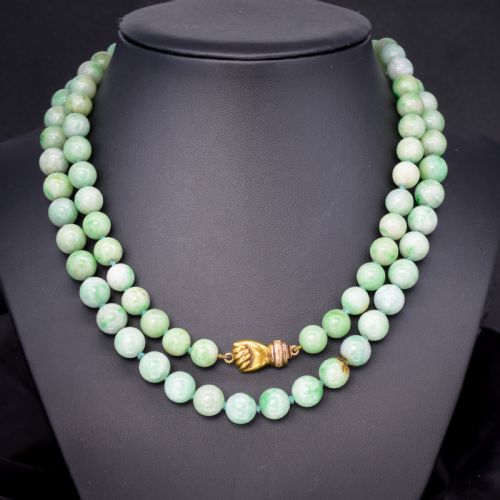
Hand carved jewellery encompasses pendants, necklaces, rings, bangles, and earrings worked directly from raw materials by skilled hands. The selection spans distinct cultural traditions, including Chinese Republic Period jade carvings, Anglo-Indian woodwork, and European shell cameos.
Buyers frequently encounter Asian jadeite and nephrite pendants depicting mythical creatures, alongside wooden boxes and caskets from Black Forest, Anglo-Indian, and Qajar workshops. Early nineteenth-century coral earrings and shell cameo brooches also appear within this range.
Materials and Working Methods
Carvers shaped organic and mineral substances using traditional hand tools, working jade, nephrite, and jadeite into pendants, bangles, and beads. Hardwoods such as sandalwood, walnut, and ebony were incised or relieved to form caskets and boxes with deep dimensional decoration.
Precious metals including gold and silver provided settings and mountings for stones, cameos, and coral elements. Artisans utilised techniques ranging from minute shell carving for brooches to intricate bone and wood incisions.
Hand Carved Jewellery Retail Price Guide 2026
Typical asking prices for hand carved jewellery among the pieces listed under this phrase on Sellingantiques today, from the lower quarter to the upper quarter. They describe what is for sale here now, not the wider market.
Some boxes serve dual purposes as military campaign chests, proving that British officers maintained tidy writing desks while commanding in the field.
Distinguishing Quality in Carvings
Execution and depth of detail determine the standing of each piece, distinguishing shallow surface incisions from deeply undercut, three-dimensional modelling. The natural clarity and tone of the stone or wood grain directly influence the visual impact of the carving.
The precision with which complex subjects like figures, dragons, or foliage are rendered reveals the carver's proficiency. Well-preserved mounts, intact clasps, and minimal wear to high relief areas further separate superior examples from standard items.
The Hand Carved Jewellery Glossary
- Jadeite
- A pyroxene mineral used for carved pendants and bangles, valued for its translucent quality and range of green, white, and russet tones.
- Nephrite
- An amphibole mineral that forms a tough, fibrous green or white stone frequently utilised in antique Chinese carvings.
- Cameo
- A method of carving an object such as a shell or stone so that the raised relief image contrasts in colour with the background layer.
- Black Forest
- A nineteenth-century European style of wood carving, typically executed in walnut, depicting naturalistic animals, foliage, and forest motifs.
- Republic Period
- A phase in Chinese history spanning the early twentieth century that produced distinctive decorative jade carvings and pendants.
Hand Carved Jewellery: Frequently Asked Questions
What periods do these pieces come from?
The selection spans from the Georgian era through the Victorian and Edwardian periods, extending into the 1920s and 1930s.
Items reflect specific regional craftsmanship of their respective decades, including Chinese Republic Period pieces and nineteenth-century Anglo-Indian boxes.
How do I care for antique carved jade?
Clean jade gently using a soft cloth and mild soapy water, avoiding harsh chemical cleaners and ultrasonic devices.
Store pieces individually to prevent scratching against other jewellery or metal mounts.
What is the difference between jadeite and nephrite?
Jadeite and nephrite are two distinct mineral species grouped under the term jade, differing in their crystal structure and chemical composition.
Nephrite is generally tougher due to its interlocking fibrous texture, while jadeite can display greater translucency and a wider range of bright colours.
How were wooden caskets decorated?
Wood carvers utilised relief work, incising, and piercing techniques on materials like sandalwood, walnut, and ebony.
Workshops in regions such as the Black Forest and South India applied these methods to create decorative jewellery boxes and sarcophagus-shaped caskets.