





Hand Carved Buddhas
Hand carved buddhas are sacred figures fashioned from wood, stone, jade, and marble that bring traditional artistry and spiritual presence into a room.
Hand Carved Buddhas
When you search for hand carved buddhas, you encounter a diverse selection of sculptures, religious statues, and pendants originating from various Asian traditions. The pieces span periods from pre-16th century dynasties to the 19th and early 20th centuries, reflecting centuries of religious devotion and artistic expression.
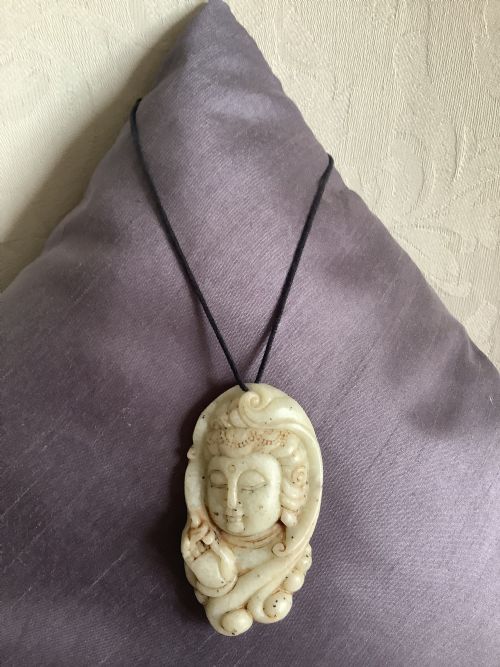
You are most likely to meet wooden or stone sculptures on this page, alongside smaller items like jade and bone pendants or soapstone desk seals. These forms range from large temple statues to intimate devotional objects carried or kept close.
The regional origins of these works are wonderfully varied, including Burmese Mandalay period temple pieces, Chinese Ming and Qing dynasty figures, Tibetan objects, and Sri Lankan or Indian examples. Each piece carries the distinct stylistic markers of its specific culture and era.
Materials and construction
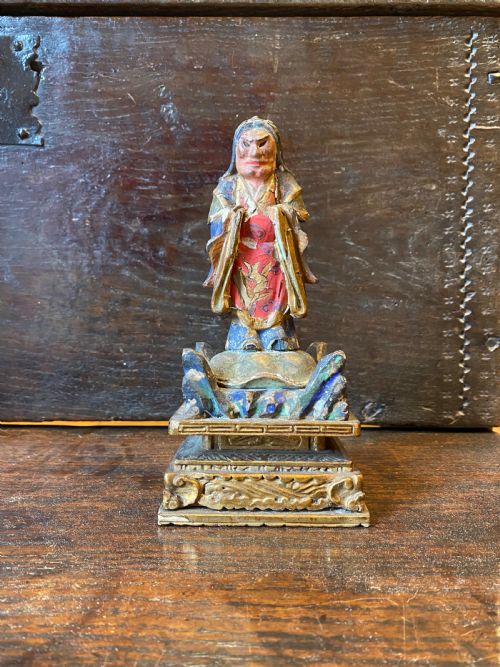
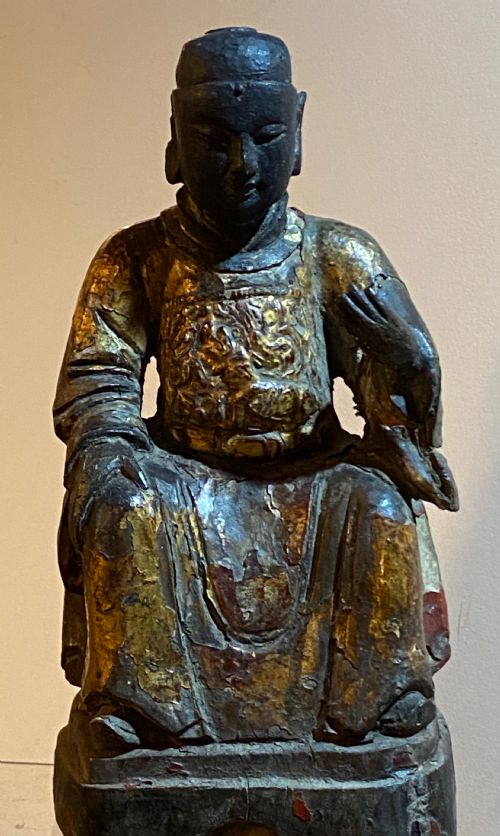
Makers shaped these figures from durable natural materials such as wood, stone, marble, and jade, employing meticulous hand-chiselling and polishing techniques. Some wooden examples retain traces of polychrome pigment or layers of gilded wood, enhancing their decorative surface texture.
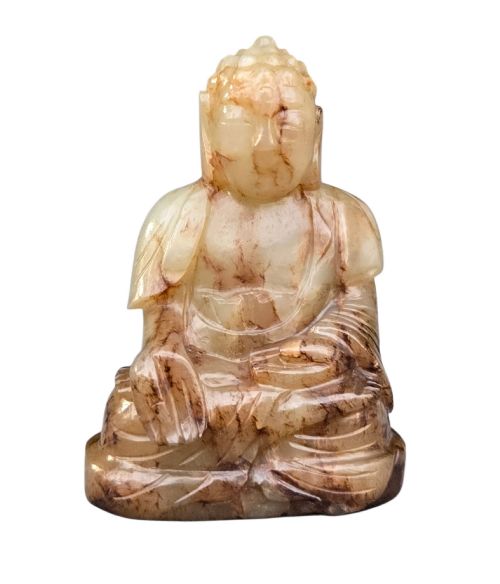
Working with hard materials like nephrite jade, soapstone, and alabaster required specialist skill to achieve smooth contours and detailed drapery on robes. Carvers also utilised bone for smaller pendants, working the organic material to develop a warm patina through handling.
Hand Carved Buddhas Retail Price Guide 2026
Typical asking prices for hand carved buddhas among the pieces listed under this phrase on Sellingantiques today, from the lower quarter to the upper quarter. They describe what is for sale here now, not the wider market.
Listings feature items spanning several centuries, ranging from pre-16th century Chinese Ming and Qing pieces to 19th-century Burmese, Indian, and Sri Lankan works.
Distinctions in quality
The refinement of the carving dictates much of the visual success in these figures, particularly in the symmetry of the face and the fluid drape of the robes. Finer works display crisp detail in the hands and hair curls, whereas simpler pieces show a more rustic execution.
Material selection also plays a significant role in the standing of a piece, with translucent jade and finely grained white marble representing the upper tier of sculptural ambition. Preservation of original surfaces, such as gilding, pigment, or a natural handling patina, adds considerably to the integrity of an object.
The Hand Carved Buddhas Glossary
- Mandalay Period
- A distinct era of Burmese art known for serene facial expressions and elaborate monastic robes. Statues from this period often utilise white marble.
- Polychrome pigment
- Colourful paint applied to the surface of wood or stone sculptures. Traces of these historic pigments survive in protected recesses.
- Nephrite
- A tough, dense variety of jade valued for its smooth texture and rich green or white tones. It requires patient abrasive cutting.
- Soapstone
- A soft, talc-schist stone favoured for intricate desk seals and small figures. Its softness permits deep, detailed carving.
- Patina
- The glossy sheen developed on bone, wood, or stone through age and frequent touch. It indicates a long history of human interaction.
Hand Carved Buddhas: Frequently Asked Questions
What materials are used in these figures?
Makers carved these figures from natural substances including wood, stone, marble, jade, nephrite, alabaster, soapstone, and bone.
Some wooden examples also feature applied gilded wood or remnants of polychrome pigment on their surfaces.
Are these items strictly large temple statues?
While many listings comprise substantial wooden or stone temple sculptures and standing figures, the category also includes smaller items.
You will find portable carved bone pendants, jade ornaments, and soapstone desk seals designed for personal use.
How should I care for a wooden buddha?
Keep wooden and polychrome figures away from direct sunlight and sudden humidity changes to protect the material and any remaining pigment.
Dust them gently with a soft, dry cloth without applying modern polishes or cleaning agents.
What distinguishes Ming and Qing dynasty pieces?
Chinese pieces from the Ming and Qing eras often showcase refined carving in jade or detailed execution on religious figures.
They demonstrate the traditional craftsmanship and iconographic styles associated with historic Chinese imperial periods.