







Hand Carved Bowl
A hand carved bowl brings tactile warmth to a room, holding centuries of domestic and ceremonial utility in turned wood and heavy stone.
Hand Carved Bowl
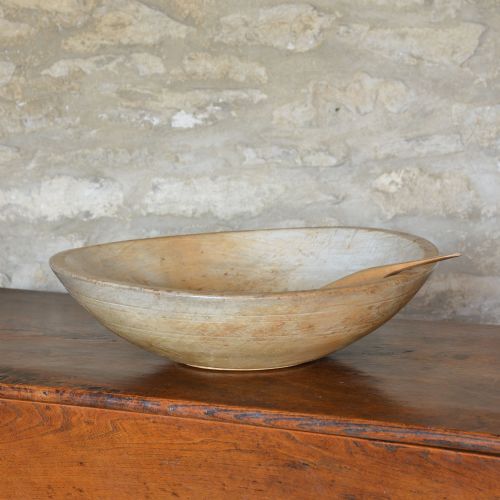
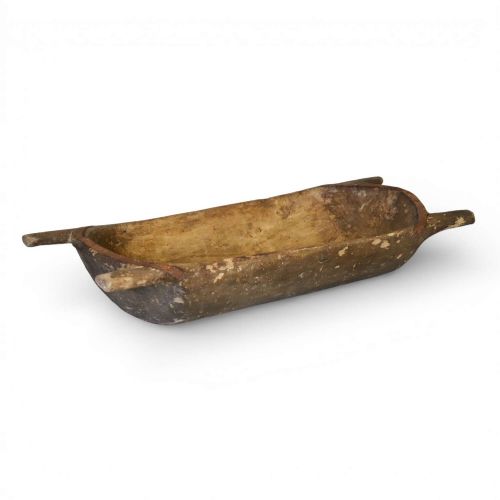
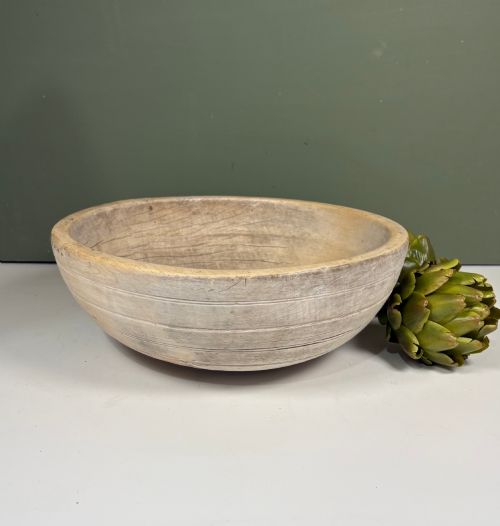
When you search for a hand carved bowl, you encounter domestic treen, kitchenware, and decorative vessels spanning multiple centuries. The selection ranges from nineteenth century sycamore dairy bowls and French kneading dough bowls to seventeenth century wooden trug fruit bowls.
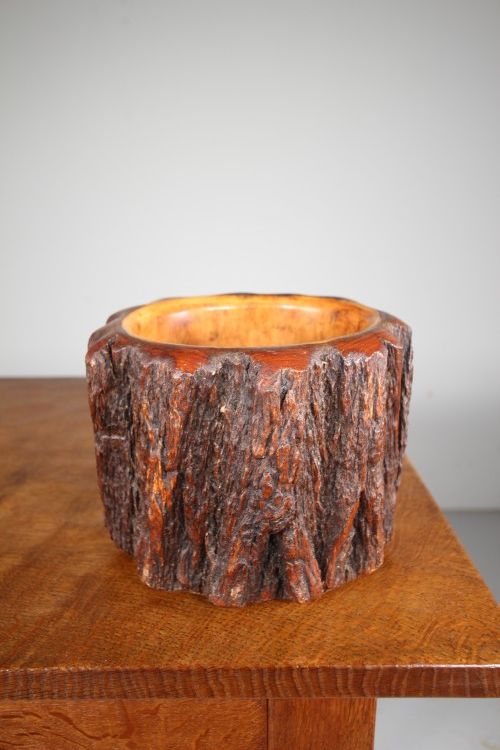
Regional vernacular traditions emerge strongly across the pieces, encompassing rustic European, Scandinavian, and country folk art styles. You will frequently find utilitarian forms such as mortars, platters, and centrepieces adapted for modern display.
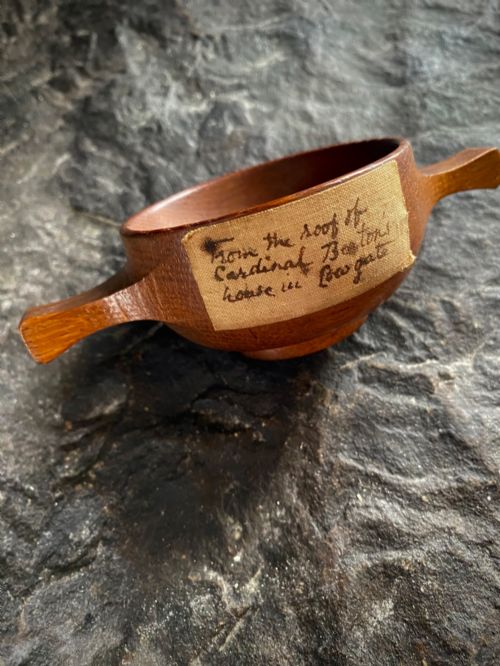
Asian and global traditions also appear, including Chinese stone puzzle cups, Indian Shisham wood platters, and Papua New Guinea hanging bowls. These sit alongside Welsh scoops and oak Liege vessels, demonstrating diverse regional carving methods.
Materials and methods
Makers shaped these objects primarily from hardwoods and softwoods such as sycamore, oak, olive wood, birch, elm, and shisham timber. Turning on a lathe or digging out solid logs formed the foundational bodies of these kitchenware pieces and treen vessels.
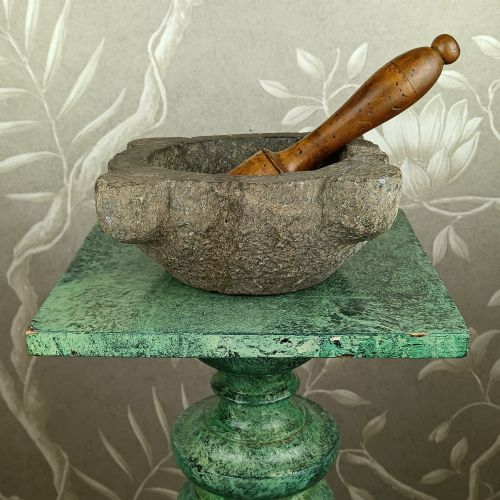
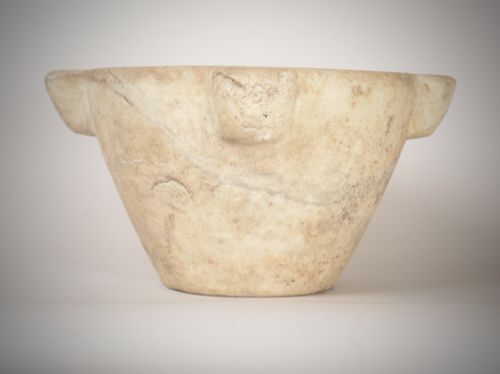
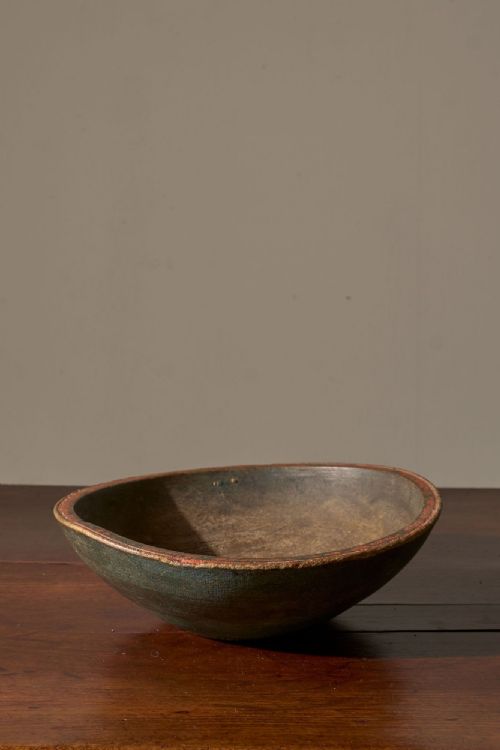
Alternative materials include heavy stone, marble, copper, porcelain, and paint, seen in items like eighteenth century Swedish painted bowls and large stone mortars. Artisans applied hand carved decoration such as fruiting vines to oak centrepieces or polished the wooden surfaces to enhance the grain.
Hand Carved Bowl Retail Price Guide 2026
Typical asking prices for hand carved bowl among the pieces listed under this phrase on Sellingantiques today, from the lower quarter to the upper quarter. They describe what is for sale here now, not the wider market.
One seventeenth century wooden trug fruit bowl predates the widespread use of modern cutlery, having witnessed centuries of changing kitchens.
Judging the work
The distinction between ordinary utility and superior quality lies in the depth of the patina and the harmony of the tool marks left by the maker. Depth of finish and honesty of wear determine how gracefully a piece has aged through centuries of handling.
Balance and proportion separate simple turned items from ambitious sculptural forms like ceremonial vessels or detailed fruit bowls. The integrity of the original material, whether dense sycamore or carved stone, dictates the enduring presence of the object.
The Hand Carved Bowl Glossary
- Treen
- Small handmade wooden objects for domestic use. This category includes bowls, spoons, and scoops fashioned by country artisans.
- Liege bowl
- A traditional type of heavy wooden vessel often carved from oak. These pieces typically display robust regional craftsmanship and deep utility.
- Dairy bowl
- A wide, shallow wooden vessel historically utilised for settling milk and skimming cream. Sycamore was the preferred wood for its clean, taint-free qualities.
- Dough bowl
- A large trough-like wooden vessel used in farmhouses for kneading bread. French examples often show heavy wear and rich patination from daily use.
- Patina
- The surface sheen and colour developed through years of handling, polishing, and natural oxidation. It serves as a visual record of age and use.
Hand Carved Bowl: Frequently Asked Questions
How were old wooden bowls used?
Wooden bowls served foundational roles in historical domestic life, acting as dairy vessels for skimming cream, kneading dough in farmhouses, or holding fruit at the table.
Larger specimens functioned as central kitchenware or communal serving platters before modern ceramics and metalware became widespread.
What woods should I look for?
Sycamore is particularly prominent among British and European treen, prized historically for its pale, tight grain that resisted absorbing dairy fats.
Other robust timbers appear regularly, including oak, elm, birch, and exotic hardwoods like Shisham and olive wood.
How do I care for antique treen?
Keep antique wooden vessels away from direct sunlight, central heating radiators, and extreme changes in humidity to prevent the timber from splitting.
Feed dry surfaces occasionally with a neutral, food-safe wax or oil to maintain the richness of the historical patina.
Are stone mortars older than wooden bowls?
Stone mortars and pestles often survive from earlier centuries, such as the seventeenth century, due to the sheer durability of granite, marble, and hard stone.
While wood is subject to rot and heavy wear, stone utility items remained in continuous heavy kitchen use across multiple generations.
What is folk art treen?
Folk art treen encompasses vernacular items carved by rural craftspeople outside mainstream academic traditions, often displaying charming regional eccentricities.
These pieces include hand-painted Swedish bowls, puzzle cups, and hanging vessels that reflect local cultural motifs and domestic resourcefulness.