





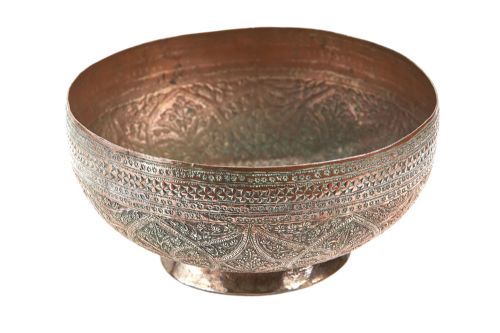
Hammered Metalware
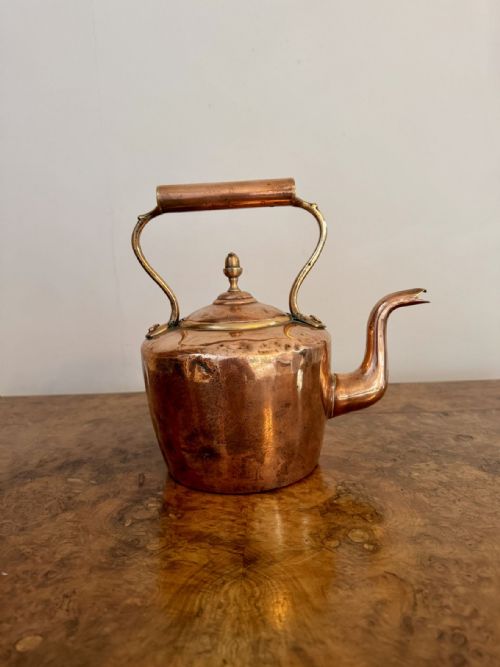
Hammered metalware encompasses decorative bowls, kettles and vases shaped by hand from copper, pewter and brass across several centuries.
Hammered Metalware
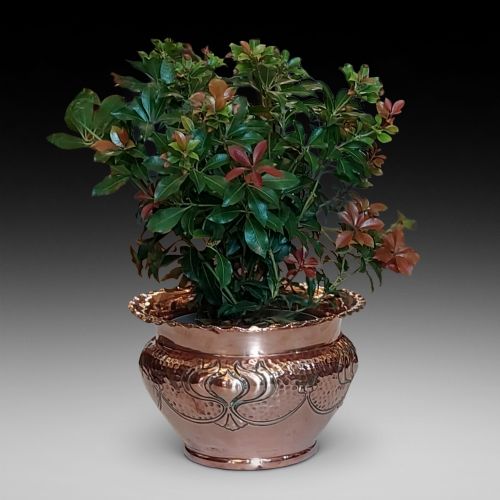
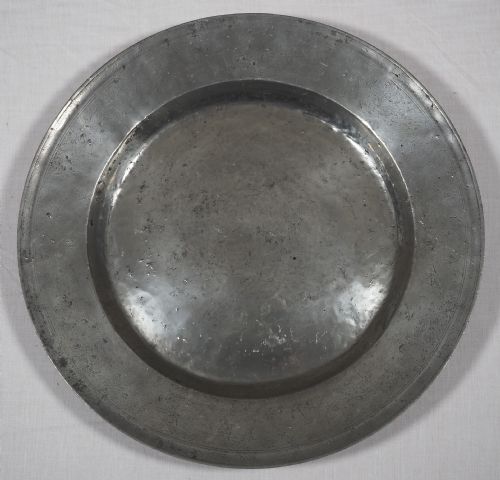
When you search for hammered metalware, you encounter vessels and trays shaped by hand from copper, pewter, brass and chrome across various periods including the Victorian era, Edwardian period and the twentieth century. These objects range from seventeenth-century chargers to Art Deco tea sets and Arts and Crafts planters.
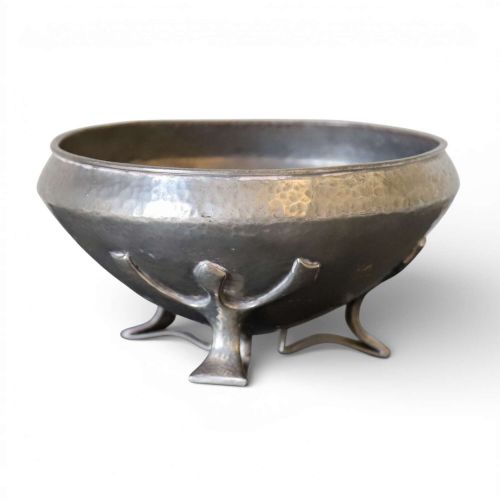
The most common examples on this page stem from the Arts and Crafts and Art Nouveau movements of the early twentieth century. Makers worked copper and pewter into chargers, vases and bowls with distinct surface textures and organic motifs.
Materials and construction
Workers shaped these pieces from sheet metals such as copper, pewter, brass and chrome using hammers to raise the metal from flat sheets into hollow forms. This process leaves visible tool marks across the surface, which define the texture of the finished object.
Makers integrated materials like ebonised wood for insulation on kettle handles or applied enamel accents to decorative trays and bowls. Artisans also utilised incised decoration and floral relief work to embellish the metallic surfaces.
Hammered Metalware Retail Price Guide 2026
Typical asking prices for hammered metalware among the pieces listed under this phrase on Sellingantiques today, from the lower quarter to the upper quarter. They describe what is for sale here now, not the wider market.
Listings feature items spanning from the seventeenth century through the Victorian and Edwardian periods into Art Deco designs.
Evaluating quality and execution
Quality rests on the control and rhythm of the hammer marks across the surface, distinguishing purposeful craftsmanship from mechanical imitation. Stronger examples display a harmonious relationship between the form of the vessel and the texture of the metal.
The weight of the metal and the integrity of construction, such as joined seams and riveted handles, separate standard production pieces from finer studio output. Well-defined floral relief and crisp incised lines indicate greater skill in the execution.
Liberty & Co·Oliver Baker·Keswick Arts and Crafts·Armada Pewter·Beldray Ltd
The Hammered Metalware Glossary
- Charger
- A large ornamental or serving plate, often displayed on a wall or sideboard. Seventeenth-century examples feature incised rims and all-over hammered textures.
- Planter
- A vessel designed to hold potted plants, frequently produced in copper during the Edwardian period with riveted seams and bracket feet.
- Chalice
- A stemmed sacramental cup or goblet, sometimes rendered in pewter during the Celtic Revival with interlaced decorative motifs.
- Tudric
- A brand of pewter alloy utilised by Liberty & Co during the Arts and Crafts movement, often associated with designers such as Oliver Baker.
- Repoussé
- A metalworking technique where the artisan pushes the metal out from the reverse side to form a raised design on the front.
Hammered Metalware: Frequently Asked Questions
How do I clean hammered copper?
Copper requires gentle washing with warm soapy water and thorough drying to preserve the surface. Avoid harsh abrasive cleaners that remove the natural aged patina developed over decades.
For pieces with applied lacquer or protective coatings, use only a soft damp cloth. Excessive polishing can soften the crispness of the original hammer marks.
Are pewter pieces safe for food?
Older pewter items, particularly those from earlier centuries, often contained lead and serve purely decorative purposes rather than culinary use. Modern twentieth-century compositions are generally more stable, though display remains their primary function.
Examine the interior of bowls and jugs for corrosion or pitting before considering any contact with moisture or consumables. Dry storage ensures the metal remains stable over time.
How do I date Arts and Crafts metalwork?
Stylistic indicators such as Celtic Revival motifs, stylized floral relief and specific guild stamps help place pieces around the nineteen hundreds. Construction methods, including hand-beaten surfaces and exposed rivet heads, point toward this manual production era.
Comparing maker marks and model numbers against known factory records provides further chronological context. Variations in font styles on stamps often narrow down the decade of manufacture.
Where should I display these pieces?
These metallic vessels suit spaces with natural light that reflects off the hammered copper and polished brass surfaces. Placing chargers on plate stands or positioning jardinieres on wooden sideboards highlights their tactile qualities.
Keep items away from direct heat sources and damp environments to protect both the metal and any integrated wooden components. Grouping pieces by material creates a coherent display on open shelving.