




Hallway Wall Lights
These hallway wall lights bring brass, copper, and glass to narrow entranceways, offering practical illumination and period character.
Hallway Wall Lights
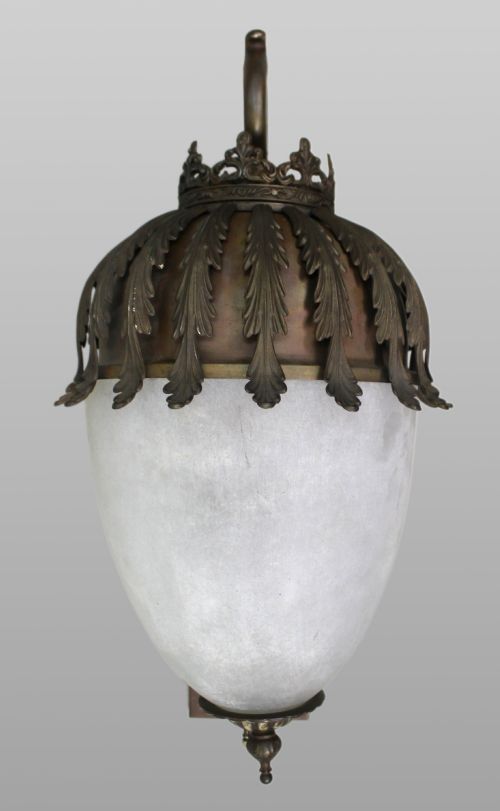
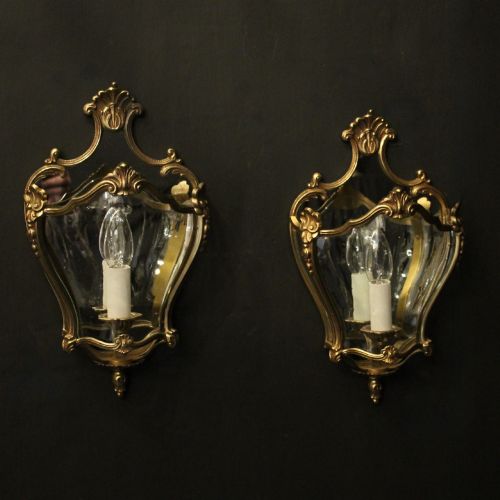
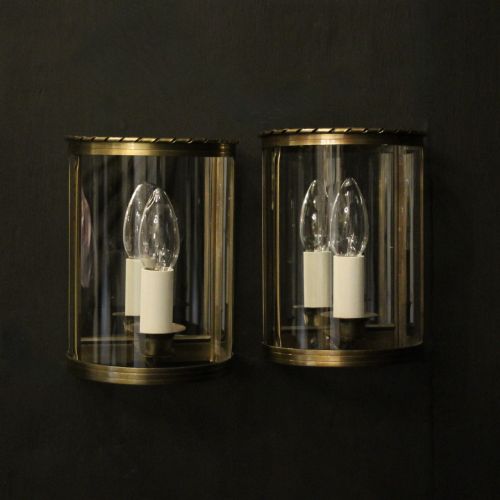
Buyers will encounter pieces spanning the nineteenth and twentieth centuries, featuring distinct regional designs such as French half lanterns and English copper lanterns. These items serve the functional purpose of brightening hallways while establishing a historical aesthetic.
The assortment also integrates related architectural elements like framed mirrors and console tables that complement the primary wall illumination. Such pieces work in tandem to furnish transitional spaces within a home.
Materials and Construction
Construction relies heavily on metals such as brass, copper, iron, and gilded bronze, often combined with clear, frosted, or painted glass panels. These materials ensure structural longevity for fixtures hung in high-traffic entryways and porches.
Hallway Wall Lights Retail Price Guide 2026
Typical asking prices for hallway wall lights among the pieces listed under this phrase on Sellingantiques today, from the lower quarter to the upper quarter. They describe what is for sale here now, not the wider market.
The inventory spans the nineteenth and twentieth centuries, utilising brass, copper, oak, maple, and glass across various lantern and mirror forms.
Assessing Quality
Quality rests in the precision of the metalwork, the weight of the bronze or brass components, and the integrity of the glass elements. Heavier frames and robust lantern casings indicate superior craftsmanship and material selection.
Provenance and stylistic purity elevate certain fixtures, such as brass wall lanterns sourced from notable London establishments. The refinement of decorative details, from toleware finishes to carved wood frames, distinguishes standard items from exceptional examples.
The Hallway Wall Lights Glossary
- Half lantern
- A wall-mounted lighting fixture flattened on one side to sit flush against a wall. This design suits narrow hallways and limited entrance spaces.
- Toleware
- Painted or lacquered metalware popular in decorative items. It provides a durable coloured finish on lantern bodies.
- Carriage style
- A lighting design inspired by the lanterns once mounted on horse-drawn carriages. These pieces typically feature elongated glass panes and robust metal frames.
- Gilded bronze
- Bronze metal coated with a thin layer of gold. This material offers a lustrous finish seen on decorative French light fittings.
- Console table
- A narrow table designed to stand flat against a wall. These are frequently paired with hallway wall lights and mirrors in entranceways.
Hallway Wall Lights: Frequently Asked Questions
How do I choose the right size wall light for my hallway?
Consider the width and ceiling height of your corridor when selecting fixtures. Proportion ensures the lighting complements the space without obstructing movement.
Larger lanterns suit tall entrance halls, while half lanterns sit comfortably in narrower passages.
Where were these hallway wall lights typically placed?
These fixtures were historically positioned near entrance doors, along corridors, or beside hallway mirrors. Their primary role was to provide safe passage in transitional areas.
Many designs originated as exterior porch lanterns or interior corridor sconces.
How do I identify an Edwardian wall light?
Edwardian lighting often combines brass and copper materials with simpler, lighter lines than preceding Victorian designs. These pieces reflect the shift toward brighter, airier domestic interiors.
Date attribution relies on stylistic traits recorded across surviving examples from that era.
Can I mix different metal finishes in a hallway?
Mixing brass, copper, and iron creates a layered interior if the periods share a similar aesthetic. Arts and Crafts and late nineteenth-century pieces often complement one another.
Matching the scale of the lanterns matters more than maintaining a single metal finish.