





Hallway Storage Settle
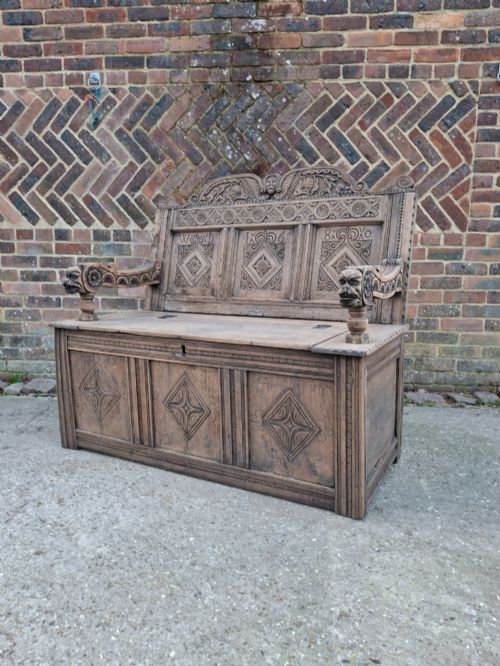
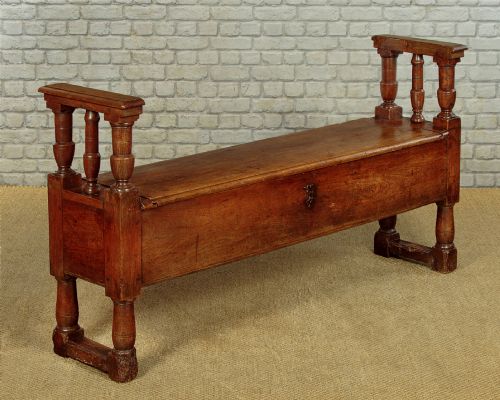
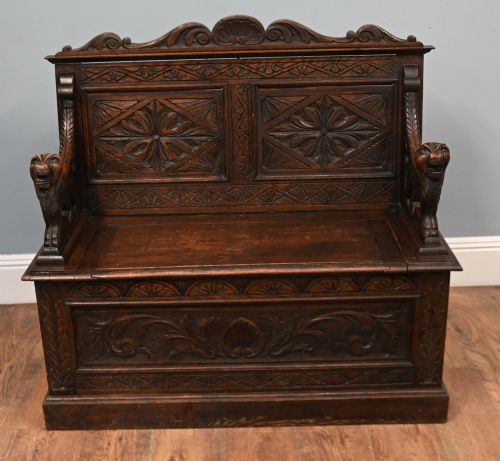
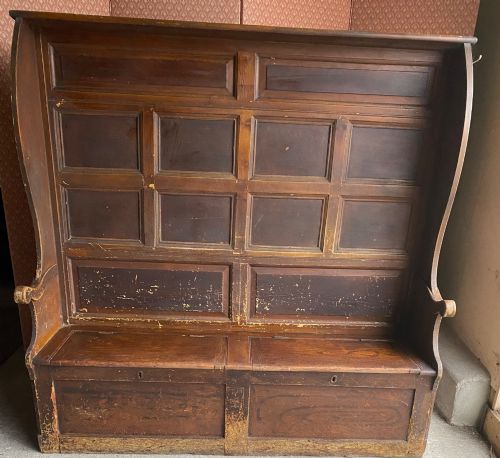
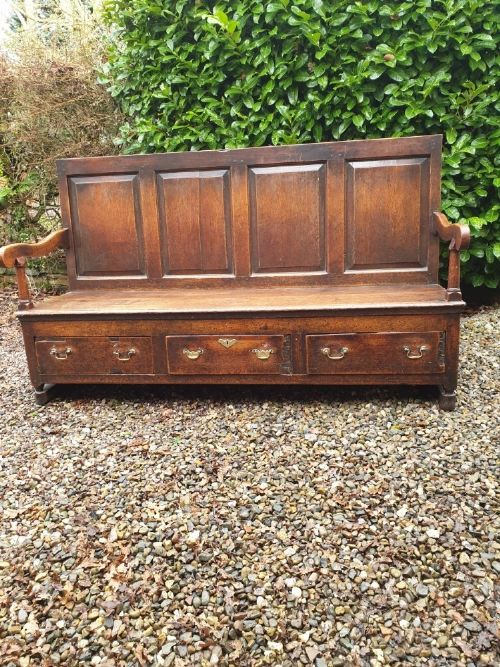
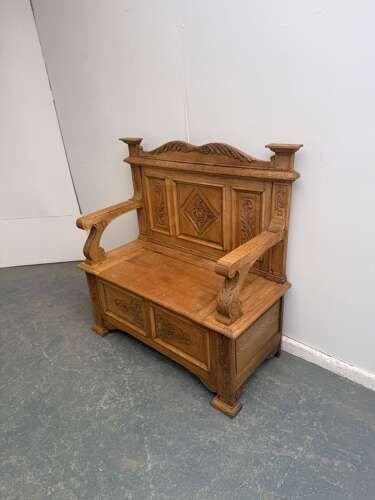
A hallway storage settle is a substantial seat with a hidden compartment below, offering both a place to pull off boots and a tidy interior for cloaks.
Hallway Storage Settle
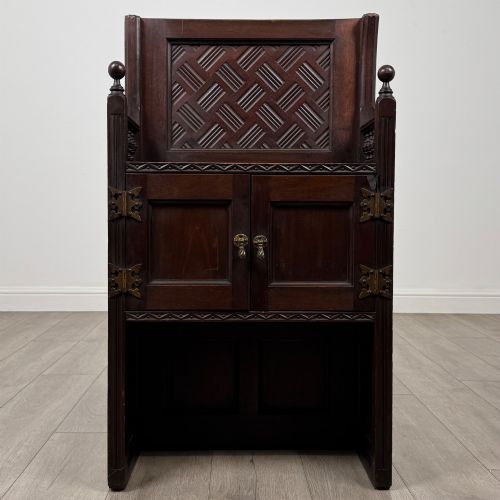
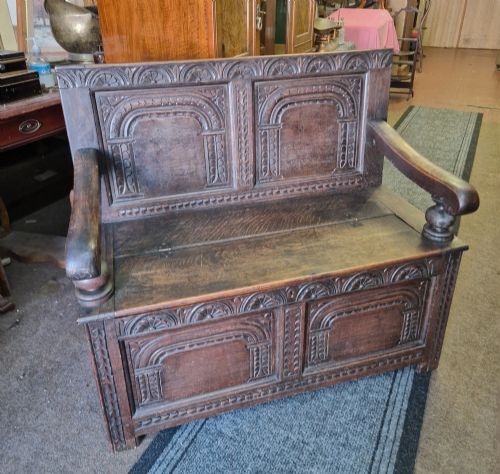
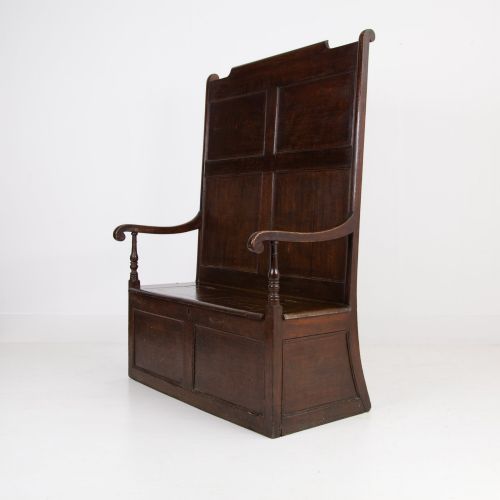
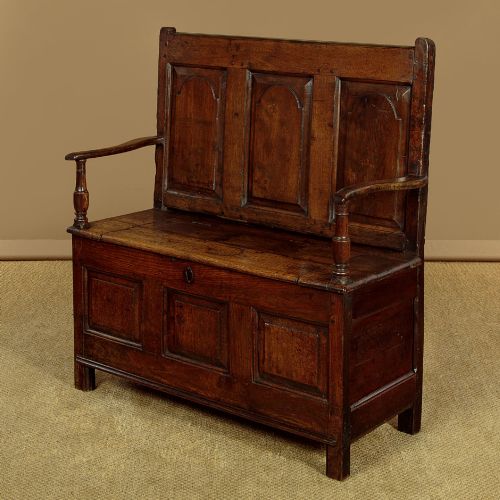
When you search for a hallway storage settle, you encounter robust wooden seats designed to handle the coming and going of a busy entrance. These pieces function simultaneously as a bench and a chest, placing them at the heart of domestic life since earlier centuries.
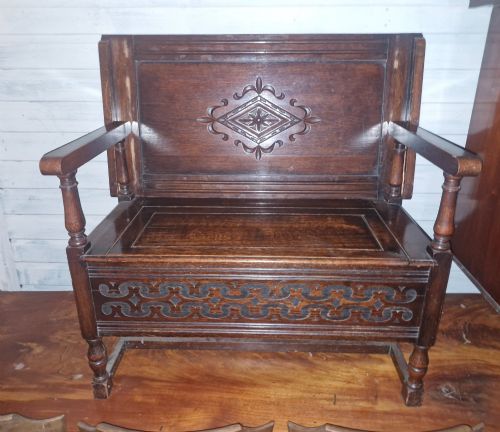
The selections span from 17th Century and 18th Century oak country pieces to Victorian pine variants and Edwardian examples. You find forms ranging from high-back box settles to clever monks benches with fold-over tops.
Origins stretch from British regional workshops, including Welsh and Scottish examples, to continental pieces like Hungarian pine benches and Indian carved hardwood storage items. Regional variations dictate whether the woodwork is plain timber or finished with paint.
Materials and Construction
Solid timber forms the foundation of these benches, with oak and pine appearing most frequently across the collection. Craftsmen also utilised elm, mahogany, and exotic hardwoods for specific regional or later pieces.
Joinery techniques relied on sturdy panel construction to support the weight of occupants and the stress of a hinged lid or fold-over top. Iron and brass hardware, such as hinges and catches, secure the storage compartments.
Surface treatments vary from natural wax finishes that highlight the grain of the wood to historic painted layers in grey, blue, black, and cream. Carving, inlay, and leatherette upholstery appear on specific Edwardian and Victorian iterations.
Hallway Storage Settle Retail Price Guide 2026
Typical asking prices for hallway storage settle among the pieces listed under this phrase on Sellingantiques today, from the lower quarter to the upper quarter. They describe what is for sale here now, not the wider market.
Listings feature oak, pine, mahogany, and elm across periods spanning the 17th Century to the 1920s, with painted and waxed finishes.
Factors of Quality
The integrity of the original timber and the retention of historic surfaces dictate the standing of a piece. Examples that retain their authentic painted finishes or deep, waxed patina command greater interest than those stripped down or heavily restored.
Proportion and scale play a crucial role, as smaller hall seats and box settles demand tighter proportions than massive farmhouse benches. The crispness of carved details, such as Jacobean Revival motifs or Art Nouveau inlays, separates standard utility items from finer works.
The Hallway Storage Settle Glossary
- Settle
- A wooden bench with a high back, solid arms, and a box seat for storage. It historically sat near the hearth or in the entrance hall to block drafts.
- Monks bench
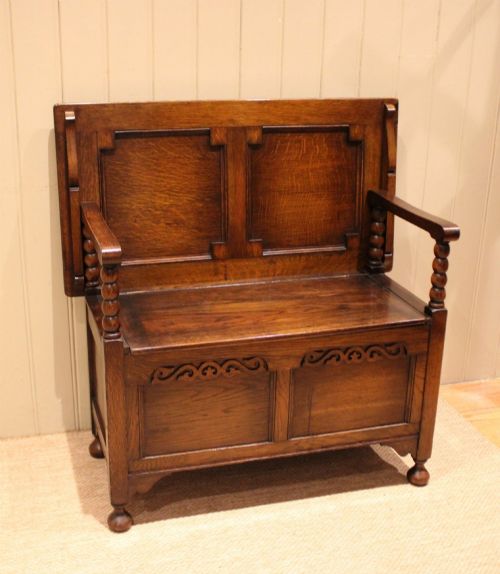
- A convertible piece of furniture featuring a hinged back that folds down over the arms to form a table top. This dual-purpose design is common in oak from the early twentieth century.
- Box settle
- A variant featuring a hinged seat lid that opens to reveal a deep compartment underneath. It serves as functional storage for boots, textiles, and household goods.
- Vernacular
- Furniture made by local craftsmen using regional materials and traditional methods, rather than following strict high-style metropolitan designs. These pieces often display charming regional quirks.
- Wax finish
- A traditional protective coating applied to timber and buffed to a soft sheen. It nourishes the wood without creating the glossy barrier associated with modern varnish.
Hallway Storage Settle: Frequently Asked Questions
What is a hallway storage settle?
A hallway storage settle is a wooden bench featuring a compartment beneath the seat for keeping shoes, blankets, or accessories out of sight. They combine seating with practical containment.
Historically placed in entryways and hallways, these pieces provided a convenient spot to sit while welcoming visitors or removing outdoor garments.
How do I date an antique settle?
Dating relies on examining the timber species, construction methods, and decorative styles present on the piece. Oak is more common in earlier centuries, while pine and mahogany appear frequently in Victorian and Edwardian examples.
Tool marks, hinge types, and the presence of historic paint or wax finishes provide further clues to the manufacturing period.
What is a monks bench?
A monks bench is a versatile form of settle where the high wooden back folds forward onto the arms to create a flat table surface. This allowed a single item to function as both a seat and a table.
Most examples found today date from the Edwardian period or the early twentieth century, often rendered in dark oak with carved details.
Are painted pine settles authentic?
Yes, many 19th-century pine settles, particularly those originating from Hungary or rural Britain, were painted originally. Blue, grey, black, and cream finishes appear frequently.
Evaluating the surface involves looking for natural wear, craquelure, and consistency in the paint layers that indicate age and originality.