



Hallway Stool Bench
These hallway stool bench selections offer practical long seating in timber and upholstery, bringing period character directly to narrow entrances.
Hallway Stool Bench
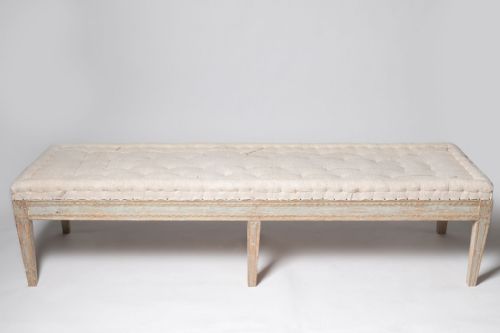
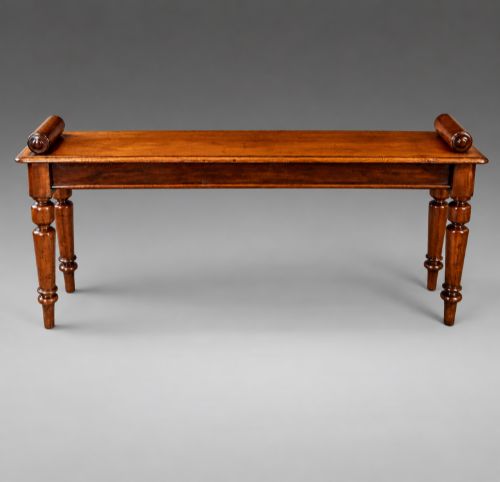
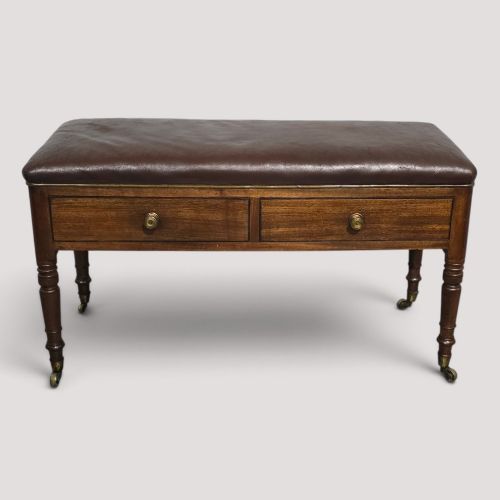
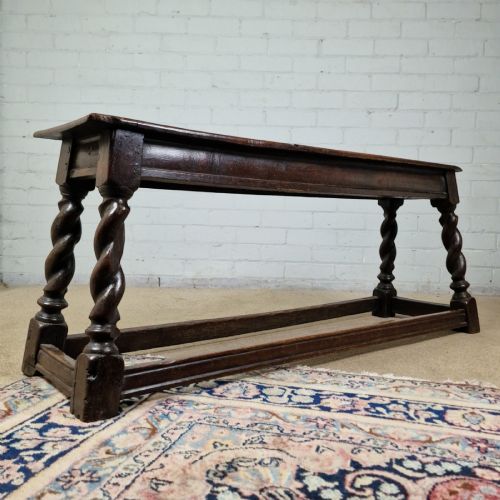
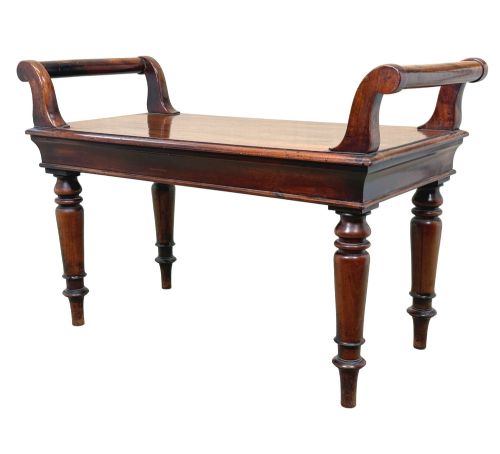
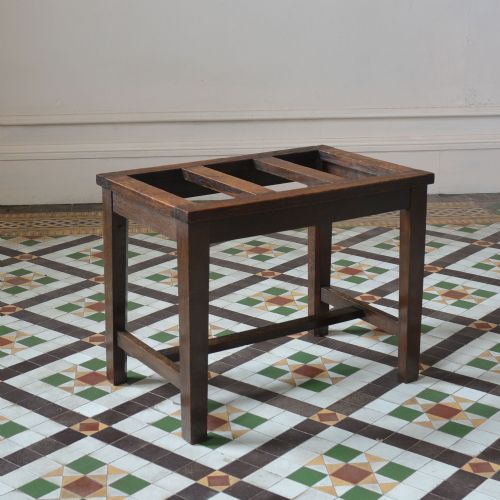
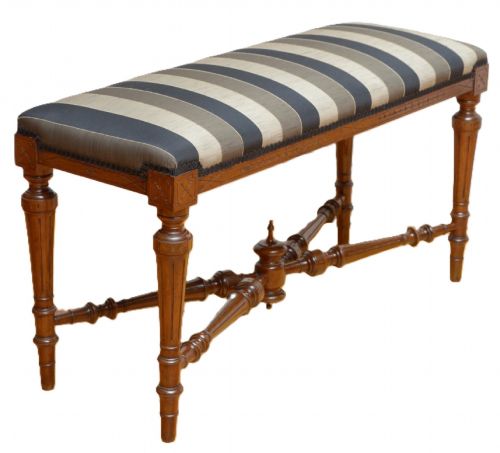
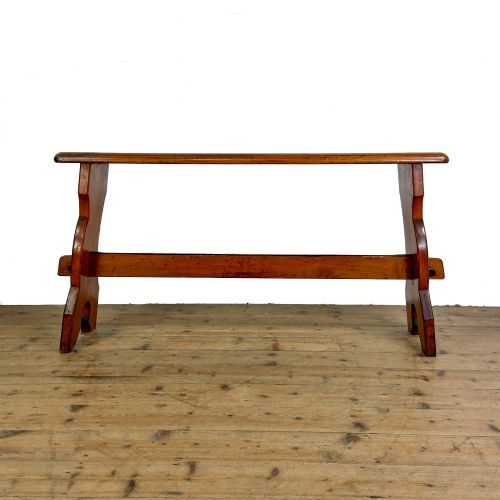
A hallway stool bench serves as compact, long seating for entryways and narrow spaces, drawing on forms such as window seats, luggage racks, and duet stools. These designs appear across periods from the eighteenth century through the Edwardian era, utilising sturdy timber frames.
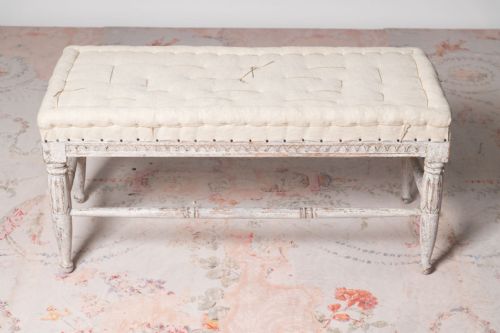
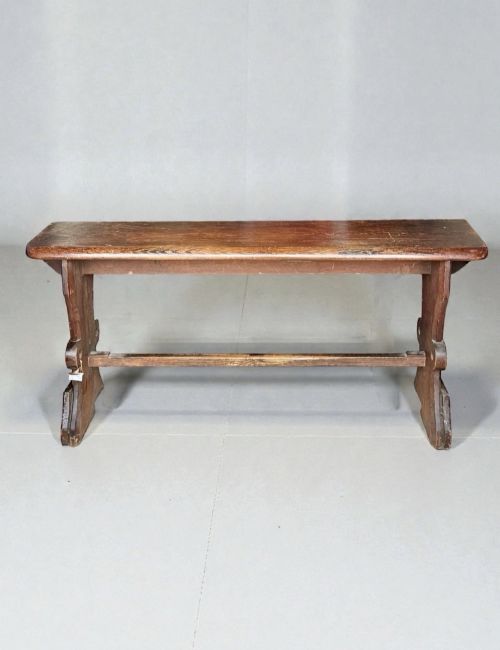
The materials and styles span mahogany, oak, and walnut, alongside Swedish Gustavian painted finishes and French classical influences. Pieces range from simple organ benches and church pews to carved walnut window seats fitted with fluted or Georgian legs.
What varies in quality
The refinement of the timber carving and the integrity of the frame construction determine the standing of each piece. Maker attribution, such as work associated with Gillows or James Shoolbred, elevates the desirability of a bench.
The choice of upholstery materials and the fidelity of period restoration also distinguish fine examples from simpler utilitarian seating like organ benches.
Hallway Stool Bench Retail Price Guide 2026
Typical asking prices for hallway stool bench among the pieces listed under this phrase on Sellingantiques today, from the lower quarter to the upper quarter. They describe what is for sale here now, not the wider market.
Listings feature traditional timber frames in mahogany, oak, walnut, and pine, paired with textiles including velvet, linen, and ticking.
James Shoolbred·Gillows
The Hallway Stool Bench Glossary
- Window seat
- A long stool designed to sit in a recessed bay window, often featuring arms at either end. These forms translate well to narrow entranceways.
- Duet stool
- An elongated seat originally intended for two people playing a piano together. They provide ample length for hallway use.
- Luggage rack
- A low bench featuring a slatted top or open frame designed to hold bags. Edwardian examples utilise oak and mahogany.
- Gustavian
- A Swedish neoclassical style characterised by pale painted finishes and restrained carved detail. It brings a light aesthetic to wooden seating.
- Caning
- Woven rattan material stretched across wooden frames for seats or panels. It offers a lightweight, breathable surface texture.
Hallway Stool Bench: Frequently Asked Questions
Where do I put a hallway stool bench?
These long seats fit naturally into narrow corridors, entrance halls, or at the foot of a bedroom bed. Their shallow depth allows them to provide seating without blocking walkways.
Choose a length that matches the available wall space, leaving clearance at both ends for comfortable passage.
How do I clean upholstered long stools?
Maintenance depends entirely on the specific fabric covering the seat, whether it is velvet, linen, or ticking. Regular gentle vacuuming removes surface dust from the textile.
Spot clean marks according to the fabric type, taking care not to dampen the underlying padding or wooden frame.
Can I use a piano stool in a hallway?
Piano stools and duet stools make excellent hallway seating due to their compact height and elongated proportions. Many include upholstered tops suitable for daily use.
Ensure the timber frame matches the other furniture in your entrance space for a cohesive look.
What is the difference between an 18th and 19th-century bench?
Eighteenth-century examples often display restrained Georgian proportions and hand-carved details in mahogany or oak. Nineteenth-century variants introduce broader stylistic revivals, including Jacobean and French classical influences.
Examining the joinery and timber grain helps distinguish the earlier handmade pieces from later production.