

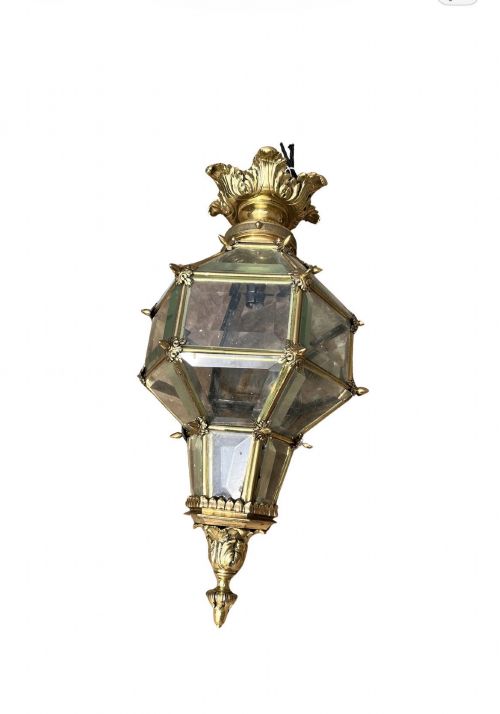
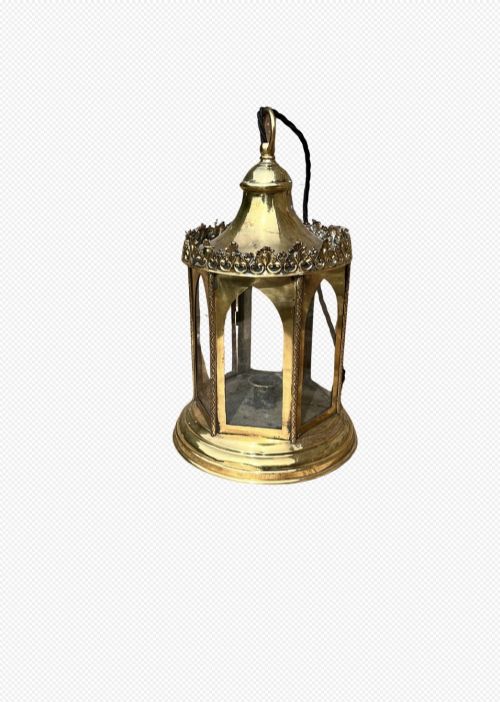
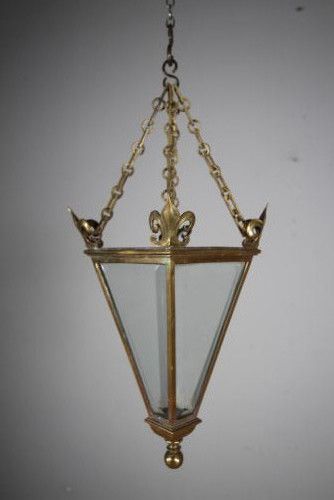
Hallway Pendant Ceiling Light
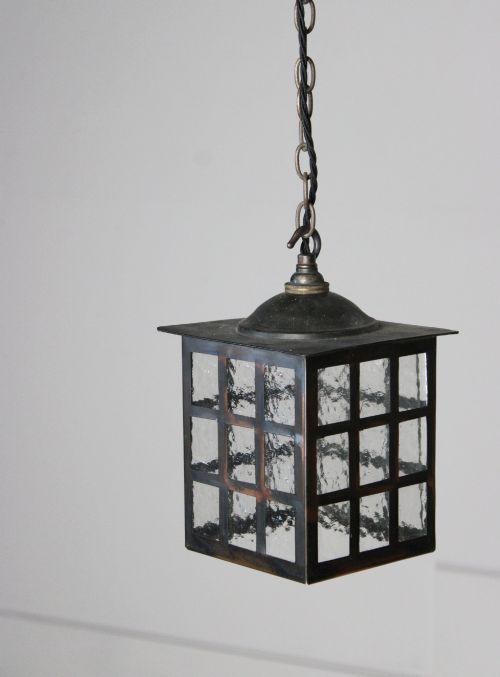
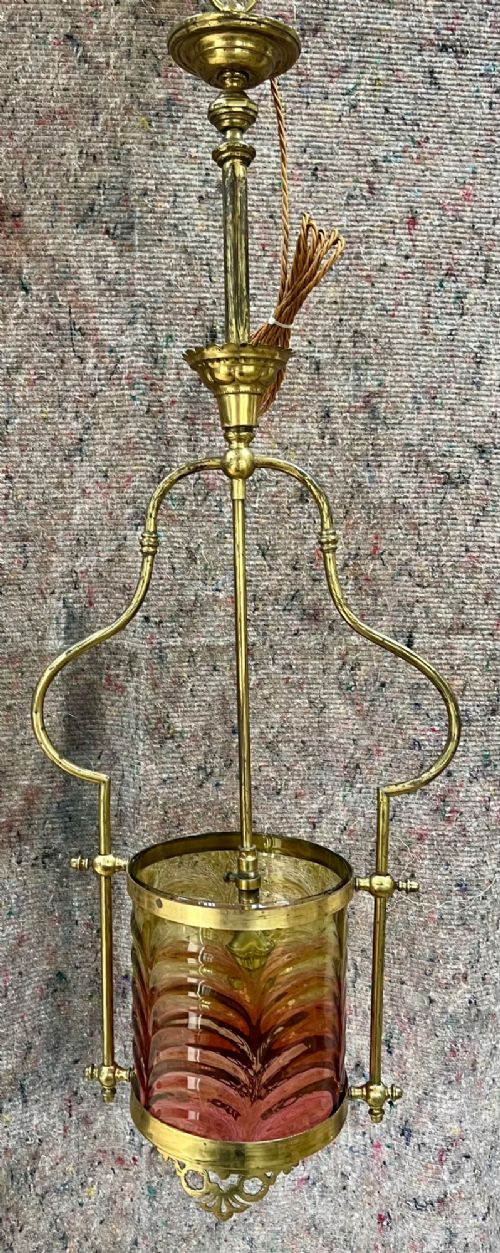
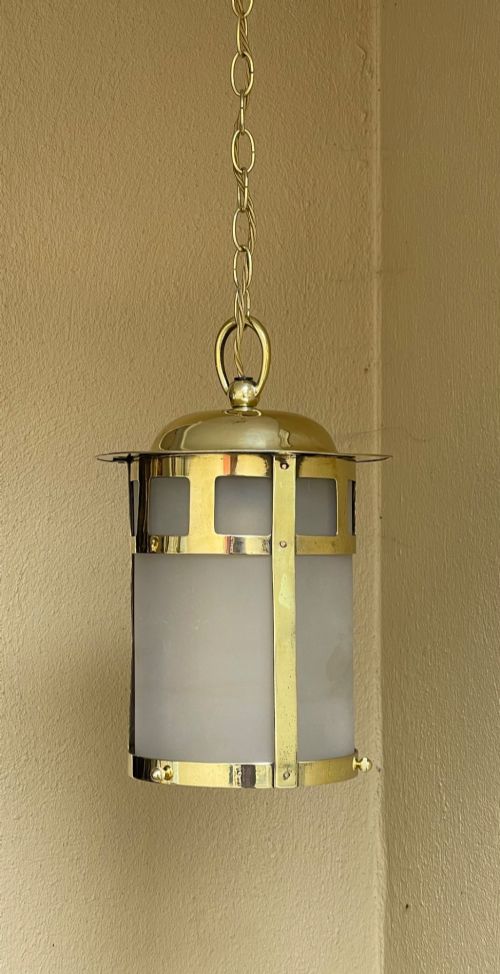
A hallway pendant ceiling light greets visitors with period character, casting an inviting glow through glass and brass before they step further into the home.
Hallway Pendant Ceiling Light
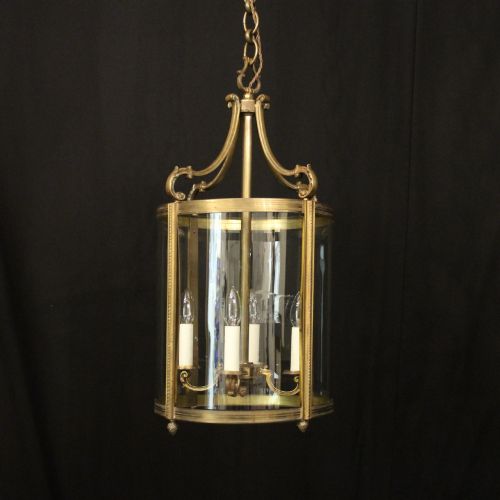
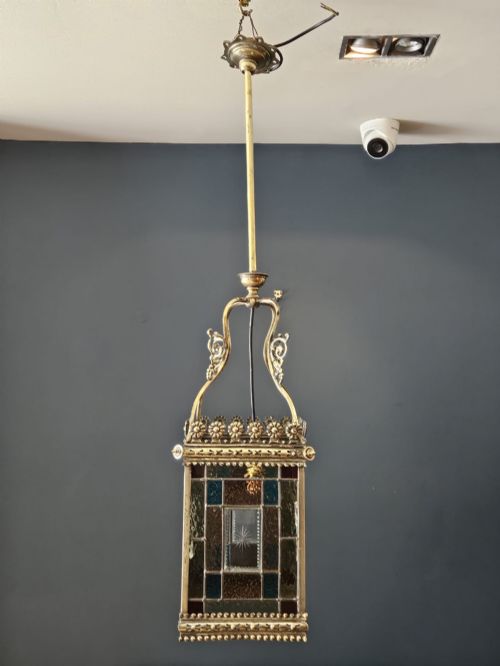
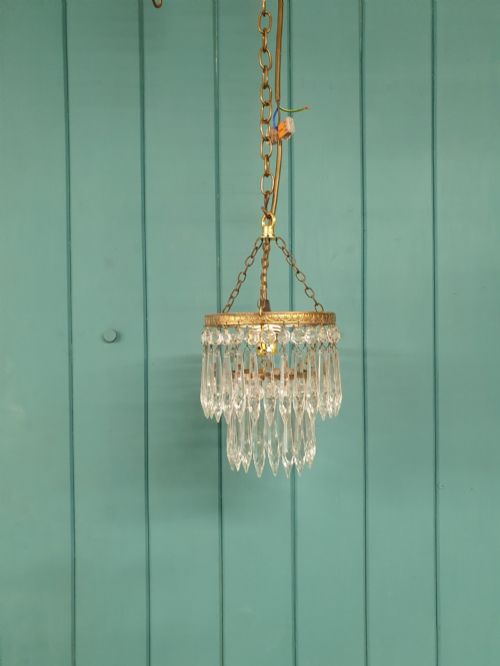
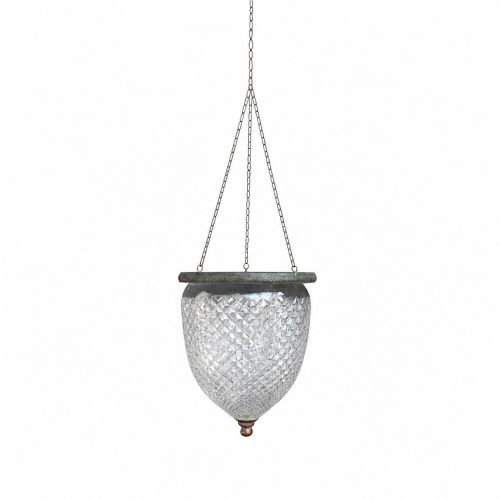
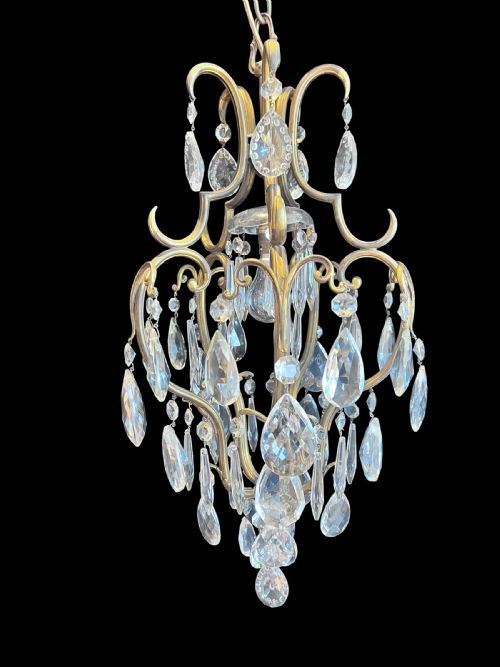
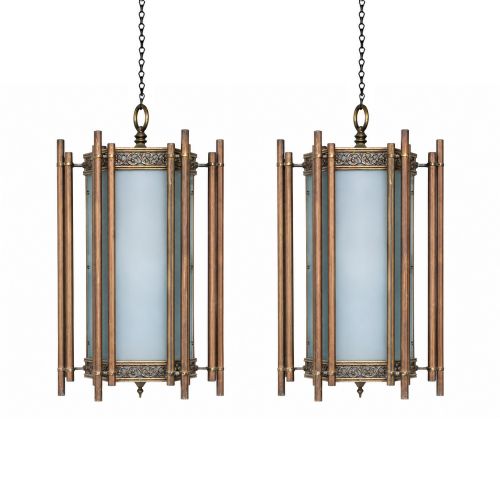
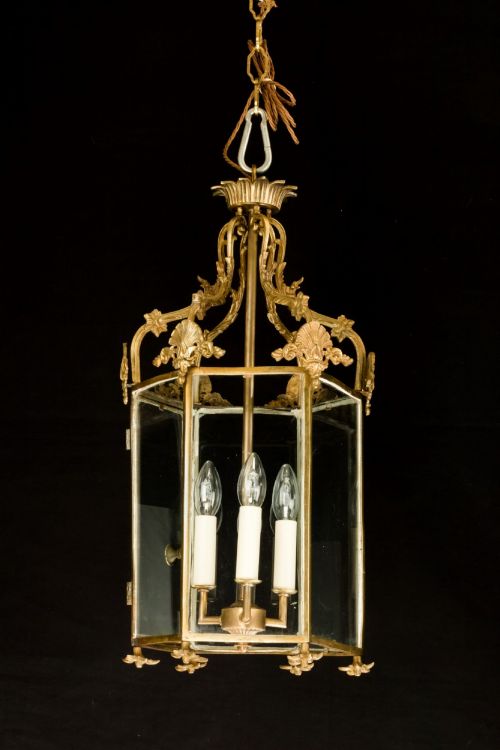
A hallway pendant ceiling light encompasses hanging lanterns, bag chandeliers and single-light fixtures designed to illuminate entrance spaces and corridors. Buyers searching for a hallway pendant ceiling light will encounter a range of forms spanning the Victorian, Edwardian and Art Deco eras alongside earlier nineteenth century examples.
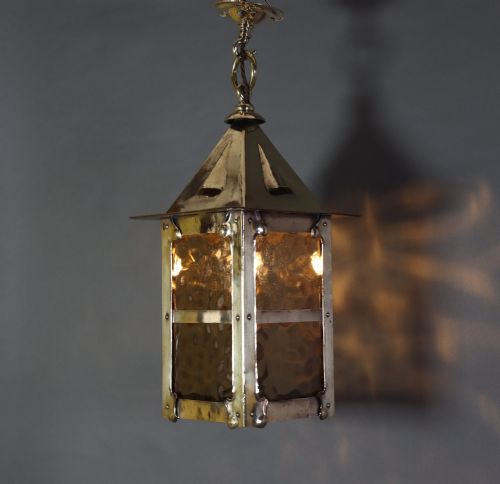
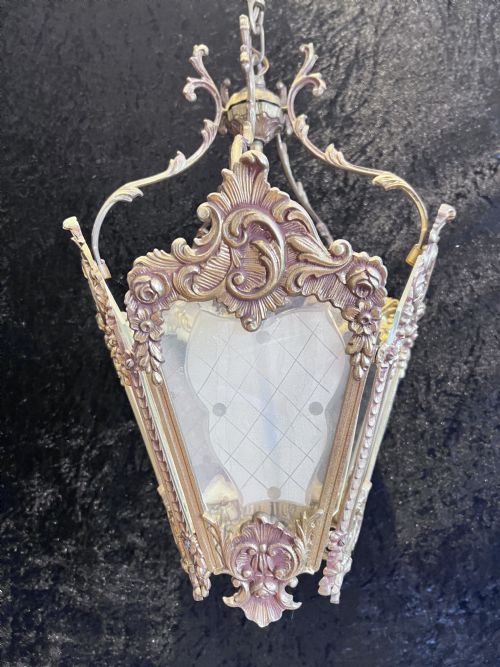
The selections on this page lean heavily towards brass-framed lanterns and glass pendants, often drawing on French, Arts and Crafts or Art Nouveau design traditions. These fixtures range from compact dome-top chandeliers to monumental hanging lanterns intended for substantial vestibules.
How they were made
Makers constructed these fixtures primarily using brass, bronze and copper frames to hold panels of clear, leaded, cut or coloured glass. Crystal prisms, beads and spikes frequently adorn chandeliers and lanterns of the Edwardian and later periods to refract the internal light.
Workshops employed cast bronze, gilt metal and soldered lead channels to secure the glass panels within geometric or ornate frames. Structural integrity relies upon sturdy metal suspension loops and chains designed to bear the weight of the glass and metal bodies.
Listings feature brass, cut glass and bronze prominently across Edwardian and Art Deco periods.
What varies in quality
The distinction between standard production and top-tier examples lies in the weight of the metal casting and the precision of the glass cutting. Heavier brass frames, finely chased gilt bronze and deeply cut crystal elements denote superior craftsmanship.
Design ambition separates basic utility lights from exceptional decorative pieces, seen in sophisticated stylistic details like Art Nouveau plant motifs or intricate French rococo scrollwork. The integration of high-grade coloured, opaline or leaded glass panels further elevates a fixture's status.
F&C Osler·Voysey
The Hallway Pendant Ceiling Light Glossary
- Pendant light
- A hanging light fixture suspended from the ceiling by a chain, cord or metal rod. These fixtures direct illumination downwards into hallways and rooms.
- Lantern
- A fully enclosed or semi-enclosed lighting fixture featuring glass panes set within a metal framework. They frequently protect the light source from drafts in entryways.
- Bag chandelier
- A light fixture featuring a flattened lower bowl and a cascading upper section of crystal beads shaped like a small pouch. They emerged during earlier periods and remained popular through the Edwardian era.
- Plafonnier
- A shallow bowl-shaped ceiling light mounted close to or directly against the ceiling surface. These fixtures suit spaces with lower headroom.
- Opaline glass
- A type of semi-translucent milky glass used to diffuse light evenly without harsh glare. It appears frequently in mid-period pendant lighting.
Hallway Pendant Ceiling Light: Frequently Asked Questions
How do I choose the right size?
Consider the proportions of your hallway, ensuring the fixture hangs high enough for clearance while remaining visually balanced in the space. Compact dome-top chandeliers and small lanterns suit lower or narrower corridors.
Larger vestibules and high ceilings can accommodate monumental hanging lanterns or multi-light bronze chandeliers without overwhelming the architecture.
Were these lights originally electrified?
Many of the older lanterns and pendants in these periods were originally designed for candles or gas before being converted for electricity later. Surviving fixtures often show adaptations from their initial fuel source to modern wiring.
When reviewing pieces, check the wiring status to understand if the internal fittings require professional updating for contemporary domestic use.
Can I use these outdoors?
Most of these fixtures are built as interior hallway pendants and lack weatherproof sealing against rain and damp conditions. Placing them outside can damage the delicate metal frames and electrical components.
Instead, reserve these brass, bronze and glass lanterns for protected porches, entrance halls and interior corridors.
How do I date a hallway light?
Stylistic indicators provide the clearest clues, such as the flowing organic lines of Art Nouveau or the geometric symmetry typical of Art Deco. Materials like heavy gilt bronze or specific glass treatments also align with distinct nineteenth and early twentieth-century manufacturing periods.
Examining the construction techniques, screw types and metal patination helps confirm whether a piece belongs to the Victorian era or later decades.