





Hall Table with Mirror
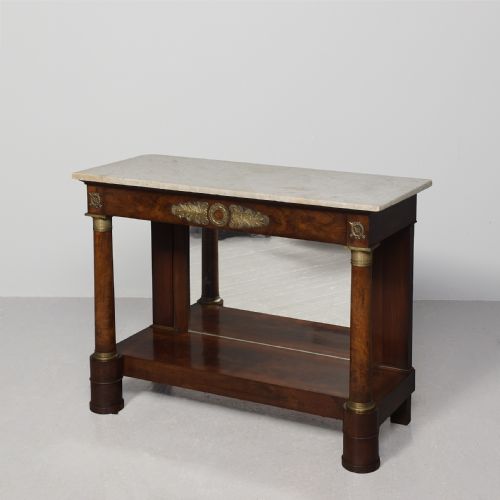
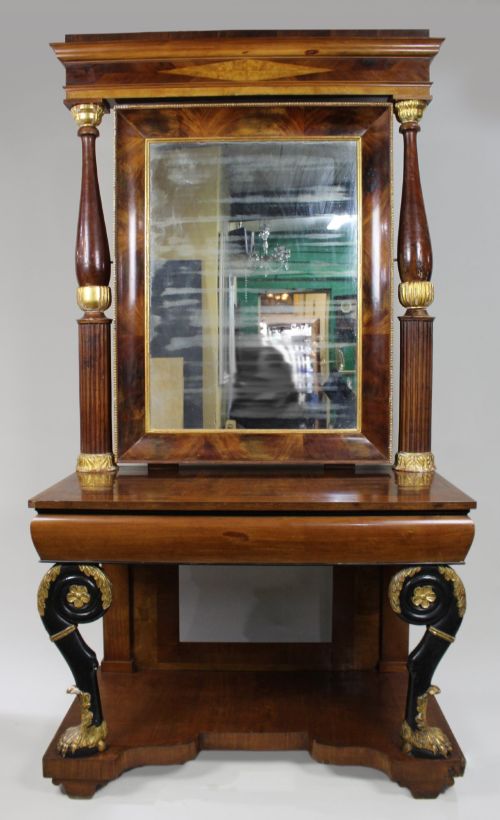
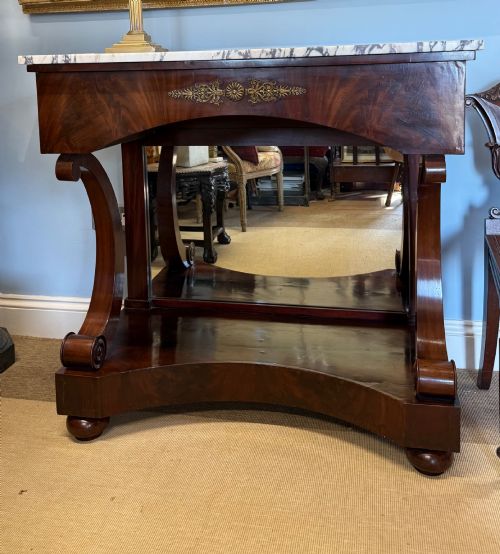
A hall table with mirror combines a surface and a looking glass to anchor an entrance, bringing together mahogany, marble and glass.
Hall Table with Mirror
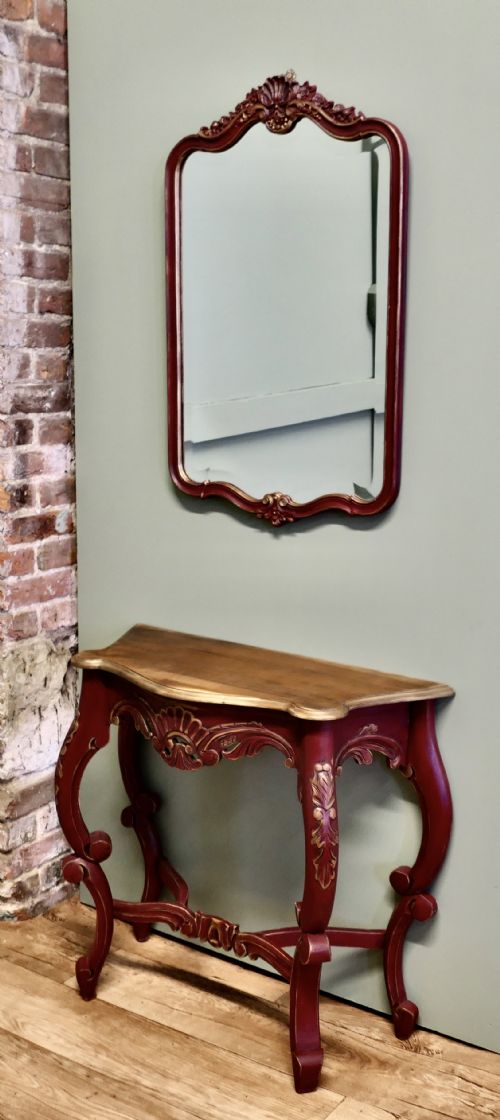
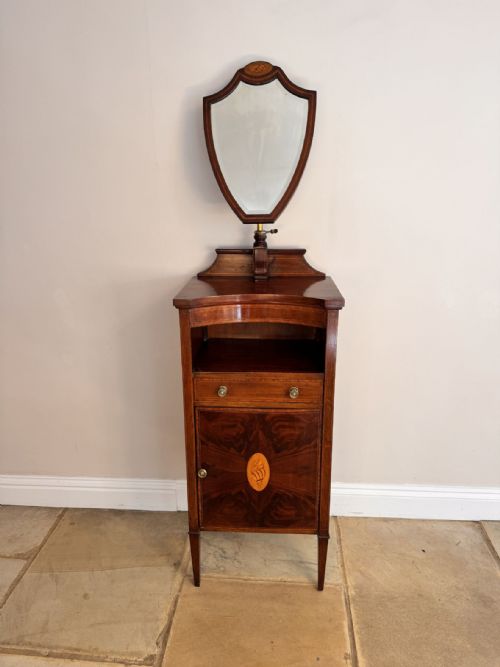
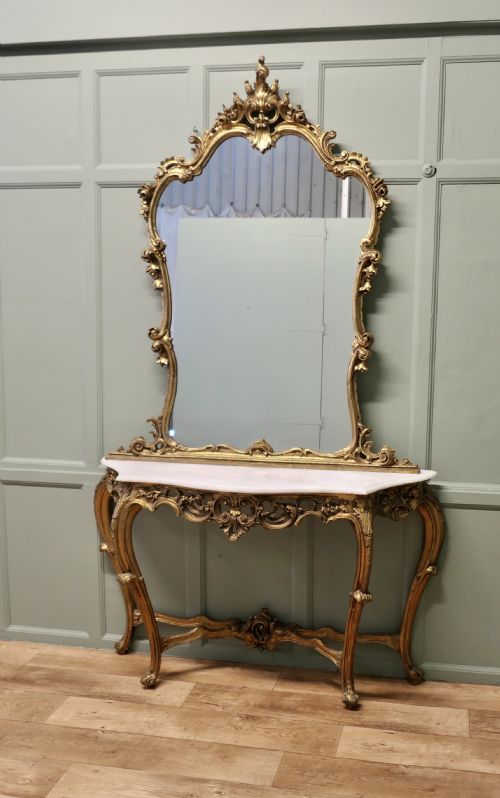
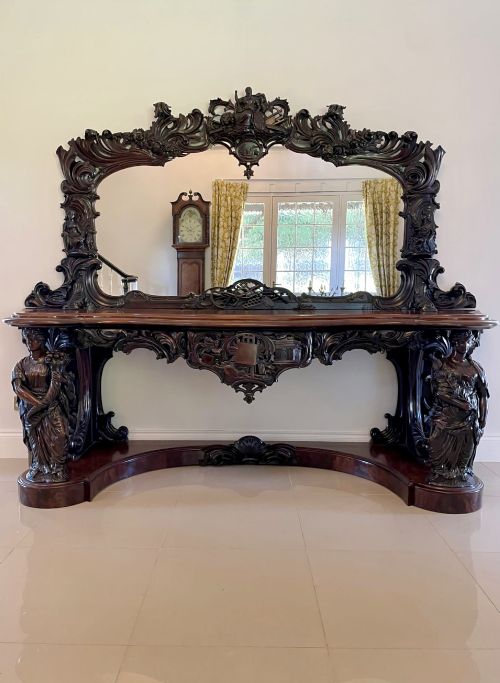
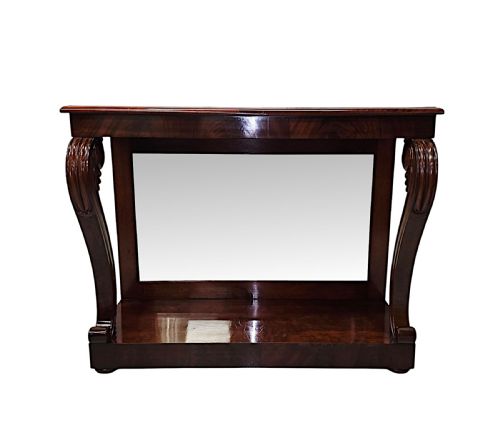
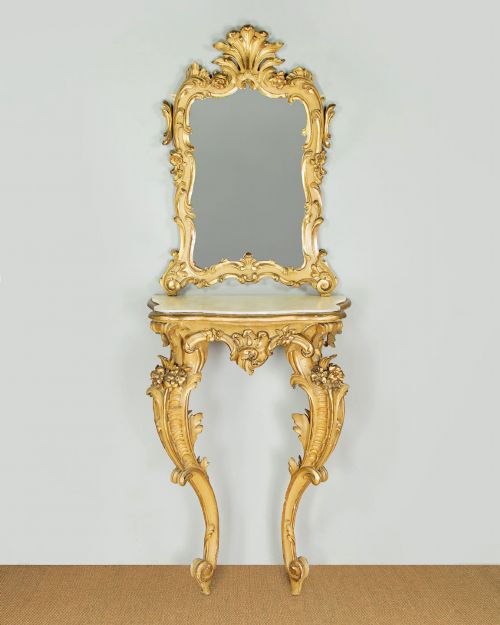
A hall table with mirror unites a console or pier table with a matching or integrated glass plate, designed specifically for an entrance hall or reception space. These pieces serve the dual purpose of a surface for small items and a reflective glass for final checks before stepping outside.
The versions most commonly met on this page span the nineteenth century, including Victorian, Regency, and William IV periods, alongside oak hall stands and mahogany console tables with mirror backs. Formats range from carved console tables with wall mirrors to freestanding hall stands incorporating marble shelves and hooks.
Materials and construction
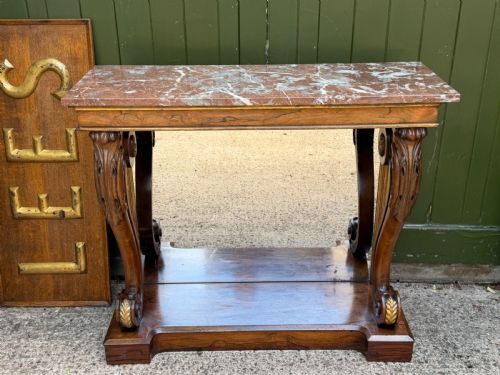
Makers utilised dense timbers such as mahogany, rosewood, and oak, frequently embellished with parcel-gilt details or intricate hand-carving in the Victorian and Rococo styles. These wooden frames and tables provide the structural rigidity required to support heavy stone elements.
Figured marble and carrara marble tops appear regularly across console tables, paired with inset glass mirror plates and brass hardware. Construction methods combine traditional joinery with carved ornamentation, supporting both wall-mounted pier mirrors and heavy upright hall stands.
Hall Table with Mirror Retail Price Guide 2026
Typical asking prices for hall table with mirror among the pieces listed under this phrase on Sellingantiques today, from the lower quarter to the upper quarter. They describe what is for sale here now, not the wider market.
Some nineteenth-century hall stands went so far as to incorporate painted ceramic tiles illustrating the days of the week.
Distinctions in quality
The standard of a hall table with mirror depends on the depth of the hand-carving and the quality of the timber selection, such as figured mahogany or rich rosewood. Finer examples display crisper architectural details, integration between the console and the mirror back, and superior gilding.
The choice of stone surface also marks a difference, with heavy, well-figured marble tops signifying higher production values than simpler wooden boards. Furthermore, the clarity of the original glass plate and the execution of parcel-gilt highlights separate standard regional pieces from grander salon or hallway furnishings.
Ellen E. Houghton of Minton
The Hall Table with Mirror Glossary
- Console table
- A table designed to stand against a wall, traditionally supported by two or four legs or fixed brackets. They frequently accompany matching wall mirrors in formal reception spaces.
- Pier mirror
- A tall looking glass specifically designed to hang on the wall space, or pier, between two windows. In many surviving pairings, it sits directly above a matching console table.
- Parcel-gilt
- Partially gilded woodwork where thin gold leaf highlights specific carved motifs or mouldings against a dark wood or painted ground. This technique adds contrast and visual depth to nineteenth-century frames.
- Hall stand
- A piece of furniture combining a mirror, coat hooks, a shelf or table surface, and sometimes umbrella stands. They provide a practical multi-purpose station for an entrance hall.
Hall Table with Mirror: Frequently Asked Questions
What is a hall table with mirror?
A hall table with mirror is a combined furniture form featuring a surface for placing items alongside an integrated or matching looking glass. They are designed for entranceways and hallways.
These pieces range from console tables with mirror backs to standing hall furniture incorporating marble shelves and coat hooks.
How were these tables used?
Historically, these items served as the final checkpoint for residents and visitors entering or leaving a home, providing a mirror to check attire and a surface for visiting cards.
The lower sections often included space for hats, gloves, and walking sticks, keeping the entrance orderly and welcoming.
Where should I place one?
These furnishings belong in an entrance hall, corridor, or landing where their reflective glass can bounce light and create a sense of space. They suit narrow areas because console formats sit flush against the wall.
Ensure the wall construction can support hanging mirror frames if the piece is not a freestanding hall stand.
How do I identify a Victorian piece?
Victorian examples often feature heavy carved mahogany, dark oak, or elaborate Rococo-style giltwood frames with deep mouldings. Many incorporate heavy marble shelves and turned structural supports.
Construction details and timber choice help distinguish these nineteenth-century items from later revival pieces.