



Hall Stand with Trays
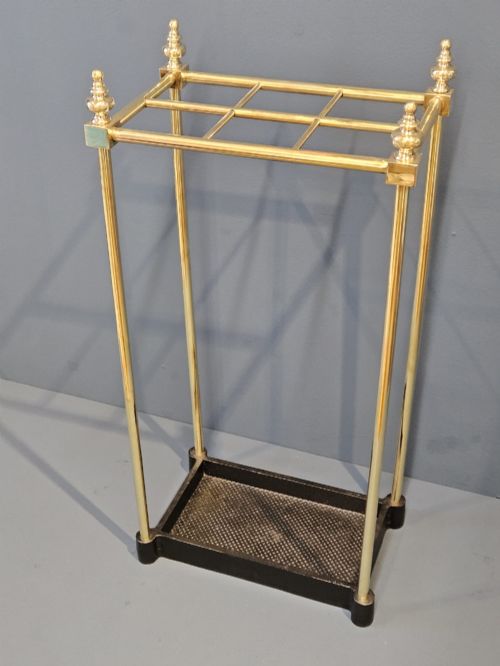
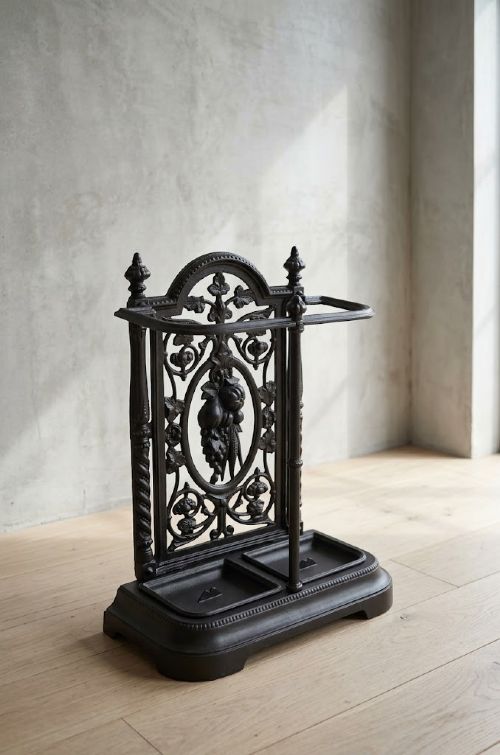
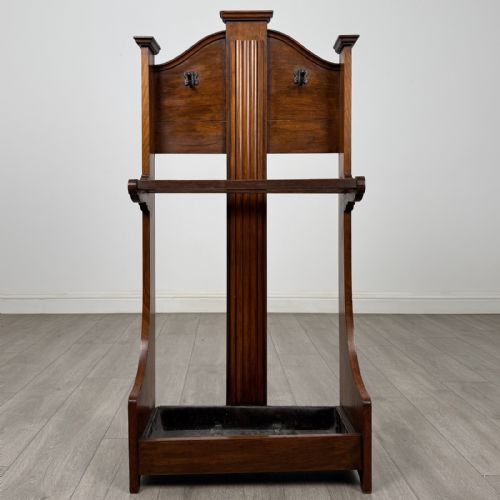
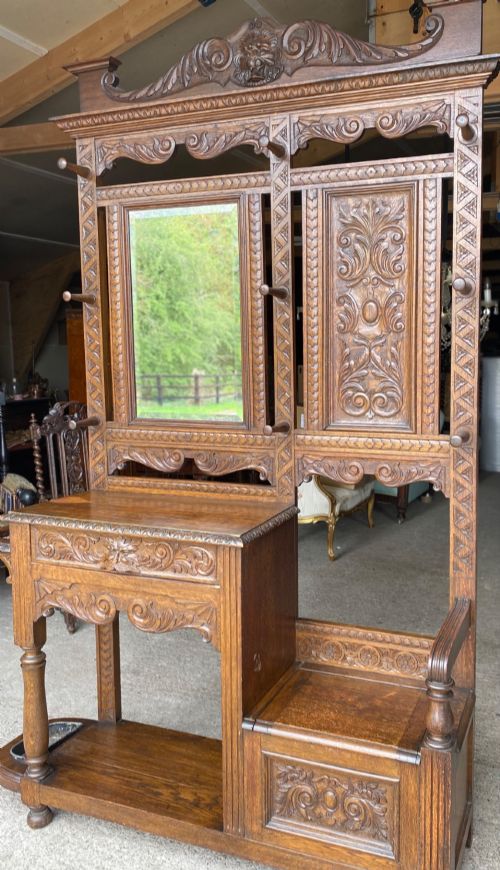
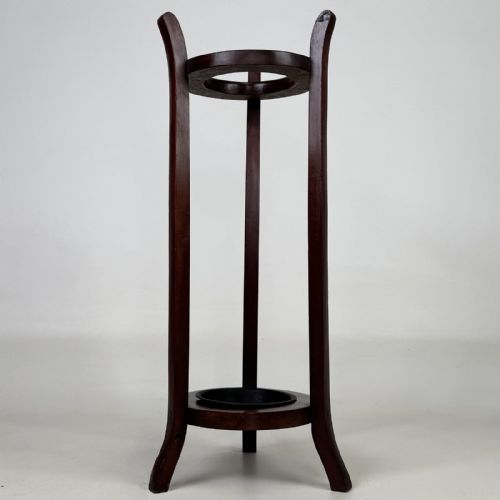
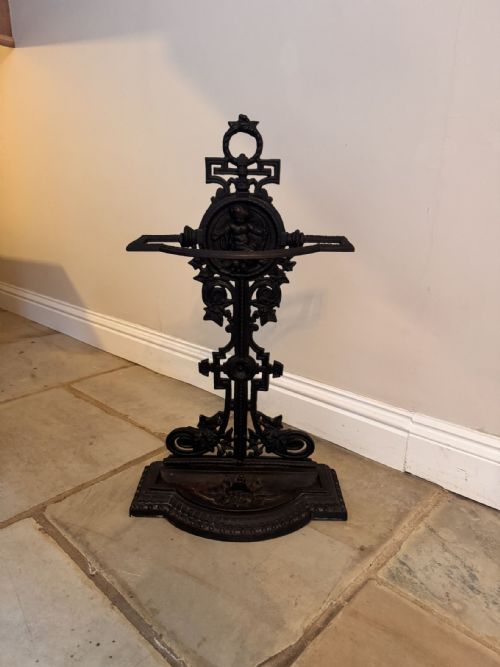
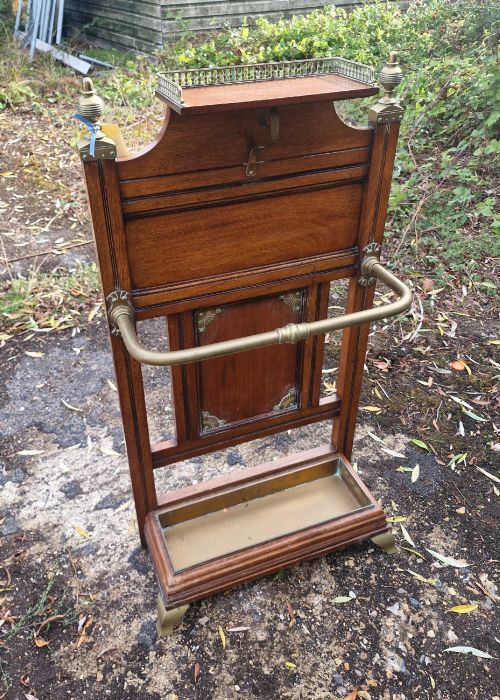
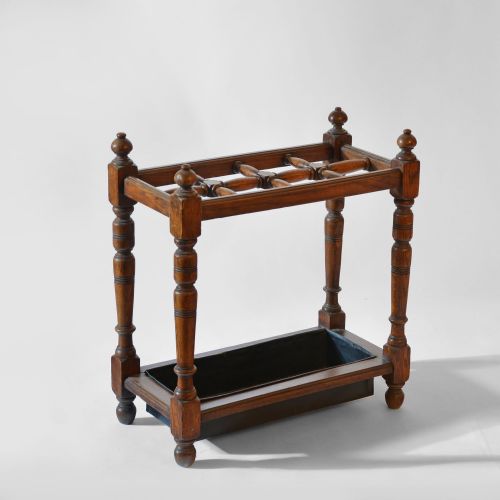
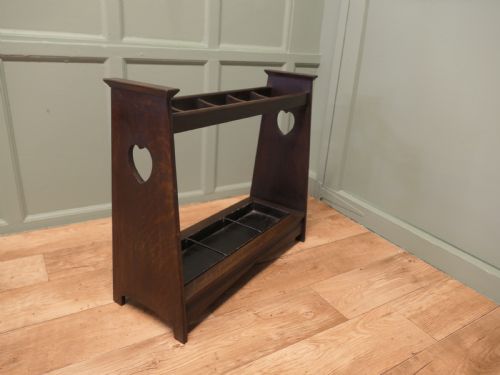
These hall stand with trays are practical pieces of entrance furniture combining coat hooks, umbrella holders, and water collection pans.
Hall Stand with Trays
When you search for a hall stand with trays, you encounter pieces designed to keep entranceways tidy by housing outerwear and wet walking implements. The selections span Victorian, Edwardian, and mid-century periods, alongside 19th Century and specific dates like 1880, 1900, 1910, 1930, and 1950. Forms include hall stands, stick stands, umbrella stands, coat stands, hall seats, and coat and umbrella stands.
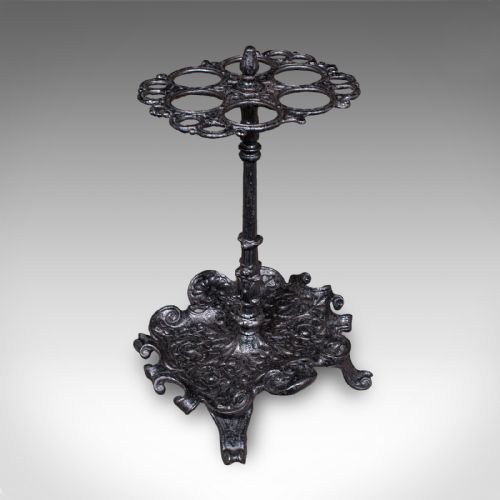
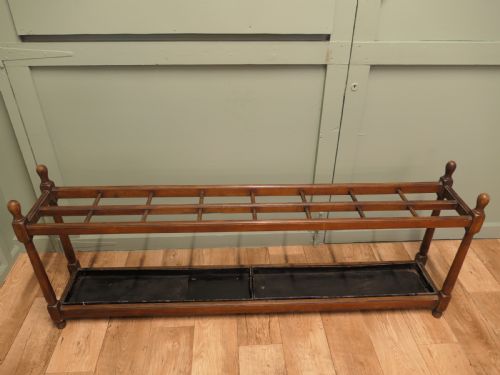
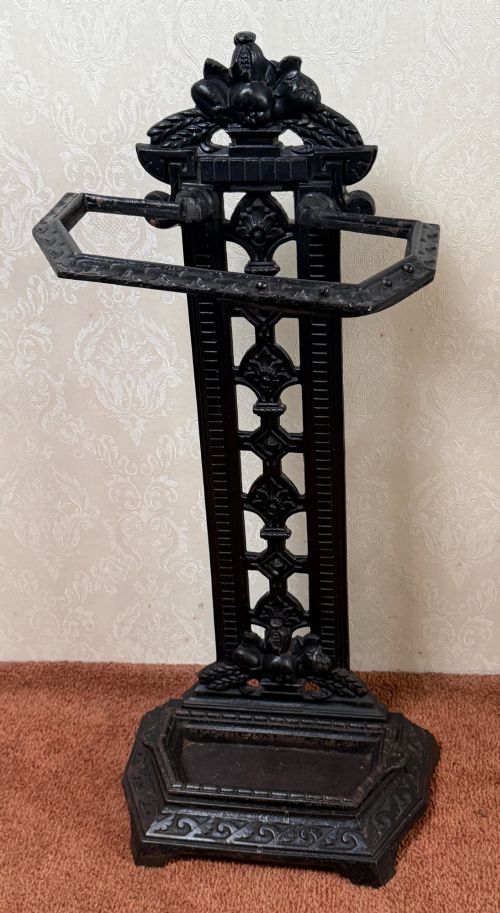
The version you are most likely to meet on this page is constructed from oak or cast iron, often featuring integrated drip trays to catch water from umbrellas and sticks. Styles range from Arts and Crafts, Aesthetic Movement, and Art Deco to Art Nouveau, Rococo Revival, and English Country House. These items serve the dual purpose of seating or coat hanging while protecting floors from dampness.
Materials and construction methods
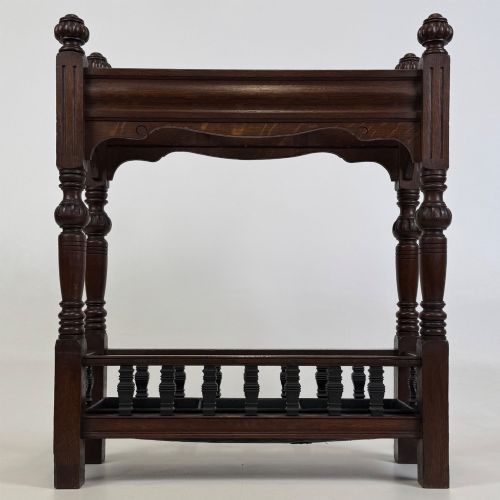
Construction relies heavily on timbers such as oak and mahogany, shaped into structural frames, panels, and coat-hanging sections. Metal components, including brass, nickel plating, iron, and cast iron, provide strength for hooks, frames, and dividers. Glass and marble elements occasionally appear to add decorative contrast or functional surfaces.
Water management is central to the design, achieved through built-in drip trays and pans placed beneath umbrella and stick holders. Frames utilise carved detailing, brass framing, bun feet, and patent numbering to secure stability and aesthetic appeal. Metal parts are cast or plated to resist corrosion from wet items.
Hall Stand with Trays Retail Price Guide 2026
Typical asking prices for hall stand with trays among the pieces listed under this phrase on Sellingantiques today, from the lower quarter to the upper quarter. They describe what is for sale here now, not the wider market.
Some Victorian umbrella racks bear official patent numbers, proving that nineteenth-century inventors took damp hallways very seriously.
Evaluating craftsmanship and condition
Quality separates pieces through the crispness of timber carving, the structural integrity of joints, and the durability of metals used for frames and trays. Superior examples display dense oak or mahogany with well-defined joinery and intact, original hardware.
The condition and originality of the drip trays heavily influence the standard of a piece, as missing or replaced pans alter the utility and completeness. Finer models incorporate integrated metalwork, secure division racks, and supportive bases such as heavy cast iron.
James Shoolbred
The Hall Stand with Trays Glossary
- Drip tray
- A removable metal pan positioned at the base of a stand to catch water from wet umbrellas and walking sticks. It protects surrounding flooring from moisture damage.
- Demi-lune
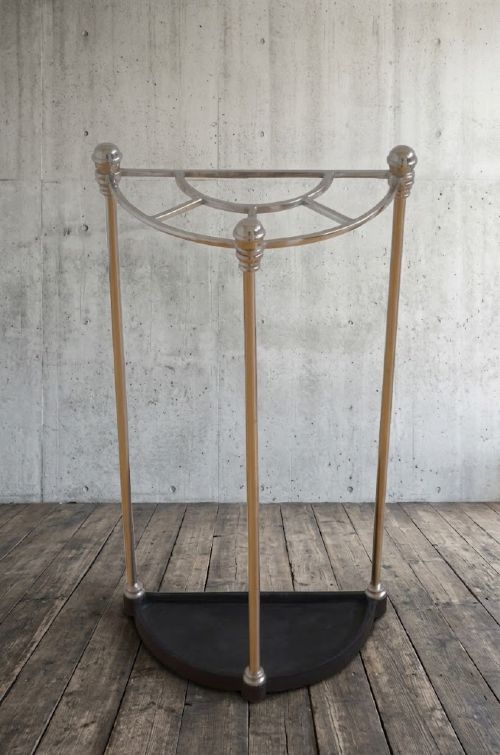
- A half-moon shape often seen in the footprint or frame of umbrella stands designed to sit flush against a hallway wall.
- Hall seat
- An integrated bench built into the lower portion of a hall stand, providing a place to sit while putting on or removing footwear.
- Patent number
- An official registration mark stamped onto Victorian hardware or frames, indicating the legal protection of a specific mechanical invention or design.
Hall Stand with Trays: Frequently Asked Questions
What is a hall stand with trays?
A hall stand with trays is an entrance hall furnishing equipped to hold coats, hats, walking sticks, and umbrellas while incorporating collection pans for moisture.
These items range from compact umbrella racks to substantial hall seats combining timber framing with metal drip trays.
How were these stands used?
Households used them in entranceways and corridors to organise outdoor garments and wet weather gear upon entering the home.
The integrated trays kept floors dry by capturing rainwater running off umbrellas and walking sticks.
How do I care for wooden hall stands?
Wooden frames require regular dusting and occasional treatment with appropriate wax or polish to maintain the condition of the oak or mahogany.
Drip trays should be emptied and dried routinely to prevent moisture damage to the surrounding timber base.
How do I date a hall stand?
Dating relies on observing stylistic markers such as Arts and Crafts, Art Deco, or Victorian design elements alongside construction materials like cast iron or brass.
Specific production eras are also indicated by registration marks, patent numbers, or documented maker details.