



Hall Stand Shelf
These pieces for a hall stand shelf bring order and character to an entranceway, offering practical surfaces for everyday items.
Hall Stand Shelf
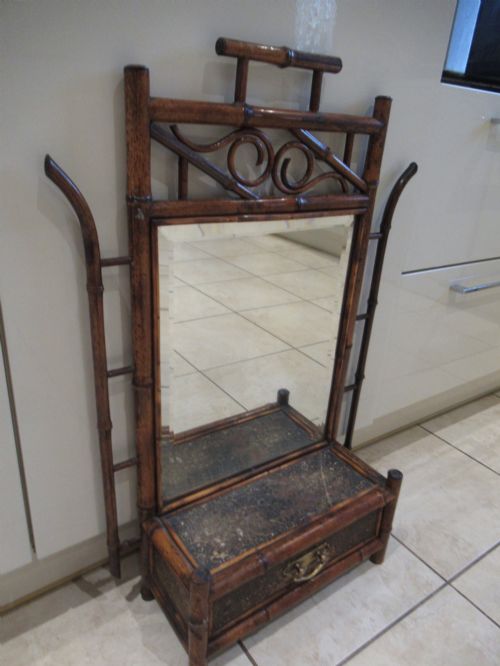
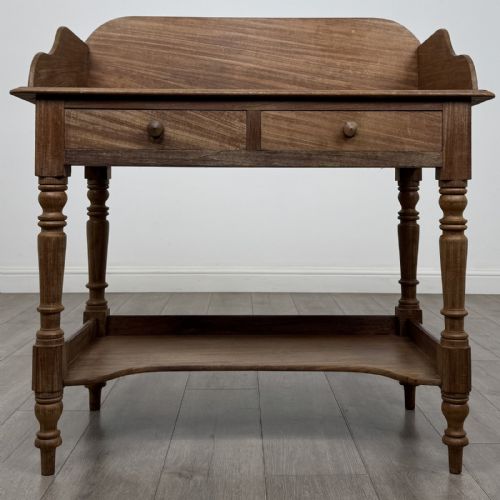
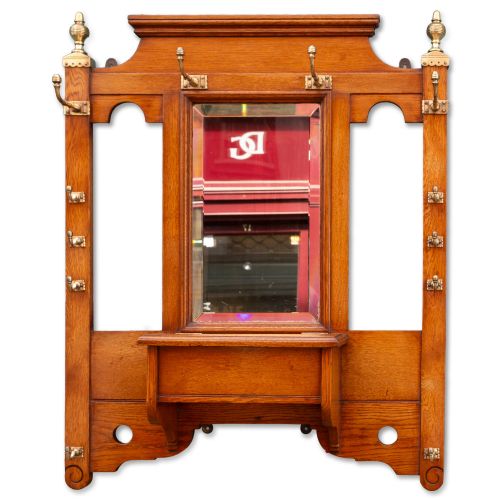
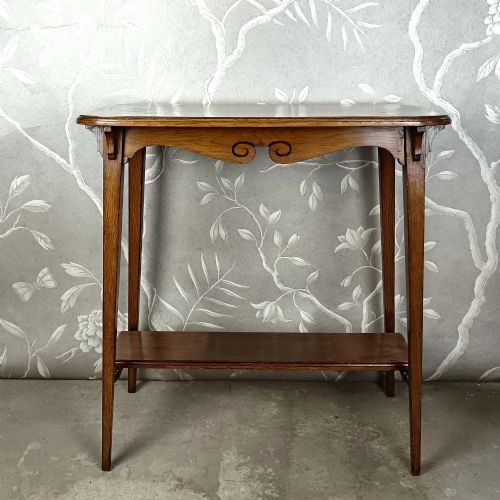
A hall stand shelf combines useful surfaces and hanging spaces, appearing across periods from the Victorian era through the Edwardian years and into the 1930s. Buyers searching for a hall stand shelf encounter various forms, including wall-mounted coat racks, side tables, washstands, and wall mirrors.
The materials span oak, mahogany, bamboo, brass, glass, and marble, reflecting styles such as Jacobean Revival, Aesthetic Movement, Arts and Crafts, and French Art Deco. Pieces originate from diverse contexts, including English country houses and continental workshops.
Victorian examples often incorporate marble shelves and mahogany structures, whilst later Edwardian and 1920s versions utilise golden oak or iron. Buyers are most likely to meet wall-mounted configurations with integrated mirrors and hooks alongside compact occasional tables.
Materials and construction
Makers utilised solid timbers such as oak and mahogany alongside bamboo and linden wood, often pairing them with brass hooks and glass mirrors. Carved details and natural horn elements appear on specialised regional pieces.
Structural integrity relies on traditional joinery for wooden frames and secure wall-mounting brackets for racks and mirrors. Marble inserts provide durable surfaces on washstands and hall stands.
Hall Stand Shelf Retail Price Guide 2026
Typical asking prices for hall stand shelf among the pieces listed under this phrase on Sellingantiques today, from the lower quarter to the upper quarter. They describe what is for sale here now, not the wider market.
Listings span periods from the 1880s through the 1930s, featuring materials such as bamboo, oak, mahogany, and marble across multiple styles.
Quality and execution
The standard of workmanship shows in the precision of wood carving, the clarity of mirror plates, and the finish of brass fittings. Superior examples display thoughtful integration of materials like marble and wood without awkward joints.
Proportion and material selection dictate the presence of a piece, where well-chosen timbers and balanced forms distinguish standard utility items from decorative focal points.
The Hall Stand Shelf Glossary
- Raised gallery
- A low decorative border running along the edge of a shelf or washstand top to prevent items from slipping off. This feature is common on Victorian mahogany washstands.
- Portmanteau
- A combined piece of hall furniture incorporating a mirror, coat hooks, and a shelf or small stand. These large items served as central entranceway furniture.
- Aesthetic Movement
- A late nineteenth-century design style focusing on visual beauty rather than narrative meaning. It frequently utilised bamboo and lacquered surfaces.
- Luggage rack
- A low folding or fixed stand designed for holding bags, often constructed from oak with slatted tops.
- Black Forest carving
- Highly detailed woodworking originating from Switzerland and southern Germany, typically featuring natural motifs like deer antlers and linden wood.
Hall Stand Shelf: Frequently Asked Questions
What is a hall stand shelf used for?
These pieces provide a designated spot in an entrance hall for hanging coats, hats, and placing small daily items. They help maintain order near the front door.
Historically, they served the same practical purpose in domestic hallways, accommodating the outerwear of family and visitors alike.
How do I date a wooden hall shelf?
Dating relies on observing the timber types, construction methods, and stylistic markers present in the piece. Victorian examples often use heavy mahogany, whilst Edwardian and later pieces frequently employ oak.
Design movements like Arts and Crafts or Art Deco also provide clear chronological boundaries based on their distinct decorative vocabulary.
Are these shelves wall mounted?
Mounting configurations vary between wall-hanging racks with integrated mirrors and freestanding hall stands or tables. Some designs attach directly to the wall to save floor space in narrow hallways.
Checking the rear structure and original brackets helps determine how a specific piece was intended to be positioned.
What materials are common in these pieces?
Common materials include hardwoods like oak and mahogany, alongside alternative mediums such as bamboo, brass, and marble. Regional pieces might incorporate horn or linden wood.
Mirror glass and iron also appear frequently in French and continental designs from the early twentieth century.