




Hall Settle Chairs
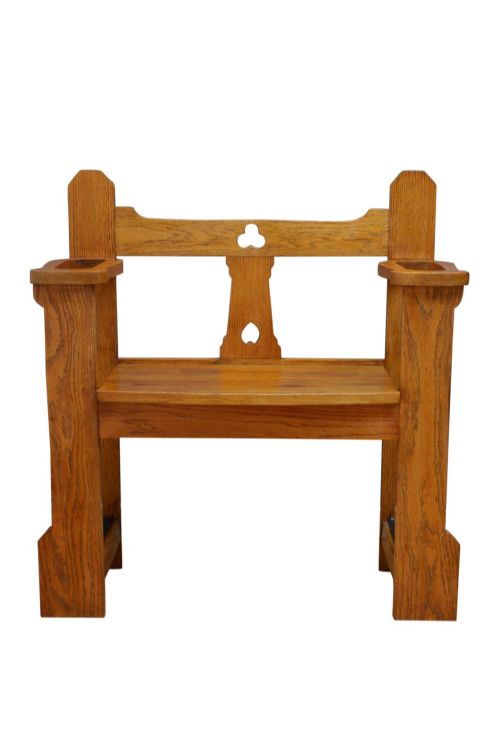
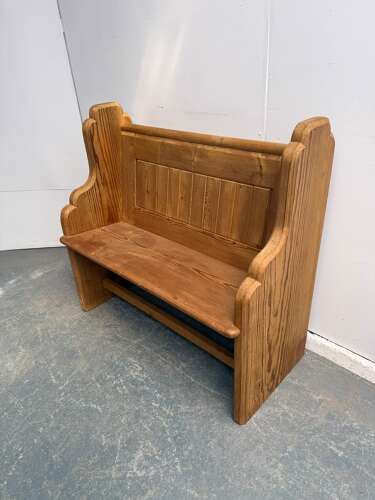
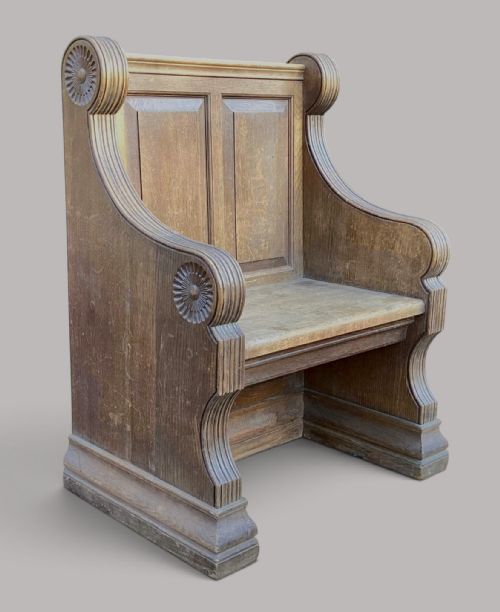
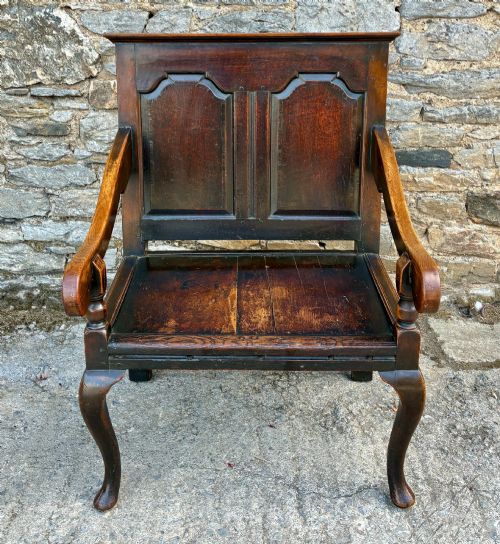
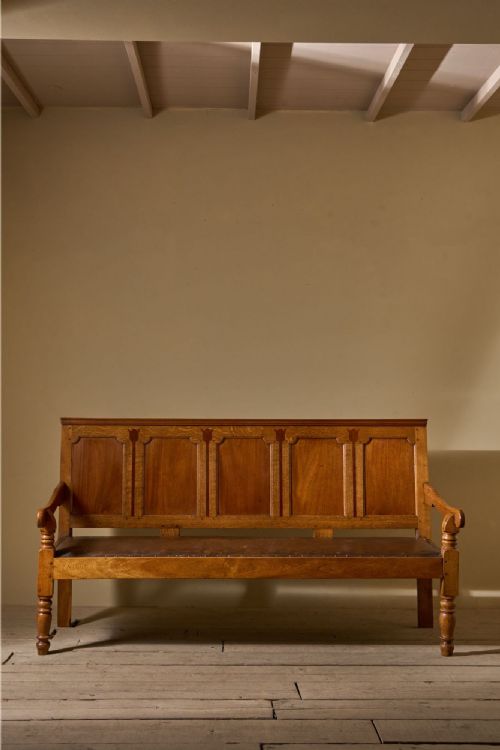
These hall settle chairs bring solid oak, pine and carved panels straight from historical hallways into modern entrance spaces.
Hall Settle Chairs
Hall settle chairs combine high-backed seating with built-in storage compartments, making them traditional furniture pieces designed for entrance halls and corridors. When you search for hall settle chairs, you encounter heavy oak benches, painted pine box settles, and versatile monks benches that convert from seats into tables.
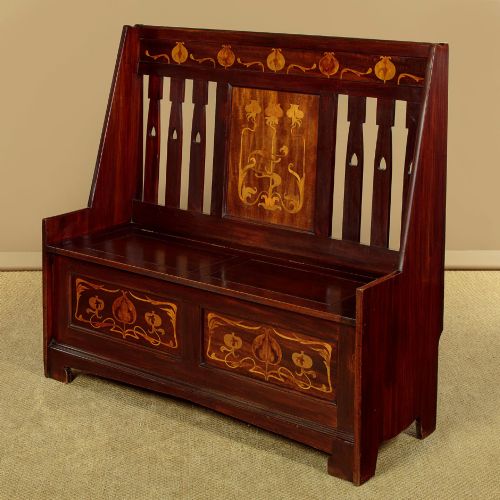
The pieces appearing on this page span several centuries, with particular strength in 19th Century and early 20th Century examples. You will find items representing styles such as Jacobean Revival, Arts and Crafts, and Georgian country furniture.
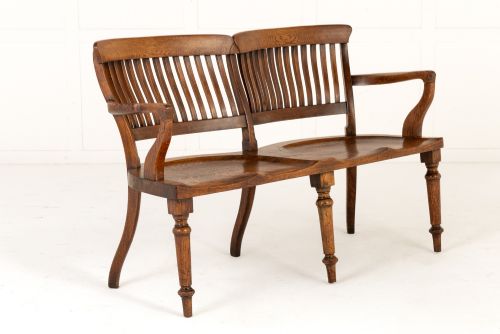
Forms vary from narrow hall seats with lift-up lids to architectural settles and double chair-back settees. Oak remains the predominant material, alongside pine, mahogany, fruitwood, and painted surfaces.
Materials and construction methods
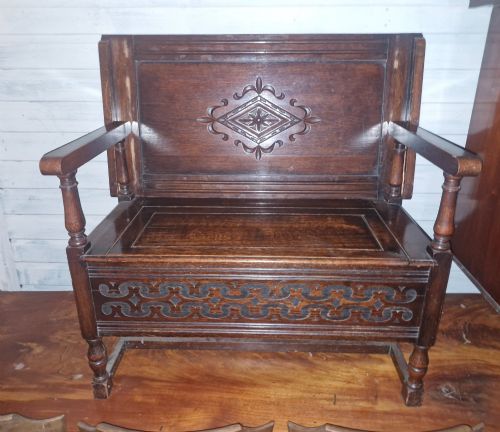
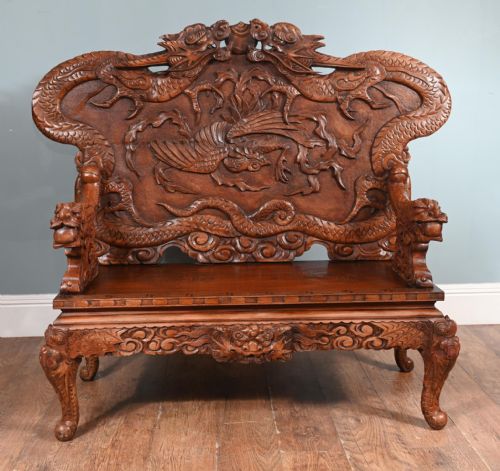
Makers relied heavily on solid oak, pine, and mahogany, utilising traditional joinery like panelled construction and pegged joints. Many early examples incorporate carved details such as tulip motifs or architectural mouldings directly into the timber.
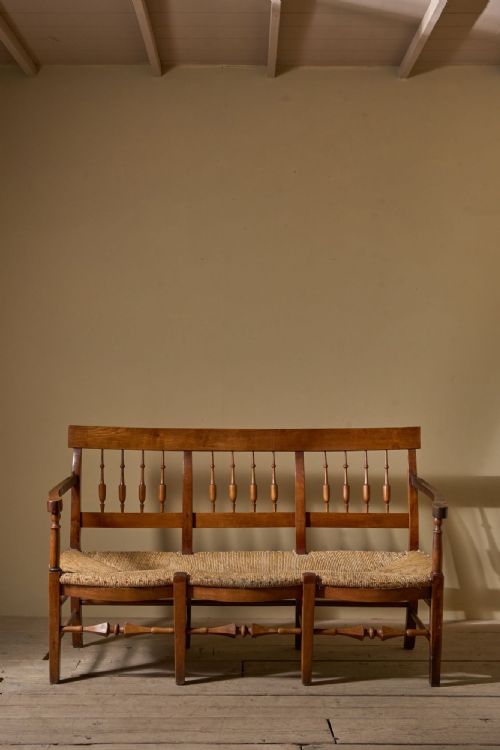
Painted finishes appear frequently on pine pieces from Hungarian and French provincial traditions, often utilising wax or original blue and grey pigments. Other variations include rush seating, fabric elements, and intricate Chinese hardwood carving.
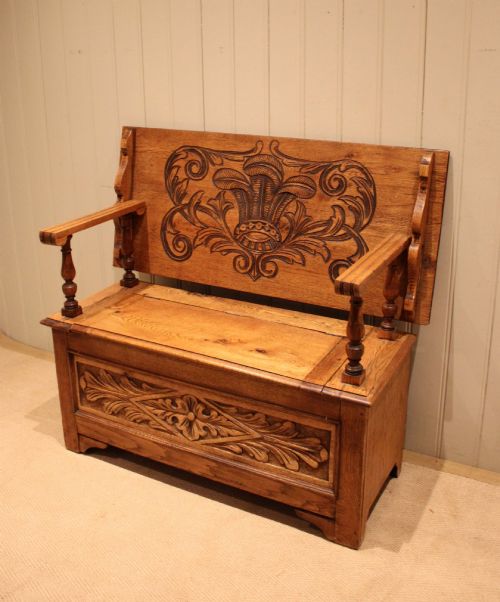
Transformable pieces like monks benches employ clever hinges and pivoting tops that allow the backrest to fold flat over the arms, converting a chair into a table.
Hall Settle Chairs Retail Price Guide 2026
Typical asking prices for hall settle chairs among the pieces listed under this phrase on Sellingantiques today, from the lower quarter to the upper quarter. They describe what is for sale here now, not the wider market.
Listings feature oak, pine, and mahogany pieces spanning the Georgian, Victorian, and Arts and Crafts periods.
Assessing craftsmanship and condition
Quality rests in the integrity of the timber, the crispness of the hand-carving, and the retention of original surfaces or early paint. Pieces built from solid oak with tight panelled backs and original hinges represent superior construction compared to later utility builds.
Proportion and scale dictate desirability, particularly when dealing with smaller hall benches designed for restricted entrance spaces. Finer examples display balanced architectural proportions and well-executed joinery that withstands heavy daily use.
James Shoolbred & Co.
The Hall Settle Chairs Glossary
- Monks bench
- A convertible seat featuring a hinged back that folds down over the arms to form a table top. These items typically include a storage box beneath the seat.
- Settle
- A wooden bench with a high back designed to block draughts, usually incorporating a box compartment under the seat. They served as primary seating in traditional hallways and kitchens.
- Box settle
- A form of seating featuring a deep storage chest built directly under the seat pan. The lift-up lid provides access to the interior compartment.
- Jacobean Revival
- A 19th-century stylistic movement emulating 17th-century English furniture. Pieces in this style utilise dark oak, geometric mouldings, and deep relief carving.
- Barrel backed settle
- A seating form featuring a curved, enclosing wooden back that wraps around the occupant. This design provides maximum shelter from cold draughts in unheated hallways.
Hall Settle Chairs: Frequently Asked Questions
What is a monks bench?
A monks bench is a dual-purpose wooden seat with a pivoting back that folds down horizontally to create a table. They were historically used in hallways and smaller rooms to save space.
Underneath the hinged seat lies a storage box traditionally used for blankets and winter wear.
Where were settles used?
Settles were placed in hallways, porches, and farmhouse kitchens to provide seating while blocking cold draughts from exterior doors. The high wooden backs and solid sides kept occupants warm before central heating existed.
Their enclosed bases also served as secure storage for household goods.
How do I date a wooden settle?
Dating relies on examining the timber species, joinery techniques, and tool marks visible on the underside and interior panels. Earlier pieces from the Georgian and 18th century display hand-cut pegs and irregular board widths.
Victorian and later revival pieces often feature machine-sawn components and standardised hardware.
Are painted settles original?
Many pine settles from Hungary and provincial Europe feature original painted finishes in blue, grey, or natural wax. Inspecting the surface wear helps determine if the pigment dates to the period of manufacture.
Later overpainting is common, so check for underlying layers of historical paint.