

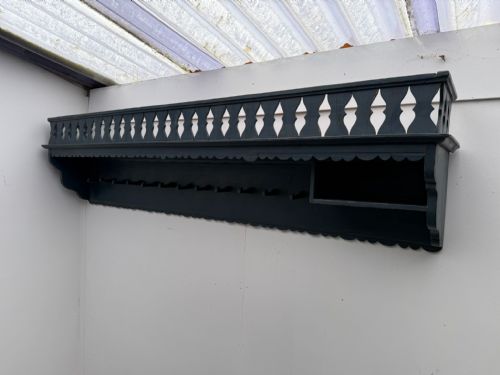
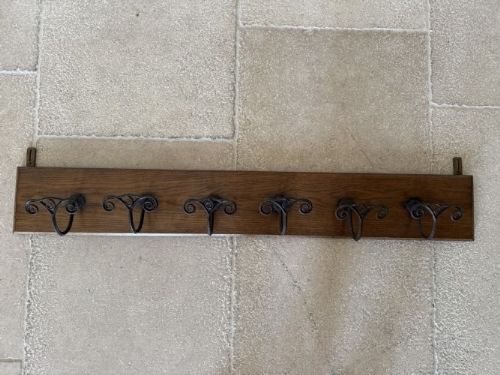


Hall Peg Rail
A hall peg rail organises entranceways with practical utility, bringing period character and sturdy hanging space to any busy domestic threshold.
Hall Peg Rail
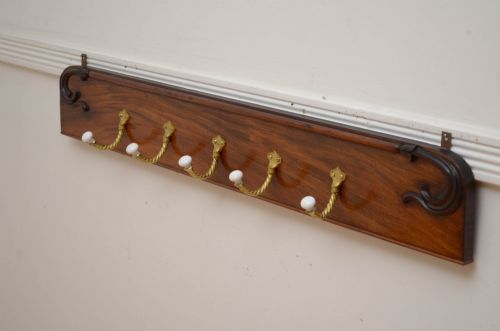
A hall peg rail provides wall-mounted hanging space for coats, hats, and cloaks, taking the form of a long horizontal timber plank fitted with projecting hooks. These items originate from periods spanning the Georgian era through to the 1930s, reflecting the changing domestic requirements of entranceways and cloakrooms.
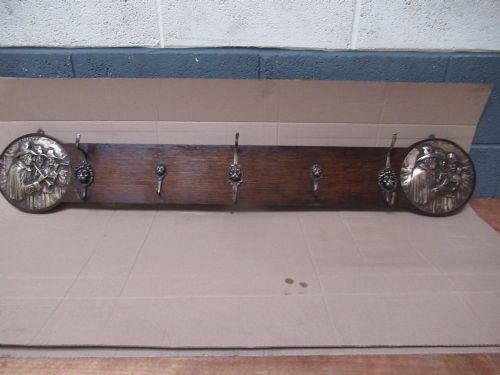
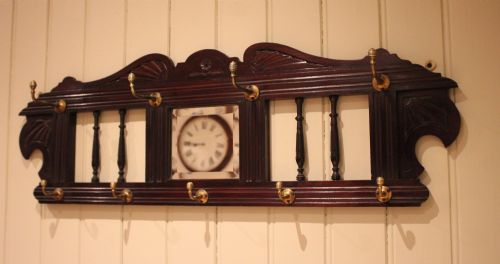
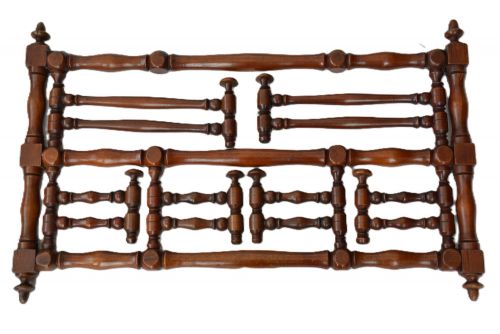
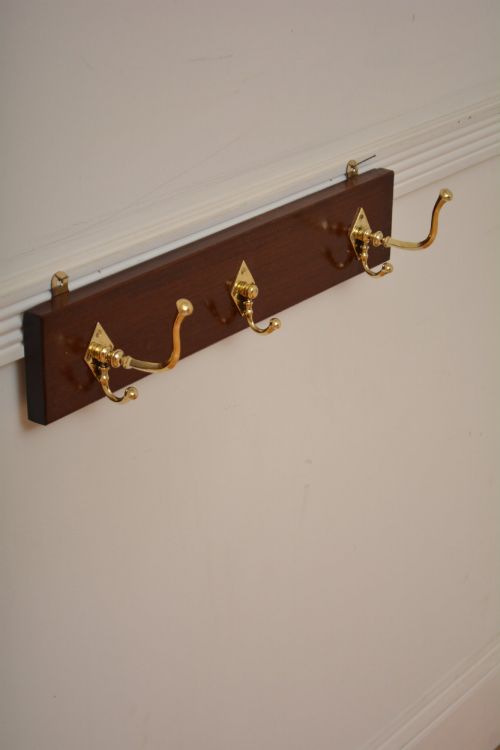
The versions most commonly met on this page are constructed from mahogany or pine, often displaying Victorian or Edwardian design characteristics. Pieces range from simple utilitarian rows of wooden or bentwood hooks to more decorative examples incorporating brass, ceramic, or twisted rope elements.
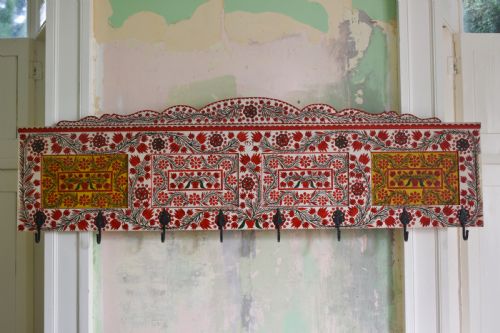
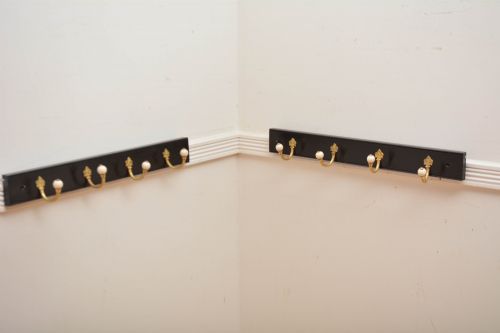
Makers adapted these rails for reception halls and cloakrooms, creating functional furniture that also served as a decorative fixture. Regional variations emerge, such as brightly painted Hungarian country pine rails alongside sober British hardwoods like ebonised wood.
How they were made
Construction relies on solid timbers such as mahogany and pine, shaped into backboards designed to be mounted directly to walls. Workshops selected these woods for their ability to bear the weight of heavy garments and hats over extended periods of daily use.
Hooks were fashioned from brass, ceramic, iron, and bentwood, then screwed or bolted firmly into the wooden boards. Painted finishes, notably on Hungarian country pieces, involved layering mineral pigments over pine to provide both colour and surface protection.
Hall Peg Rail Retail Price Guide 2026
Typical asking prices for hall peg rail among the pieces listed under this phrase on Sellingantiques today, from the lower quarter to the upper quarter. They describe what is for sale here now, not the wider market.
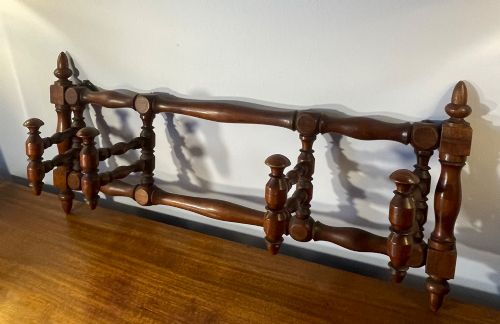
Some rails feature twisted rope details carved directly into the wooden framework, bringing a nautical flourish inland.
What varies in quality
Quality rests in the selection of materials, such as dense figured mahogany versus plain utility pine, and the choice of hook hardware. Finer examples integrate brass, ceramic inserts, or turned wooden pegs that demonstrate superior craftsmanship in their turning and fitting.
Proportion and decorative detailing distinguish the standard utilitarian cloakroom rail from an entranceway piece intended for display. The integration of design movements, such as Aesthetic Movement styling or William IV rope twists, separates basic workshop items from more ambitious pieces.
The Hall Peg Rail Glossary
- Peg rail
- A long wooden strip mounted to a wall and fitted with projecting hooks for hanging garments. These practical fixtures historically served domestic entranceways, cloakrooms, and boot rooms.
- Bentwood
- Wood steamed and bent into curved shapes, commonly utilised for lightweight yet resilient coat and hat hooks. This technique gained popularity during the nineteenth century for furniture and fittings.
- Aesthetic Movement
- A late nineteenth-century design style emphasising visual beauty over narrative subject matter. Pieces from this movement often feature refined combinations of brass and dark woods.
- Ebonised wood
- Timber treated with chemical stains or dark paint to imitate expensive ebony. This dark finish was frequently applied to Victorian and Edwardian household fittings.
Hall Peg Rail: Frequently Asked Questions
What is a hall peg rail?
A hall peg rail is a wall-mounted wooden board fitted with multiple hooks designed for hanging coats, hats, and cloaks in entranceways.
Historically placed in reception halls and cloakrooms, these fixtures offered guests and residents a convenient spot to deposit outerwear upon entering the home.
How do I date a coat rack?
Dating relies on observing the timber species, the material of the hooks, and stylistic indicators such as Aesthetic Movement brass or Victorian ebonising.
Examining the construction methods and screw types on the reverse of the backboard also helps determine the approximate period of manufacture.
Where should I mount my rail?
These rails suit entranceways, hallways, and boot rooms where coats and hats require accessible hanging space near the main door.
Ensure the wall fixings anchor securely into studs or masonry to support the weight of heavy winter garments.
Are painted pine rails original?
Many regional pieces, particularly from Hungarian country workshops, utilised painted pine as a traditional method of finishing domestic furniture.
Original paint surfaces often exhibit patination and wear that reflect decades of household use.