
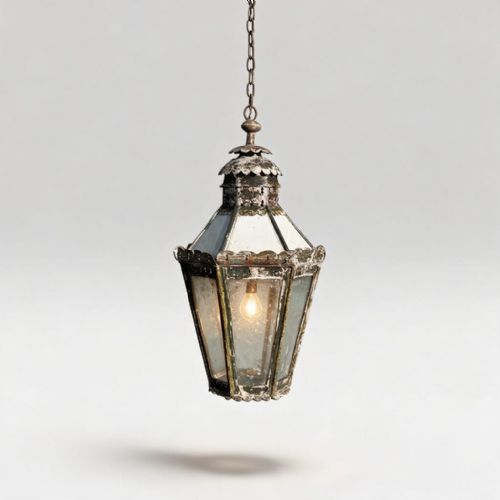
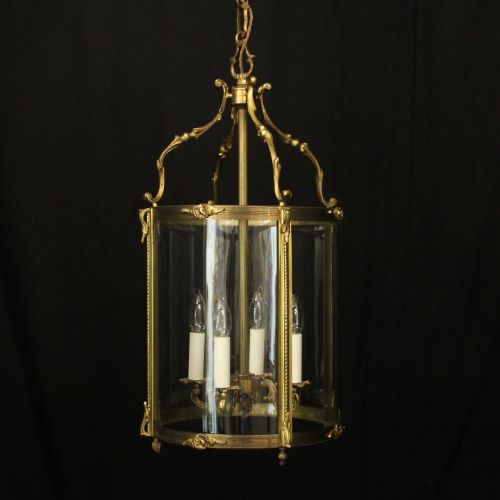
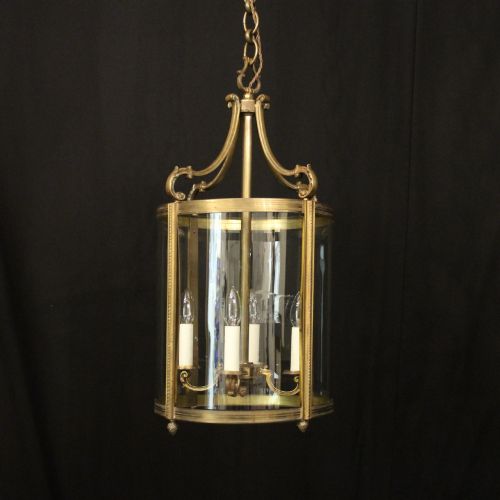

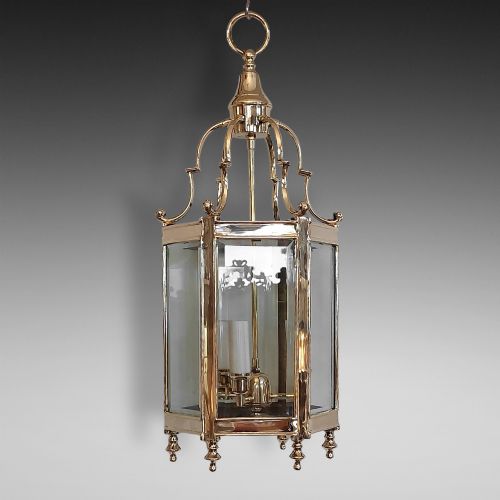
Hall Lantern Pendant Light
A hall lantern pendant light illuminates an entranceway while bringing period character to a hallway.
Hall Lantern Pendant Light
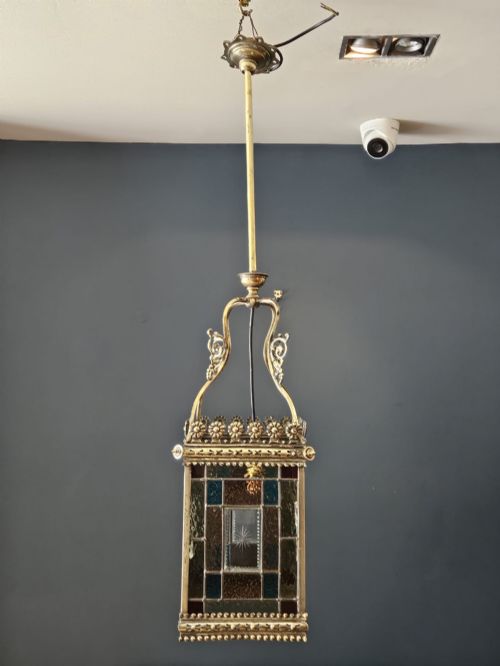
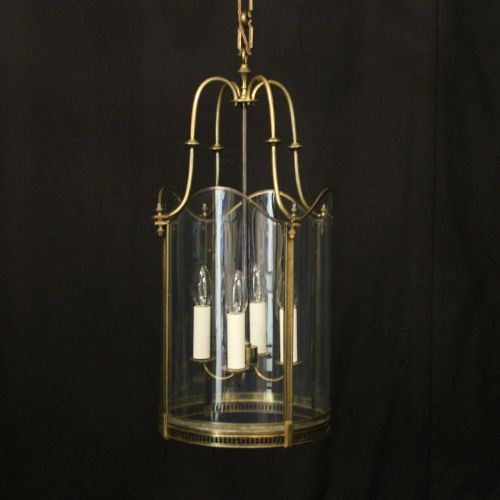
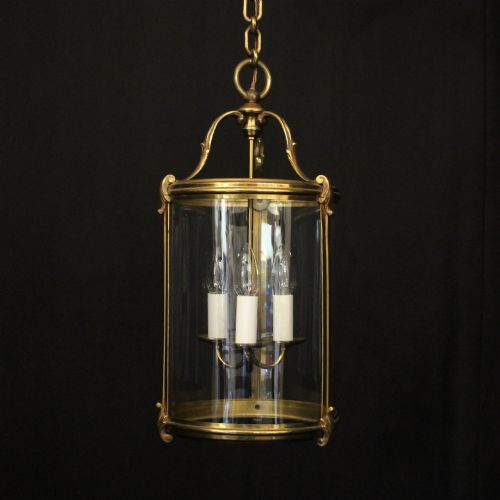
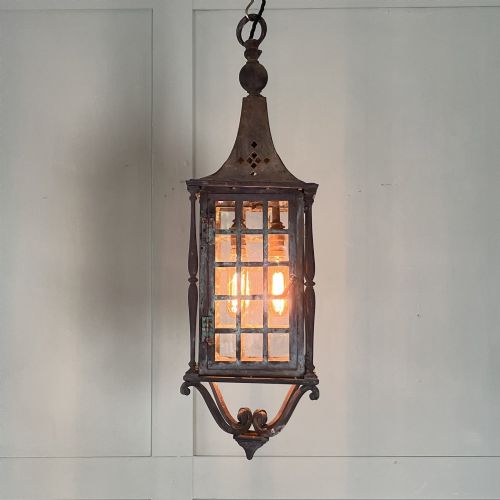
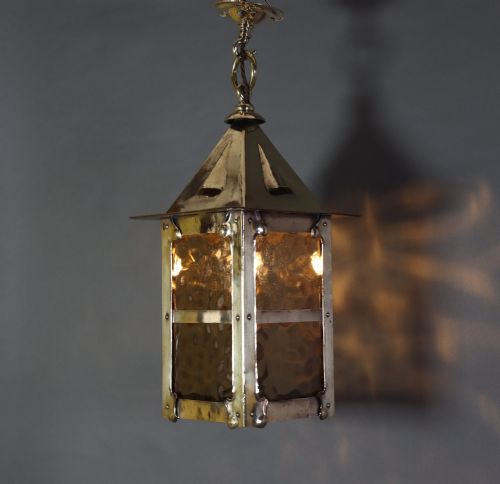
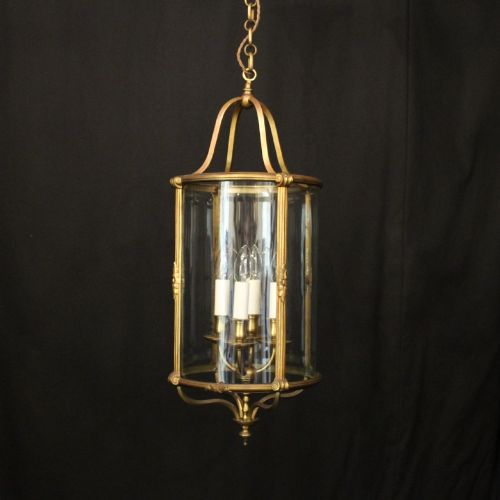
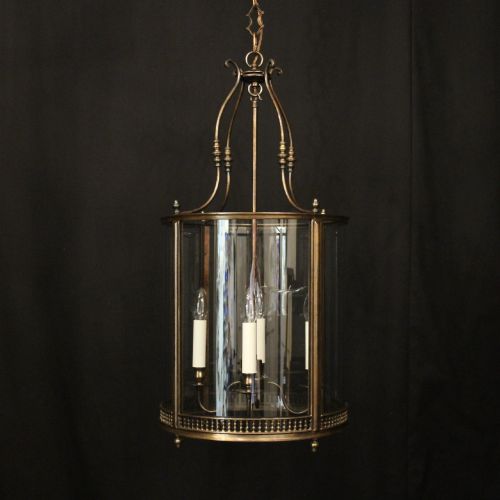
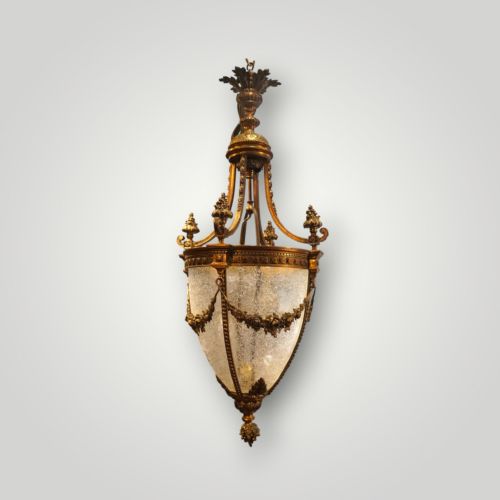
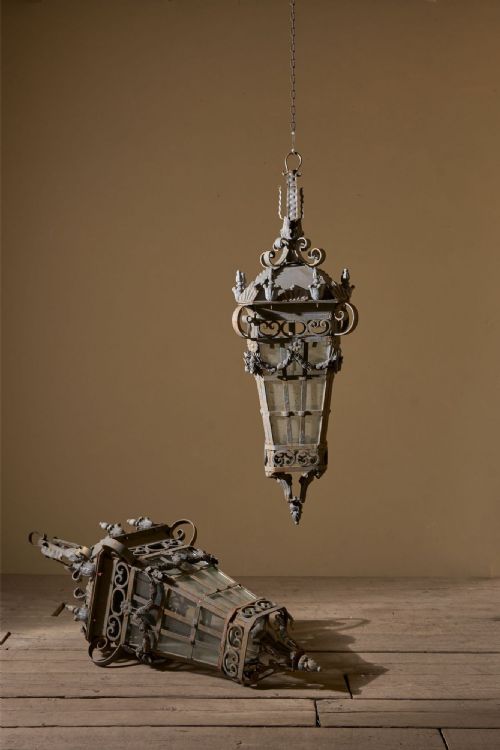
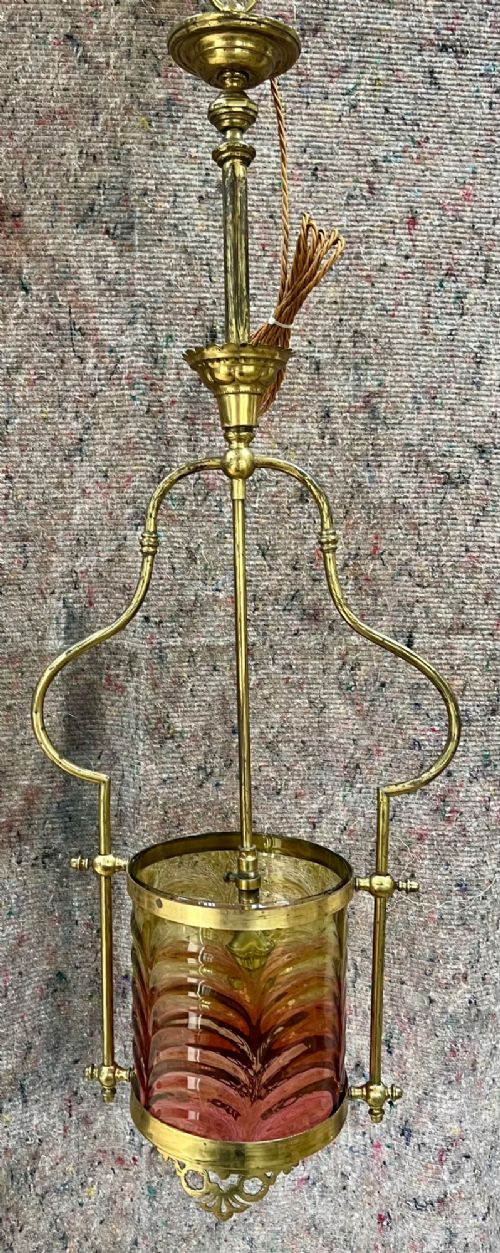
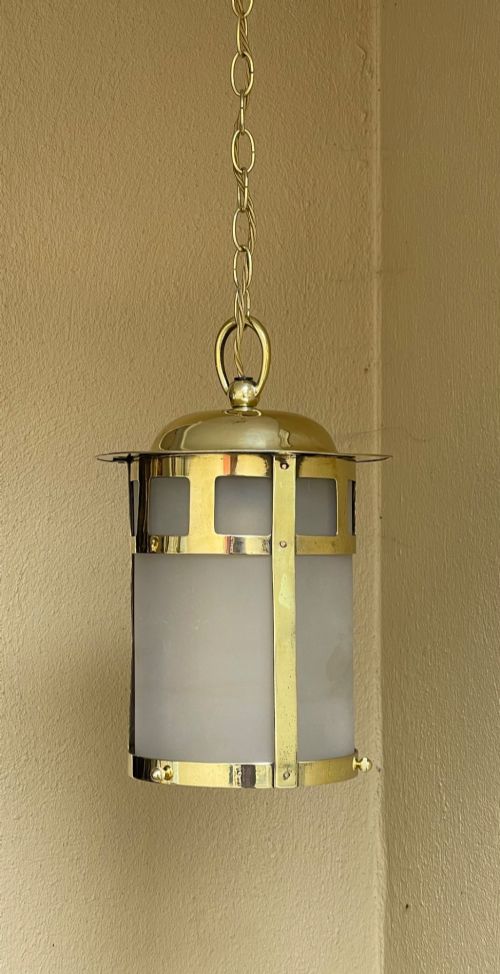
A hall lantern pendant light sits suspended in a hallway, porch or entryway, providing overhead illumination for passage. These hanging fixtures appear in shapes ranging from simple hexagonal boxes to grand rounded lanterns.
The pieces on this page span the Victorian and Edwardian eras alongside the 1920s and 1930s. French gilded designs and English brass fittings form a substantial portion of the available selection.
Makers produced these hanging lights to greet visitors at the threshold of a home. Buyers encounter everything from single-light brass frames to large multi-bulb fixtures designed for high ceilings.
Materials and construction methods
Metalwork forms the skeletal structure of these fixtures, utilising brass, gilt bronze, gilt brass, wrought iron and lead. Smiths and founders cast, hammered and soldered these metals into rigid frames designed to support glass panels.
Glass panels enclose the light source, featuring clear, etched, leaded, stained or hand-blown bullseye panes. Craftsmen secured these panes within the metal framework using lead cames or metal tabs to create durable hanging lanterns.
Listings feature materials spanning brass, gilt bronze, wrought iron, lead and glass across the Victorian, Edwardian and 1930s periods.
Distinguishing quality in period lanterns
Quality rests in the weight of the metal casting and the clarity of the glass. Heavier bronze or brass frames hold their shape better over decades of suspension, whilst hand-blown bullseye or deeply etched glass panels show superior artisan input.
The refinement of decorative details separates standard production pieces from finer examples. Crisp foliate casting, integrated door mechanisms and balanced proportions indicate greater care during original manufacture.
The Hall Lantern Pendant Light Glossary
- Hexagonal
- A six-sided geometric form frequently used for the frames of hall lanterns. This shape allows multiple glass panels to diffuse light evenly across an entryway.
- Gilt bronze
- Metal alloy treated with a thin layer of gold or gold-coloured finish. This material offers a warm metallic sheen that resists tarnishing in entranceways.
- Bulls-eye glass
- Thick glass containing a circular central protrusion formed during hand-blowing. It distorts light playfully and adds texture to a lantern panel.
- Leaded glass
- Individual pieces of glass joined together by strips of lead. This traditional technique creates sturdy windows within hanging light frames.
Hall Lantern Pendant Light: Frequently Asked Questions
How do I hang a hall lantern pendant light?
Suspension requires attaching the fixture securely to a ceiling joist using a matching chain and ceiling rose. Ensure the weight of the metal frame and glass panels is adequately supported by appropriate fixings.
Position the lantern at a height that clears household traffic whilst illuminating the doorway effectively. Professional installation by an electrician ensures safe wiring of older metal fixtures.
Are these lanterns wired for modern electricity?
Many period fixtures retain their historical wiring or have received updated electrical components during their lifetime. Buyers should inspect the internal lamp holders to confirm compatibility with current bulbs.
Rewiring older brass and bronze lanterns is straightforward for a qualified electrician. This process preserves the antique exterior while meeting modern safety standards.
How do I clean a glass and brass lantern?
Dust the metal framework regularly with a dry cloth to prevent the buildup of grime on brass and bronze surfaces. Avoid abrasive cleaners that might strip historical gilding or finishes.
Clean glass panels using a mild glass cleaner applied to a cloth rather than sprayed directly onto the fixture. This protects surrounding metalwork and delicate lead cames from moisture damage.
How do I tell Victorian lanterns from 1920s pieces?
Victorian and Edwardian lanterns often display heavier brass construction, Gothic Revival influences or formal hexagonal geometry. They frequently utilise leaded glass or ornate decorative castings suited to grand nineteenth-century homes.
Fixtures from the 1920s and 1930s lean towards French Neoclassical or Art Nouveau aesthetics, often featuring convex glass and gilt bronze finishes. These later designs frequently accommodate multiple light bulbs for brighter illumination.