

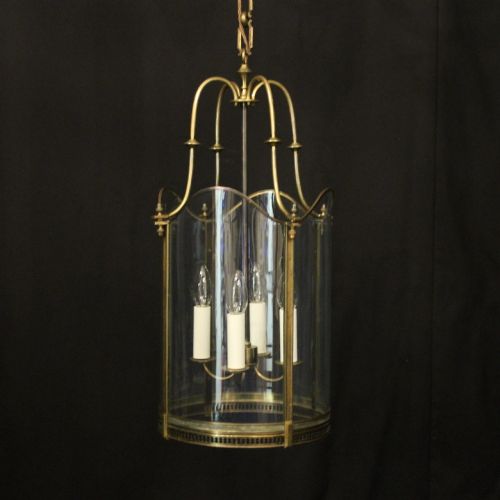
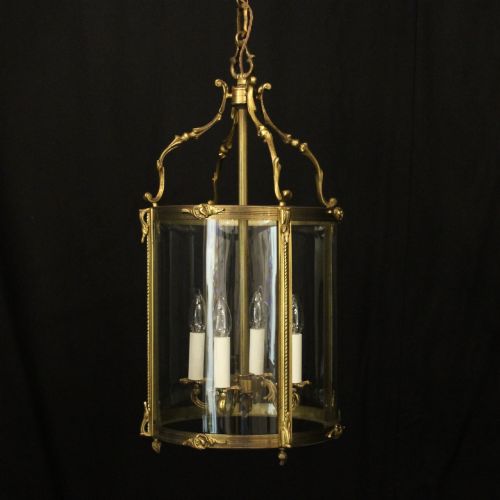
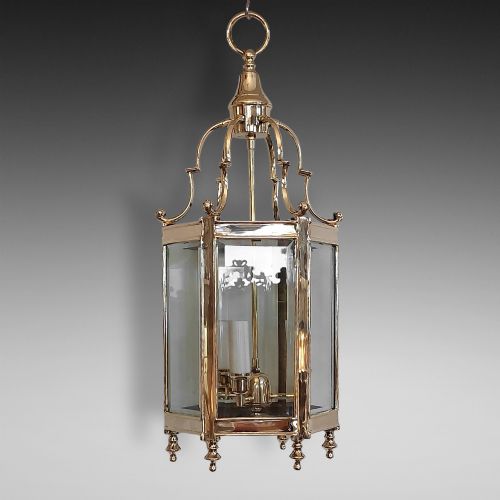

Hall Lantern Light
A hall lantern light illuminates an entrance hall, bringing functional presence and decorative focus from Victorian, Edwardian and early twentieth century origins.
Hall Lantern Light
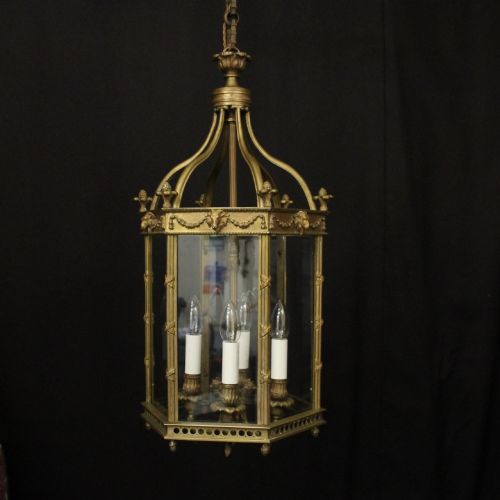
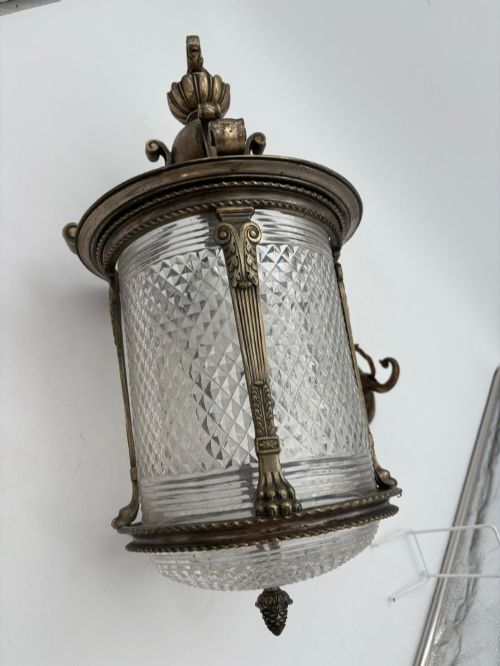
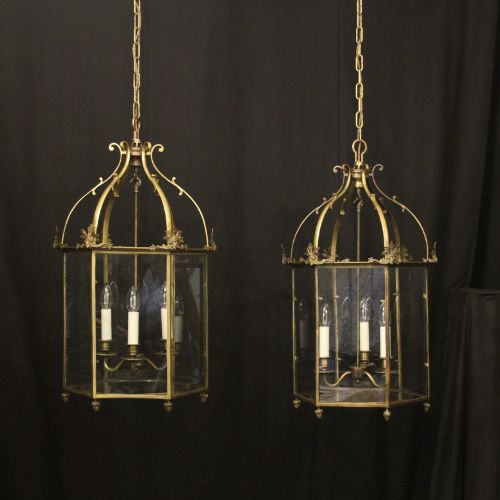
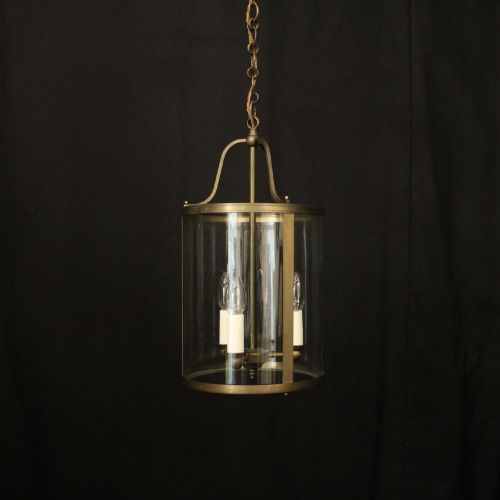
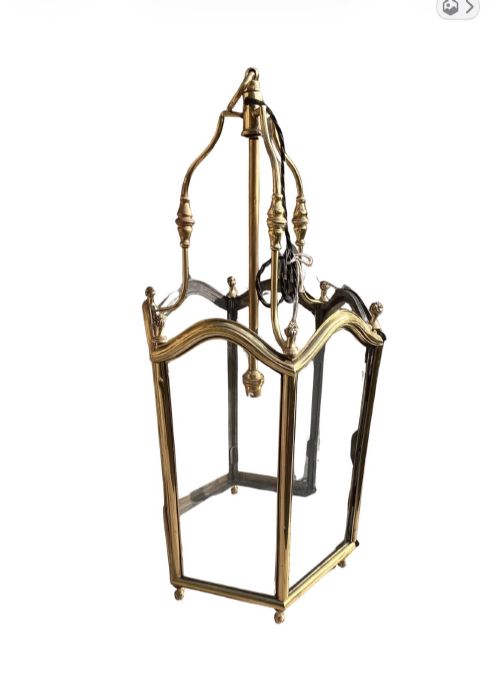
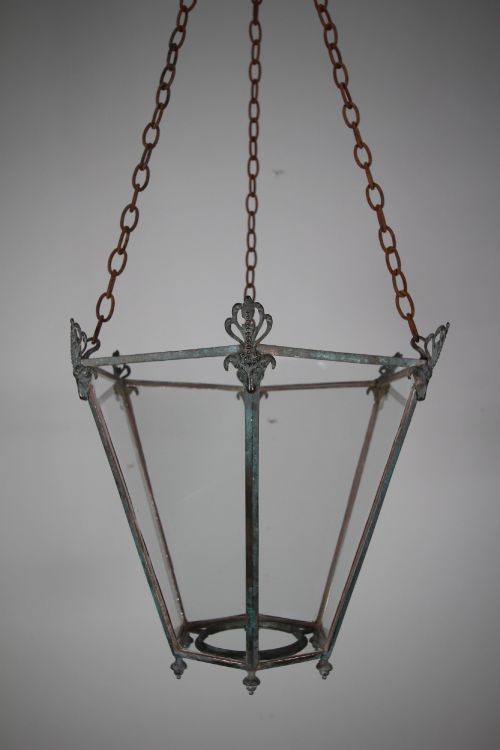
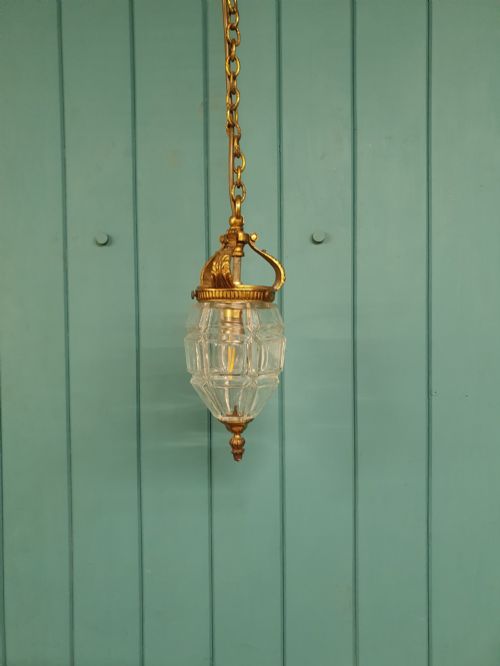
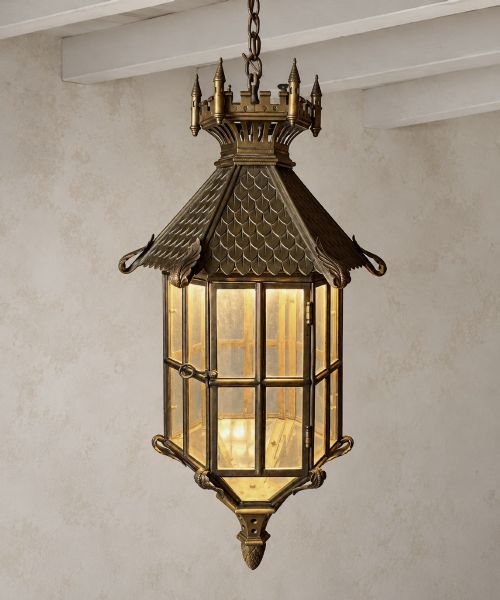
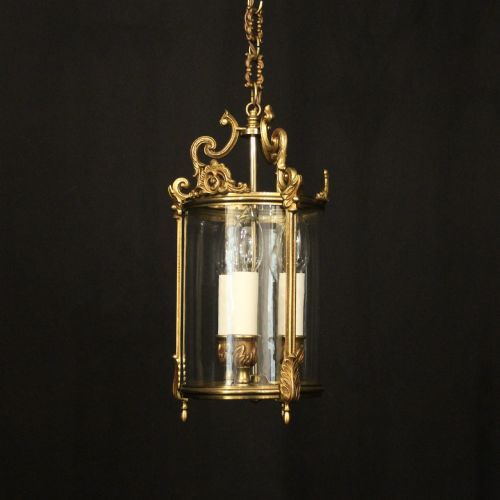
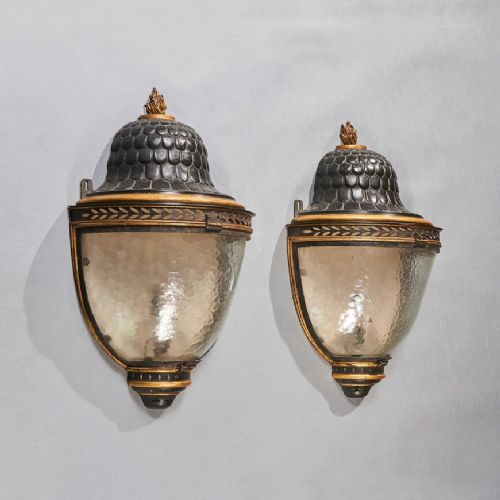
A hall lantern light serves to illuminate corridors and entrance spaces, appearing primarily in French and English designs from the nineteenth and early twentieth centuries. These pieces take various forms including hexagonal shapes, convex glass bodies and circular hanging fixtures designed for ceiling suspension.
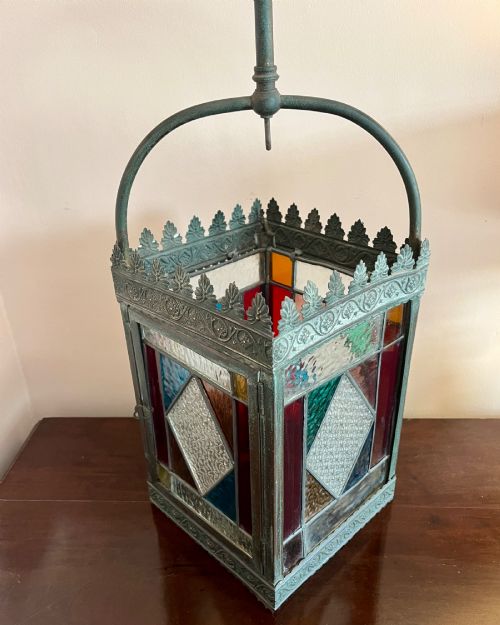
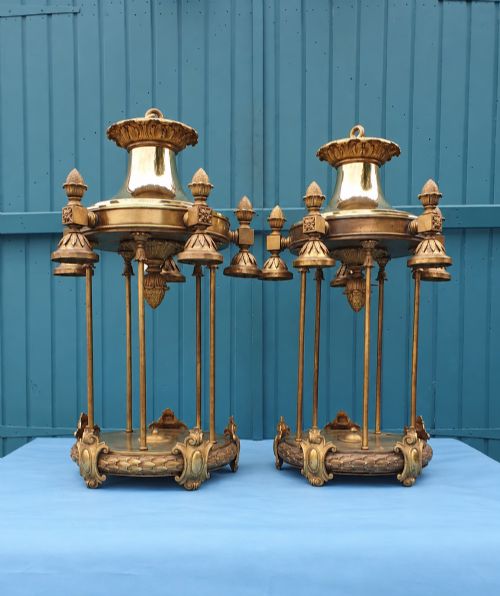
Makers and designers produced these fixtures in styles ranging from Gothic Revival and French Neoclassical to Arts and Crafts and Art Nouveau. The selection spans straightforward brass frames to substantial gilded bronze examples with multiple internal lights.
The versions most commonly met on this page date from the Victorian and Edwardian eras alongside the 1920s and 1930s. They combine structural metal frames with transparent or etched glass panels to distribute light effectively through narrow entryways.
Materials and Construction
Makers constructed these lighting fixtures using robust metals such as brass, gilt bronze, gilded bronze, wrought iron, bronze and lead. These structural elements support panes of clear, leaded, etched or hand-blown bullseye glass.
Metalworkers formed frames through casting, soldering and forging, applying finishes including parcel gilt details and gilding to enhance decorative impact. Glass panels were secured within frames using lead cording or metal flanges to form the lantern body.
Hall Lantern Light Retail Price Guide 2026
Typical asking prices for hall lantern light among the pieces listed under this phrase on Sellingantiques today, from the lower quarter to the upper quarter. They describe what is for sale here now, not the wider market.
Listings feature brass, gilt bronze and wrought iron materials spanning from 1860 through the Edwardian period and the 1930s.
Distinctions in Execution
Quality rests in the crispness of metal casting, the weight of the bronze or brass frame and the integration of decorative details like castellated crowns or etched glass motifs. Heavier gauge metals and refined surface gilding separate superior examples from standard production pieces.
The choice of glass significantly influences the character of the piece, with hand-blown bullseye panes or detailed acid-etched panels representing finer execution than simple flat glass. Joinery and structural rigidity also determine the longevity and architectural presence of each fixture.
The Hall Lantern Light Glossary
- Convex glass
- Curved glass panels that project outward from the lantern frame to diffuse light more widely across an interior space.
- Gilt bronze
- Bronze metal treated with a thin layer of gold or gold-coloured finish to provide a bright, reflective surface.
- Hexagonal form
- A six-sided geometric shape frequently utilised for the structural body of hanging entrance lanterns.
- Tole peinte
- Painted sheet metal used in decorative lighting fixtures, often found in paired wall lanterns from the nineteenth century.
- Bullseye glass
- Thick, circular blown glass panes featuring a central punt mark left during the traditional glassblowing process.
Hall Lantern Light: Frequently Asked Questions
Where should a hall lantern light hang?
These lanterns hang centrally in entrance halls, corridors and vestibules to provide primary illumination upon entry. Their downward projection suits high ceilings where the fixture can command the vertical space.
Positioning depends on clearance requirements and the proportions of the hallway. They function best when hung high enough to clear traffic while remaining visible as an architectural feature.
How do I identify a Victorian hall lantern light?
Victorian examples often display heavier brass or bronze frames with Gothic Revival influences or formal hexagonal geometries. They frequently incorporate leaded glass panels and substantial hanging loops.
Construction details such as heavy gauge metal framing and hand-finished components separate these nineteenth-century pieces from later twentieth-century reproductions.
What is the difference between French and English styles?
French lantern designs from the period tend to feature gilded bronze, convex glass panels and decorative elements derived from Neoclassical or Rococo traditions. They prioritise ornate surface finishing and curving silhouettes.
English variants often showcase straightforward brass construction, Arts and Crafts influences or geometric forms like simple hexagons. They lean toward structural clarity and functional utility.
Are these lanterns electrified for modern use?
Many surviving fixtures have been adapted with internal lamp holders to function with standard electrical wiring. Some retain historical side-mounted or ceiling suspensions converted for contemporary use.
Buyers should examine the internal wiring capacity to ensure compatibility with current safety standards while preserving the original metalwork.