


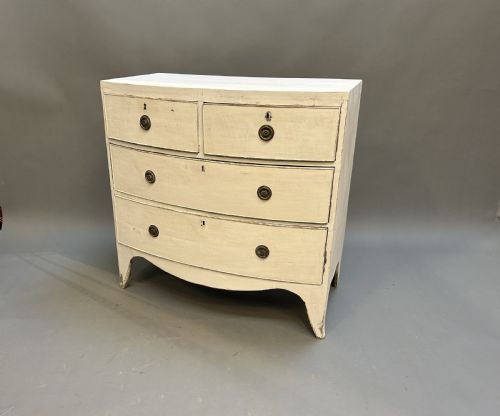


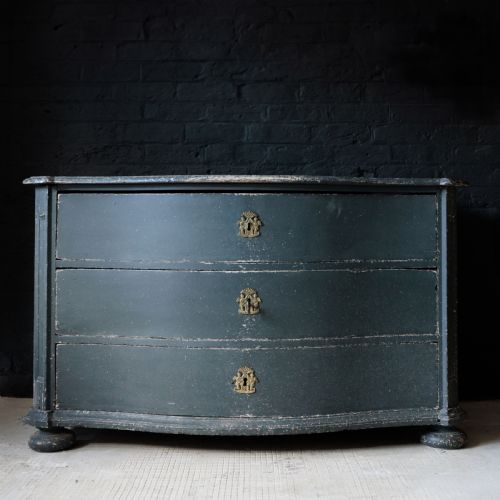
Gustavian Commode
A gustavian commode brings calm Scandinavian symmetry and muted painted surfaces to a room, offering practical storage with distinct neoclassical restraint.
Gustavian Commode
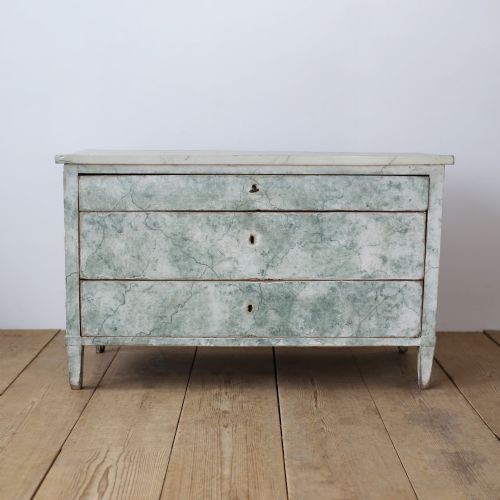
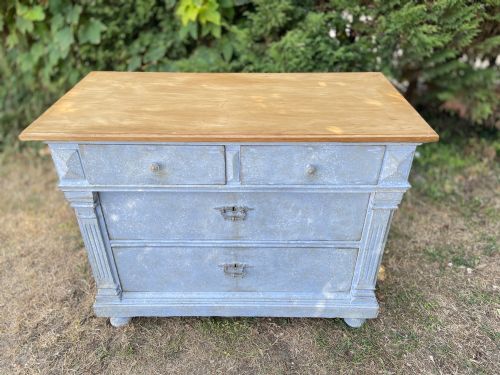
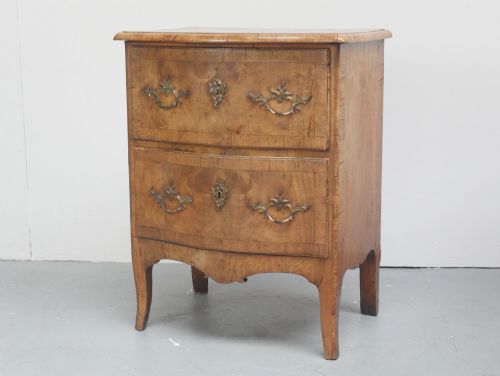
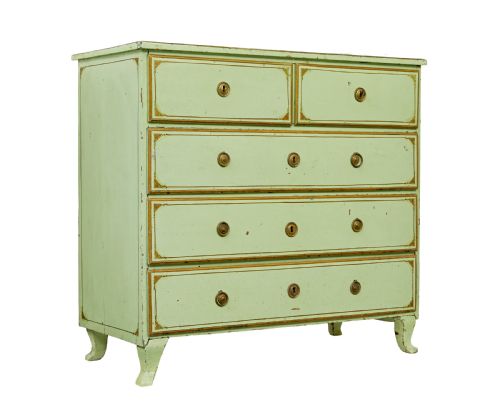
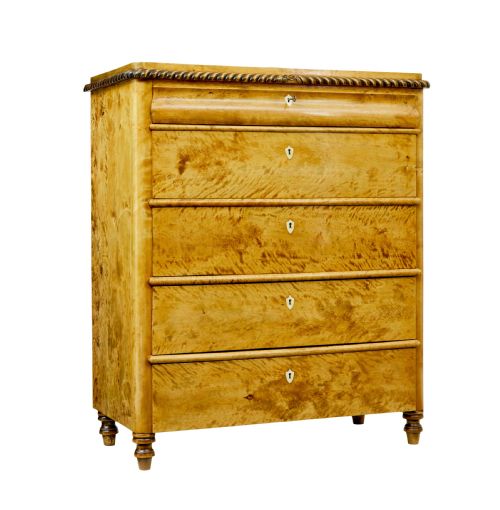
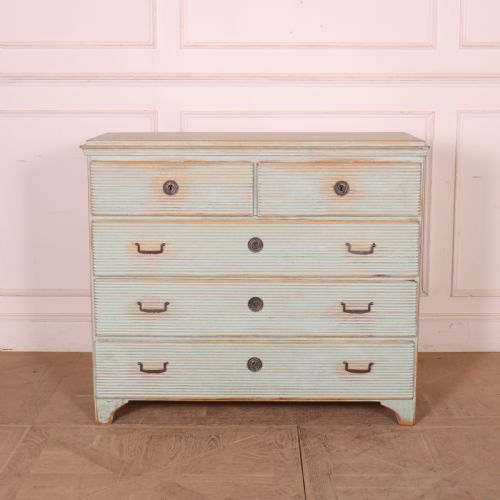
A gustavian commode is a drawer chest rooted in eighteenth and nineteenth-century Scandinavian cabinetmaking, drawing upon continental neoclassical lines. Buyers encounter pieces ranging from clean architectural eighteenth-century forms to nineteenth-century interpretations with serpentine fronts and fluted drawer faces.
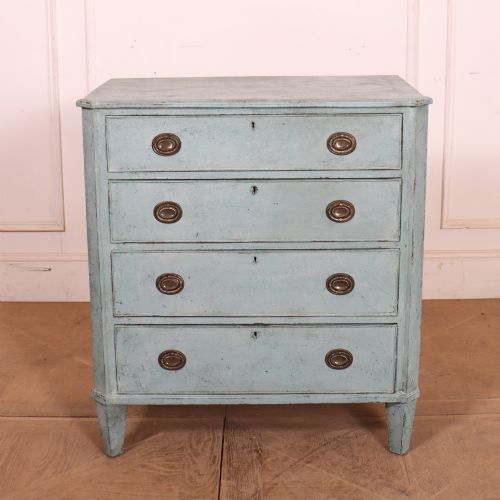
Most examples found on this page originate from Sweden, alongside select pieces from Denmark and the Netherlands. They appear predominantly as painted pine or figured birch chests of drawers, echoing provincial French and regional baroque influences adapted for northern interiors.
How they were made
Cabinetmakers constructed these chests using native timbers such as pine, oak, and birch, often selecting flame birch veneers for striking grain patterns. Metal fittings in brass and iron added functional detail to drawer pulls and key escutcheons.
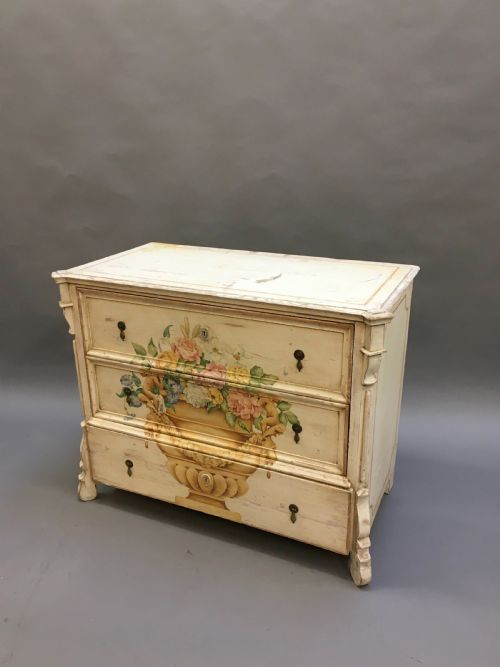
Surfaces were frequently finished with hand-applied paint, sometimes scraped back to reveal earlier layers or decorated with faux marble tops. Carved elements like fluting and diamond-point panels provided texture without heavy ornamentation.
Gustavian Commode Retail Price Guide 2026
Typical asking prices for gustavian commode among the pieces listed under this phrase on Sellingantiques today, from the lower quarter to the upper quarter. They describe what is for sale here now, not the wider market.
Listings feature pine, birch, oak, and ash timbers alongside painted wood surfaces and brass or iron hardware.
What varies in quality
Quality rests in the crispness of carved details, the stability of drawer construction, and the integrity of the timber beneath the surface. Superior pieces exhibit balanced proportions, refined serpentine curves, and tightly fitted joints that endure through generations.
The finish plays a significant role, as original or scraped paint surfaces carry greater authenticity than later redecorations. Subtle variances in regional joinery and the selection of figured birch woods distinguish standard workshop output from finer cabinet work.
The Gustavian Commode Glossary
- Serpentine
- A front shape curving outward in the centre and inward at the sides. This profile adds gentle movement to a case piece.
- Flame birch
- Timber cut to display a distinctive flickering grain pattern resembling flames. It is prized for decorative drawer fronts.
- Fluting
- Parallel shallow grooves carved vertically into wooden surfaces. It provides linear decoration on drawer styles or columns.
- Escutcheon
- A protective plate surrounding a keyhole, usually fashioned from brass or iron. It shields the surrounding wood from wear.
Gustavian Commode: Frequently Asked Questions
Where were gustavian commodes made?
These chests of drawers originate primarily from Sweden, reflecting Scandinavian interpretations of neoclassical design. Some related examples come from Denmark and the Netherlands.
Craftsmen in these regions adapted continental forms like French commodes into lighter, restrained designs suited to northern homes.
What woods are used?
Pine and birch are the predominant timbers found in these pieces, alongside occasional oak and ash. Birch is frequently used for its decorative grain, especially on drawer fronts.
Pine served as the standard structural and painted body timber for many Scandinavian case pieces.
Are the painted finishes original?
Many pieces retain historic or scraped paint finishes that show layers of time and use. Some examples have been redecorated by hand in muted grey tones during later periods.
Examination of the surface helps distinguish between early layered paint and modern decorative applications.
How do I style a commode?
These chests provide functional bedside or hallway storage while introducing architectural character to a room. Their neutral painted surfaces and timber grains pair easily with varied interior schemes.
Placing one beneath a mirror or artwork highlights the clean neoclassical lines and balanced proportions.