

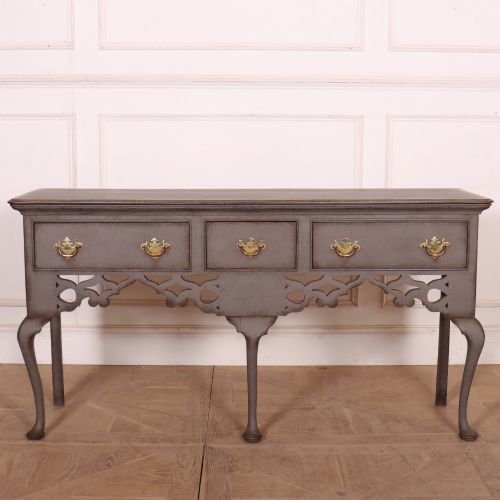


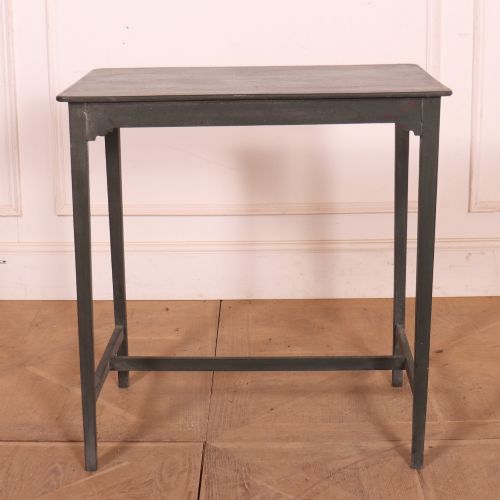


Grey Wood Console
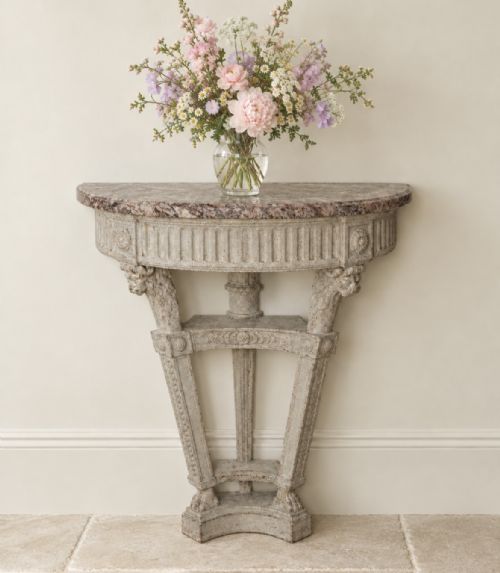
A grey wood console table anchors a hallway with period character, offering a narrow surface for display that suits compact spaces.
Grey Wood Console
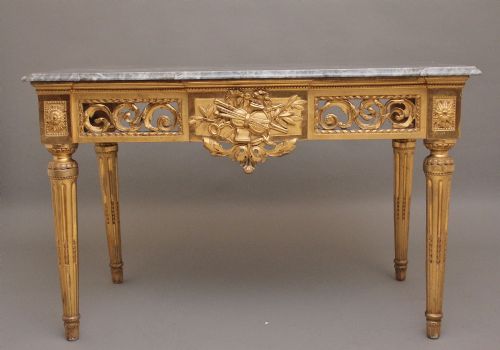
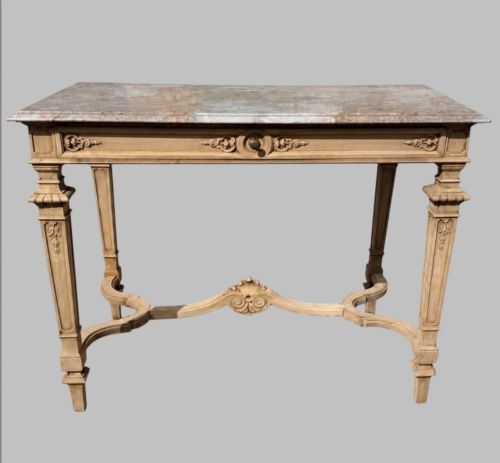
A grey wood console is a narrow table designed to sit flat against a wall, frequently topped with marble or timber. The selection spans pieces from the eighteenth century through to the early twentieth century, taking forms such as French Rococo, Neoclassical, and English Country styles. You will encounter console tables, side tables, and servers alongside wall brackets and drapers tables.
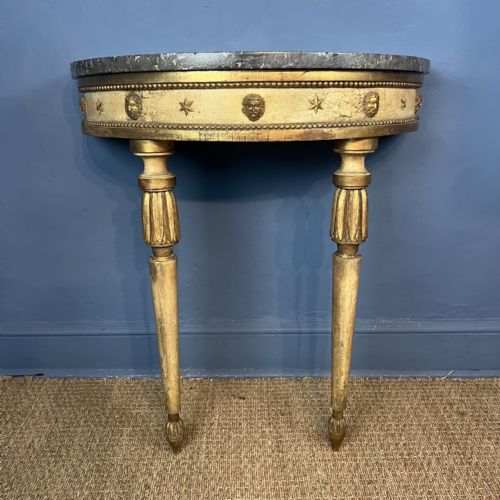
The regional variety is wide, featuring Italian giltwood designs, French chateau pieces, Swedish demi-lune tables, and English oak examples. Many items display painted finishes in cream or grey alongside bleached wood surfaces and parcel gilt highlights. These tables served grand reception rooms, country houses, and provincial homes alike.
Materials and Construction
Makers utilised timber such as oak, walnut, pine, and mahogany as the structural base for these tables. Carved wood details, giltwood embellishments, and layered paint finishes were applied to achieve the desired decorative effect.
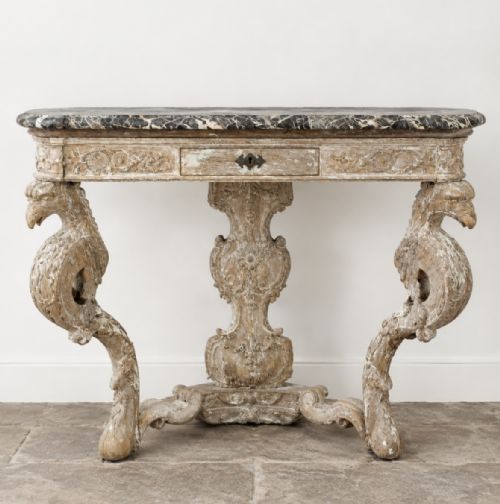
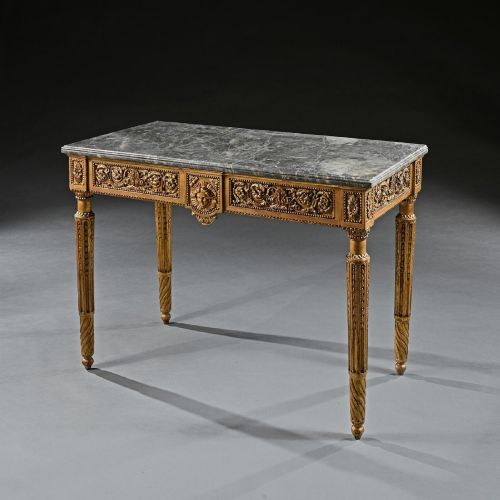
Many of the finest examples incorporate heavy marble slabs fitted to the timber frame, while others rely entirely on carved and painted wood tops. Joinery methods reflect the specific period of manufacture, from eighteenth-century hand-carved elements to later nineteenth-century production techniques.
Grey Wood Console Retail Price Guide 2026
Typical asking prices for grey wood console among the pieces listed under this phrase on Sellingantiques today, from the lower quarter to the upper quarter. They describe what is for sale here now, not the wider market.
Several carpenters appear to have left their benches behind, as antique workbenches now double as sturdy console tables.
Assessing Quality
The refinement of the carving distinguishes standard pieces from exceptional examples, with crisp floral motifs and deep relief work showing superior craftsmanship. Original painted surfaces and authentic parcel gilding carry more weight than later repainting.
The integration of the marble top with the wooden base indicates the original design ambition of the piece. Proportion and structural balance across larger servers and serpentine fronts also dictate the standing of an individual table.
The Grey Wood Console Glossary
- Console table
- A table designed to be fixed against a wall, frequently supported by two front legs and secured by brackets at the back. These pieces originated in seventeenth-century France and became staples of formal interiors.
- Demi-lune
- A half-moon shape used for table tops and furniture frames. This curved form allowed tables to sit flush against a wall while softening the room's geometry.
- Giltwood
- Timber that has been coated with a thin layer of gold leaf or gold paint. It was extensively utilised during the eighteenth century to catch candlelight in reception rooms.
- Serpentine
- A furniture front or top shaped with a double curve, convex in the centre and concave at the ends. This undulating contour demands precise carpentry.
- Overmantel mirror
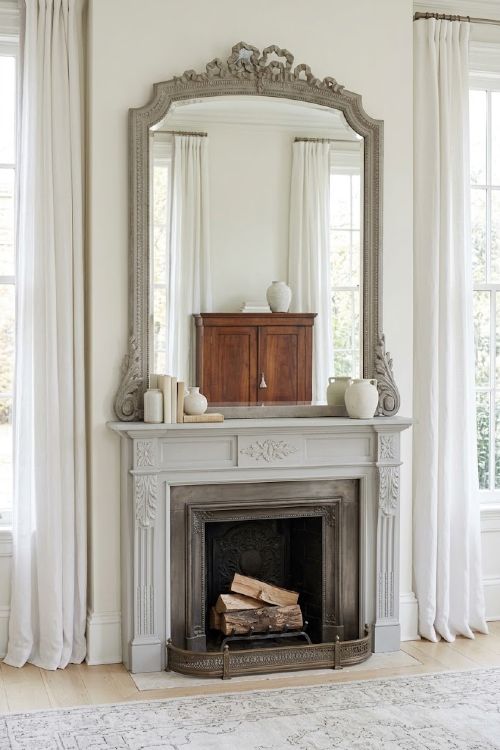
- A large looking glass designed to hang directly above a fireplace mantel. They frequently share decorative motifs with matching console tables.
Grey Wood Console: Frequently Asked Questions
Where should I place a console table?
A grey wood console sits best in an entrance hall, narrow landing, or living room where floor space is limited. Its shallow depth allows it to provide a display surface without blocking walkways.
Pairs of console tables can also balance a long corridor or frame a architectural doorway when placed symmetrically.
How do I care for a marble top?
Marble surfaces require protection from acidic liquids such as wine, vinegar, and citrus juices, which can etch the polished stone. Use coasters and mats under glasses and decorative objects.
Clean the stone regularly with a damp cloth and mild, non-abrasive soap, avoiding harsh chemical cleaners that strip the polish.
What is the difference between a console and a side table?
Console tables are specifically designed to stand against a wall and traditionally relied on wall brackets or rear legs for stability. Side tables are freestanding items that can float anywhere within a room.
In practice, many antique tables are described as side or console tables interchangeably depending on their proportions.