

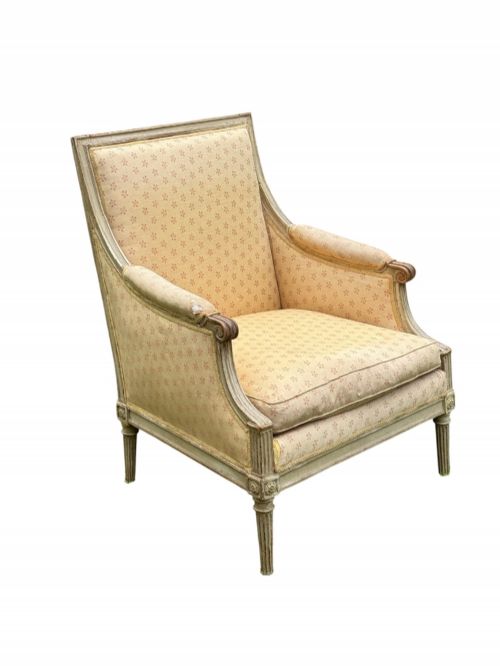
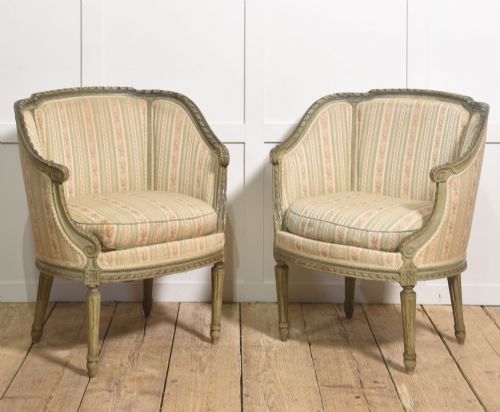


Grey Upholstered Seat
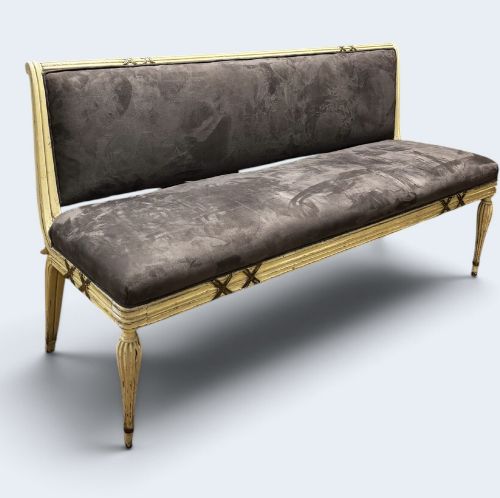
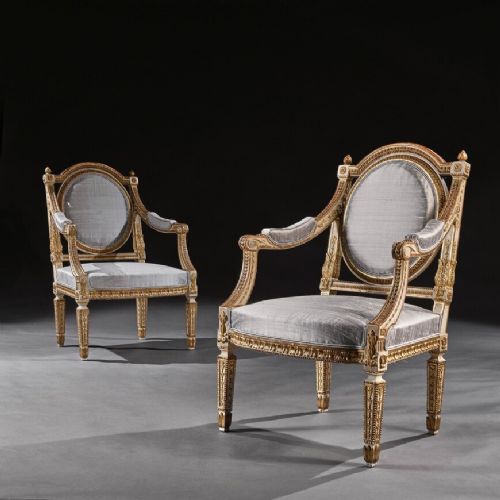
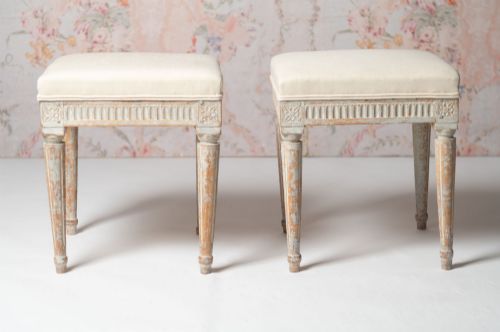
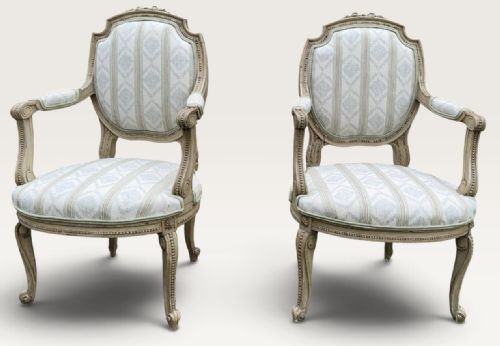
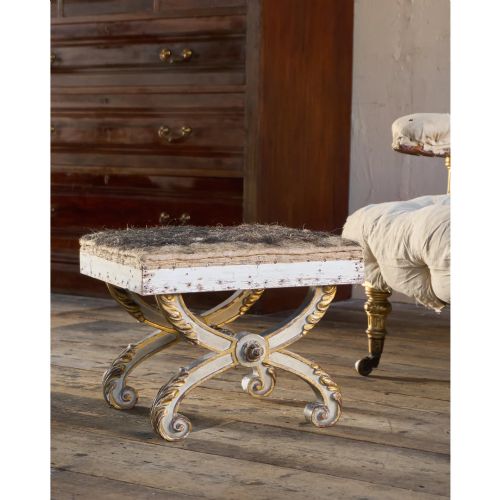
Grey upholstered seat designs bring together centuries of craftsmanship, ranging from French painted armchairs to Swedish stools.
Grey Upholstered Seat
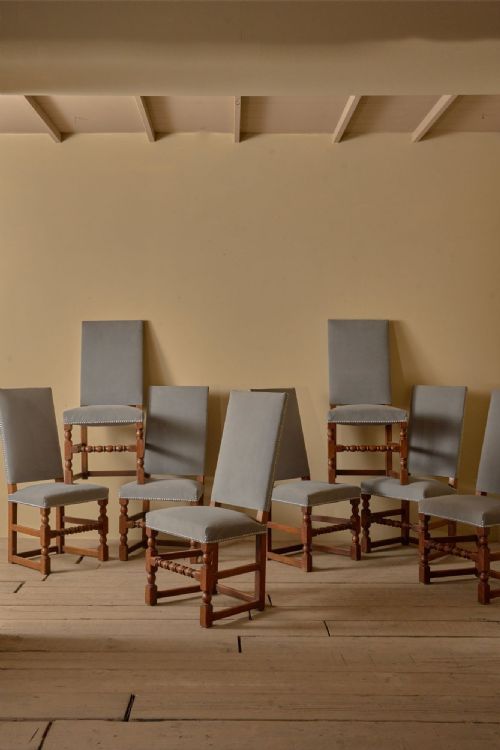
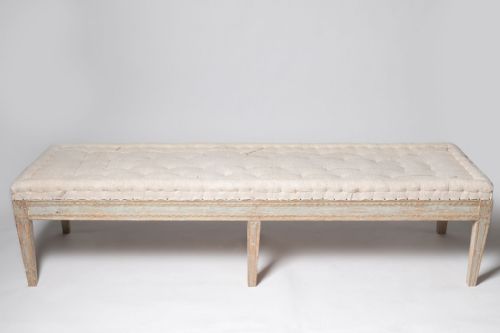
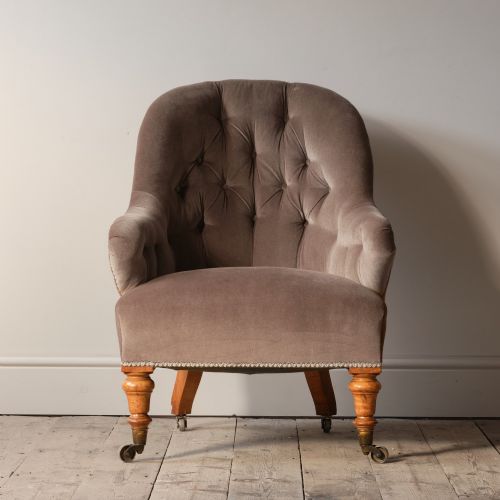
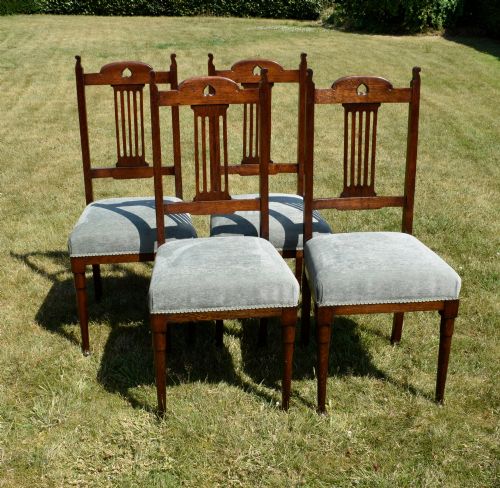
A grey upholstered seat encompasses a variety of historical forms designed for domestic comfort, including armchairs, dining chairs, sofas, and stools. When exploring a grey upholstered seat, buyers frequently encounter pieces originating from French, English, and Swedish workshops across the eighteenth, nineteenth, and early twentieth centuries.
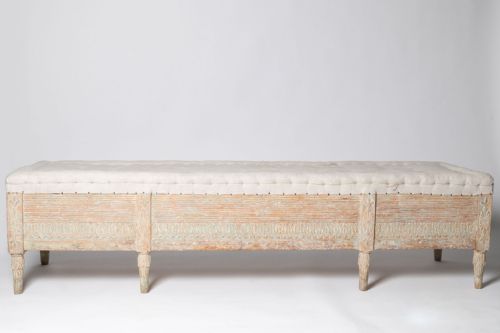
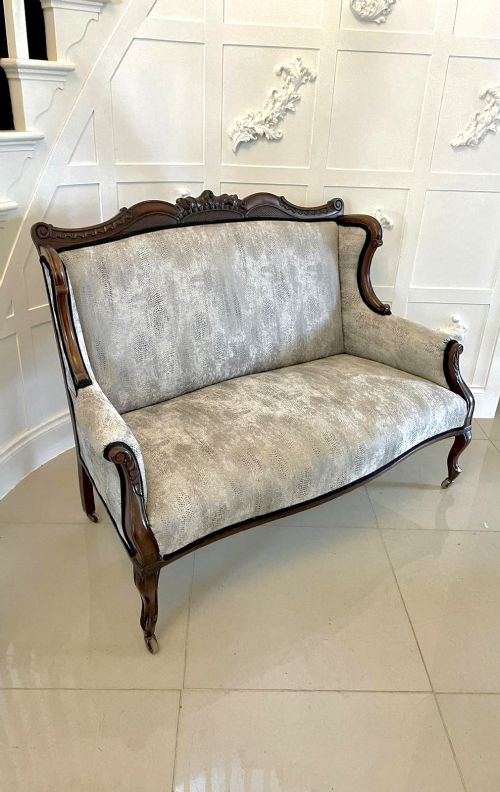
The selection ranges from carved mahogany Victorian sofas and Edwardian window seats to Louis XVI style armchairs and Gustavian benches. These seating options reflect shifting domestic requirements over time, moving from formal parlour arrangements to relaxed country house settings.
Materials and construction methods
Makers utilised a range of timbers for the frames, predominantly mahogany, walnut, oak, and fruitwood, alongside painted and parcel gilt surfaces. Structural stability relied on traditional joinery techniques appropriate to the period, such as mortise and tenon joints.
Upholstery involved supportive stuffing materials housed within fabrics like linen, silk, ticking, and standard upholstery fabric. Decorative elements frequently included carved woodwork, geometric marquetry inlay, or exposed brass details.
Grey Upholstered Seat Retail Price Guide 2026
Typical asking prices for grey upholstered seat among the pieces listed under this phrase on Sellingantiques today, from the lower quarter to the upper quarter. They describe what is for sale here now, not the wider market.
One extraordinary nineteenth-century Victorian armchair arrives boldly upholstered to resemble a tweed jacket, complete with simulated lapels and buttons.
Factors influencing execution and finish
Quality reveals itself in the precision of the frame carving and the integrity of the underlying woodwork. Finer examples display crisp detail in painted or gilt surfaces and substantial timber framing that maintains structural rigidity.
The sophistication of the design, whether adhering to Neoclassical, Louis XV, or Arts and Crafts principles, dictates the overall character. Preservation of original finish elements, such as early paint layers or traditional upholstery styling, further defines the execution.
Miles and Edwards·Henri Jacob·Howard and Sons·Howard and Co
The Grey Upholstered Seat Glossary
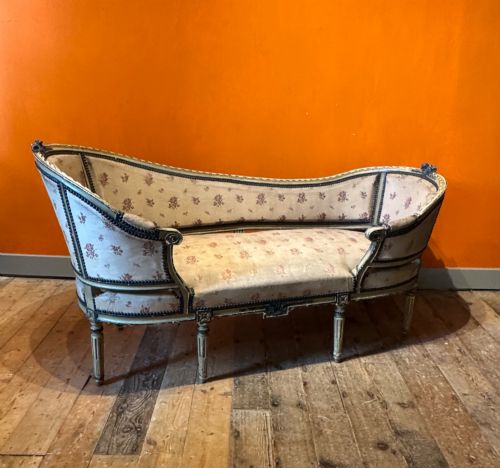
- Duchesse brisee
- A two or three-part chaise longue arrangement designed for reclining. It combines an armchair with one or two footstools to form a continuous surface.
- Gustavian style
- The Swedish interpretation of French neoclassical design, characterised by restrained carving, pale painted finishes, and balanced proportions.
- Marquetry
- Decorative inlay work using pieces of wood veneer fitted into a supportive ground to form geometric or floral patterns.
- Cabriole leg
- A furniture leg that curves outward at the knee and tapers inward toward the ankle, commonly ending in a pad or scroll foot.
Grey Upholstered Seat: Frequently Asked Questions
How do I identify a Gustavian seat?
Gustavian pieces typically feature pale, muted paint treatments and restrained neoclassical detailing inspired by French royal furniture. The lines remain straight and measured rather than heavily curved.
Look for simplified fluting and subtle carving on beech or pine frames dating from the eighteenth or early nineteenth century.
Where were open armchairs used?
Open armchairs served as principal seating in formal drawing rooms, parlours, and libraries throughout the eighteenth and nineteenth centuries. They provided comfortable seating that accommodated bulky historical garments.
Later variations found places in bedrooms, halls, and intimate sitting areas across English and continental homes.
What is a club fender?
A club fender is a low, brass-framed hearth accessory featuring upholstered bench seats on either side. It allowed people to sit close to an open fireplace.
Originating in nineteenth-century gentlemen's clubs, these pieces combined metal structural work with durable fabric covers.
How do I care for antique upholstery?
Maintenance requires gentle vacuuming with a soft brush attachment to remove dust without stressing the underlying textile. Keep wooden frames nourished with appropriate furniture wax.
Protect the fabric from direct sunlight to prevent fading and preserve the historical integrity of the material.