




Grey Pencil Sketch
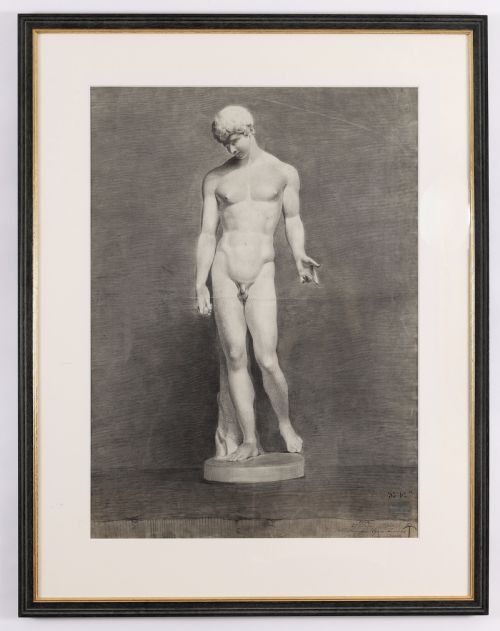
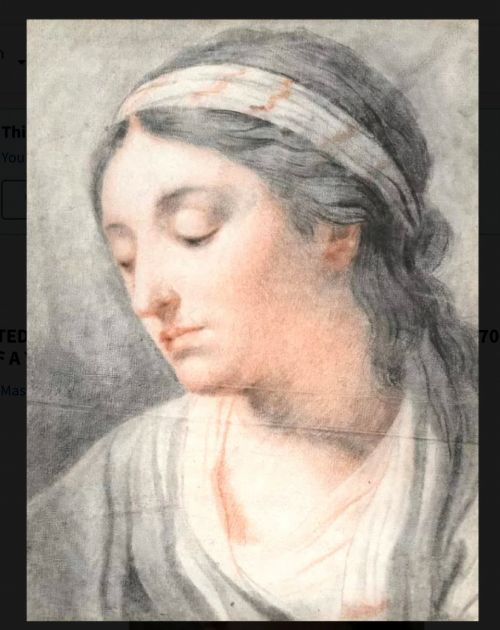
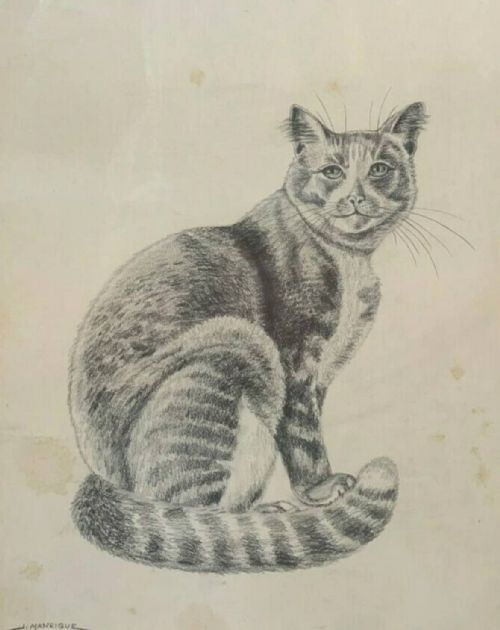
These grey pencil sketch works bring intimate character to a room, offering immediate hand-drawn detail through graphite on paper.
Grey Pencil Sketch
A grey pencil sketch captures a direct moment in monochrome, ranging from rapid portrait studies to detailed townscapes and allegorical scenes. When searching for grey pencil sketch, you encounter original drawings on paper spanning several centuries from the eighteenth to the mid-twentieth century.
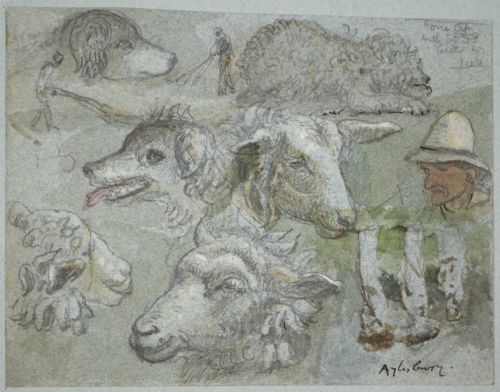
The selection here includes framed original artwork, portrait drawings, and mixed media pieces combining pencil with watercolour or chalk. Works extend across various stylistic movements from Victorian academic studies to early twentieth-century modern British art and Art Deco depictions.
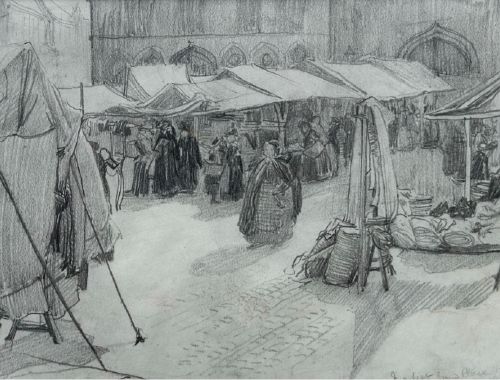
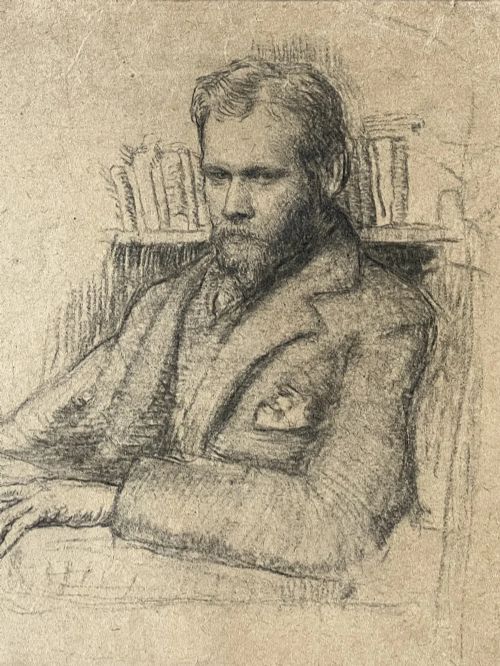
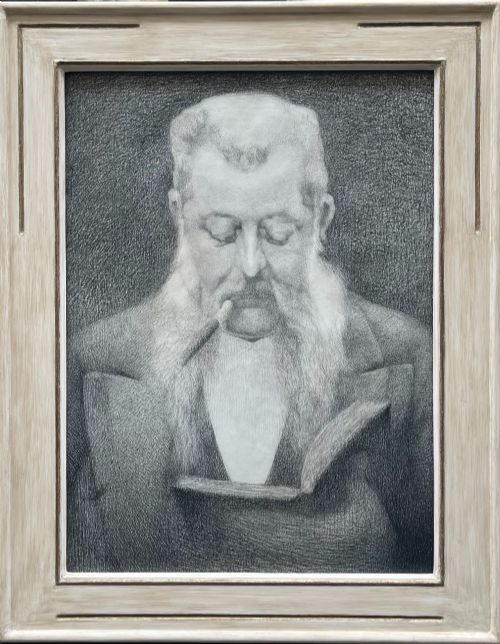
Subjects vary widely from intimate human portraits and animal studies to architectural views like High Bridge, Lincoln, and Bruges Market. These pieces showcase the immediate touch of the artist's hand before any final painting took place.
Materials and Technique
The core medium across these works is graphite and pencil on paper, sometimes augmented with charcoal, chalk, or subtle watercolour washes to add tone and depth. Paper forms the primary support, preserved within traditional wooden and glass frames.
Artists utilised varied pressure and shading techniques to build form and shadow, relying entirely on monochrome gradation rather than full colour palettes. This disciplined approach highlights precise line work, cross-hatching, and tonal blending.
Grey Pencil Sketch Retail Price Guide 2026
Typical asking prices for grey pencil sketch among the pieces listed under this phrase on Sellingantiques today, from the lower quarter to the upper quarter. They describe what is for sale here now, not the wider market.
A cheeky dog observes kitchen activities alongside silent circus performers and smokers in top hats.
Assessing Quality and Execution
Quality rests on the confidence of the draughtsmanship and the expressive capability shown through minimal line work. Superior pieces demonstrate anatomical precision or structural clarity, capturing personality and atmosphere without relying on heavy layering.
Condition of the paper and the preservation of delicate graphite or chalk marks significantly influence the integrity of a piece. Works that retain crisp contrast and stable paper supports without excessive toning represent the finer examples.
Henry Percy Huggill·James Smetham·Augustus John·Marie Leczinska·François-André Vincent·J Manrique·Dame Laura Knight·Fred Lawson·Alexandre Decamps·Leo Klin·Francis Dodd·Cecil CP Lawson
The Grey Pencil Sketch Glossary
- Graphite
- A crystalline form of carbon used as the primary marking core in pencils. It produces lustrous grey or metallic black marks that vary in tone depending on hardness.
- Grisaille
- A painting or drawing executed entirely in shades of grey or neutral monochrome. It often serves as a standalone study or preparatory method for larger compositions.
- Attributed to
- A designation used when a work shows the style of a known artist but lacks definitive signature or documentation to confirm absolute authorship.
- Symbolist
- An artistic movement from the late nineteenth century focusing on metaphorical images, inner psychological states, and dream-like or allegorical narratives rather than strict realism.
Grey Pencil Sketch: Frequently Asked Questions
How do I frame antique drawings?
Protect works on paper by using acid-free mounts and UV-filtering glass to prevent fading and deterioration from sunlight. Keep framed pieces away from direct sources of heat and damp environments.
Ensure the paper does not touch the glass directly, allowing a small air gap for breathability within the frame structure.
What is the difference between a sketch and a study?
A sketch is typically a rapid preliminary recording of a scene or idea, capturing movement or immediate visual notes. A study is often more deliberate and detailed, focusing on a specific element like a hand or portrait expression.
Both offer direct insight into an artist's working process before undertaking a finished canvas.
How do I identify the period of a drawing?
Look closely at paper watermarks, framing styles, inscriptions, and the distinctive clothing or hairstyles of portrait subjects. Stylistic traits such as Victorian academic hatching or Art Deco linework provide further chronological clues.
Signatures and gallery labels on the reverse often supply definitive dates or historical exhibition records.
Can pencil drawings be hung in bright rooms?
Graphite and watercolour works on paper remain sensitive to prolonged direct sunlight, which can fade pigments and discolour paper supports over time. Position them on walls that receive indirect ambient light rather than harsh sunbeams.
Using museum-grade conservation glass helps filter harmful ultraviolet rays while displaying the delicate details.