

Grey Painted Wood Carving
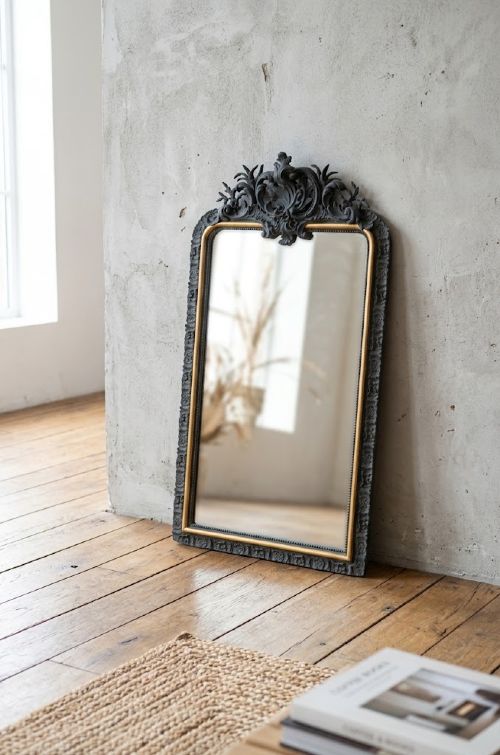
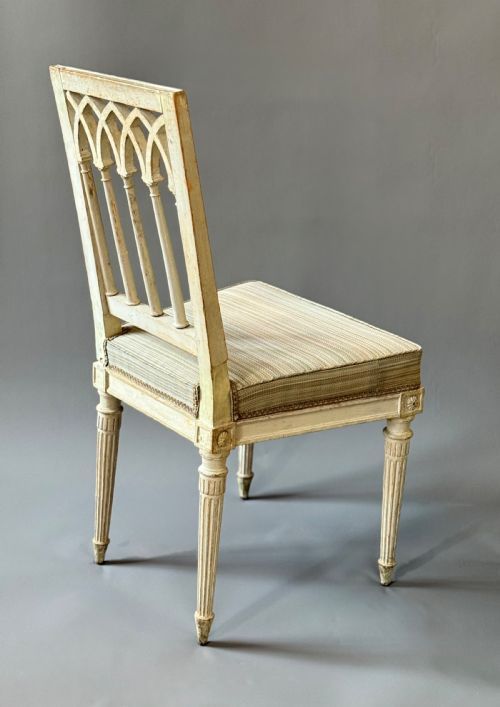
Grey painted wood carving brings together softly weathered surfaces and hand-chiselled detail, spanning seating, mirrors and decorative figures from the eighteenth century onwards.
Grey Painted Wood Carving
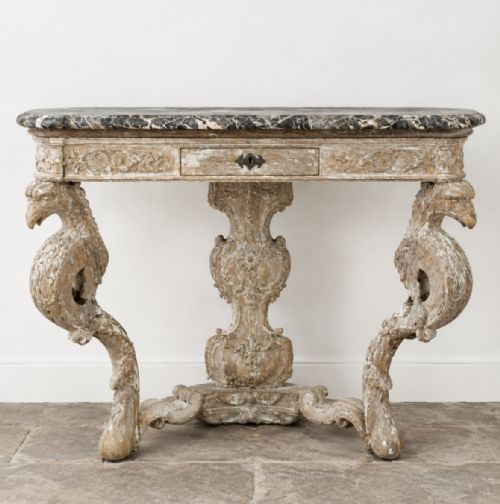
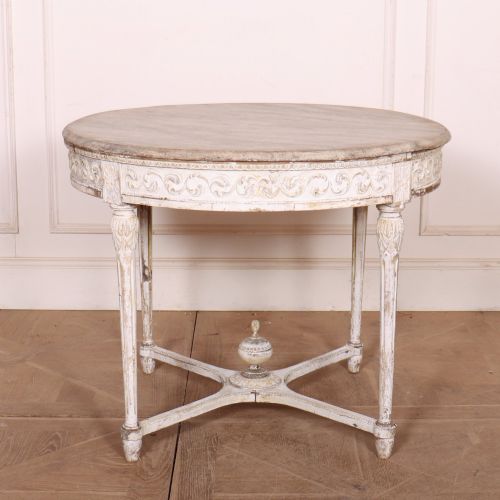
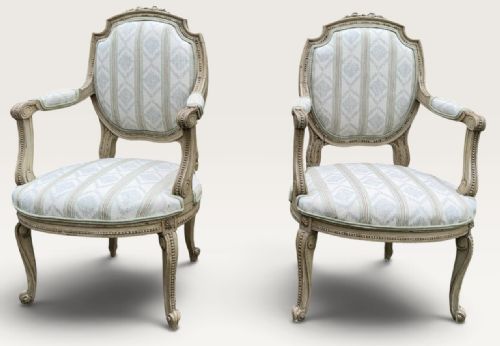
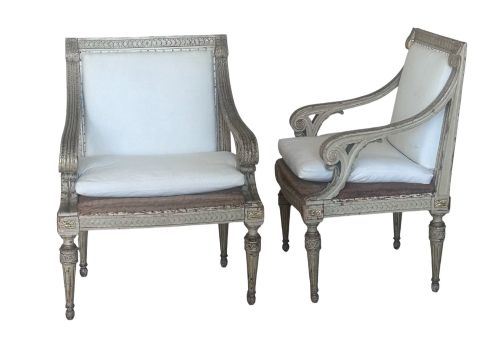
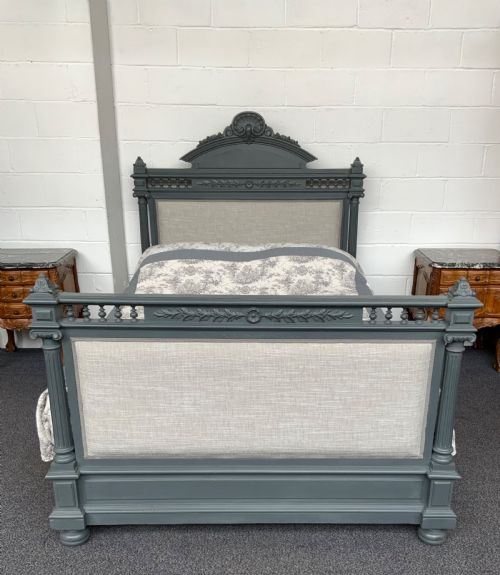
Grey painted wood carving encompasses a wide variety of domestic objects, from structural furniture like console tables and armchairs to sculptural panels and mirrors. When searching for grey painted wood carving, buyers encounter pieces primarily originating from French, Swedish and English workshops across the eighteenth, nineteenth and early twentieth centuries.
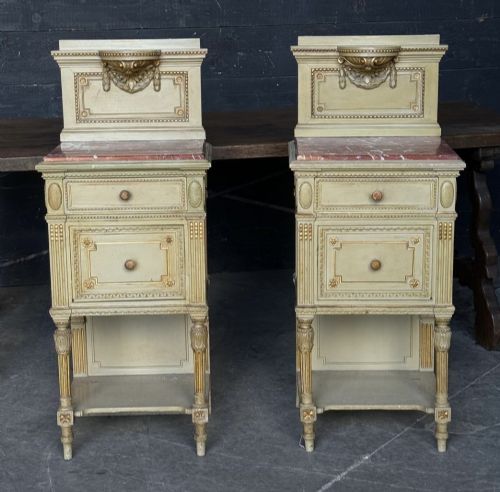
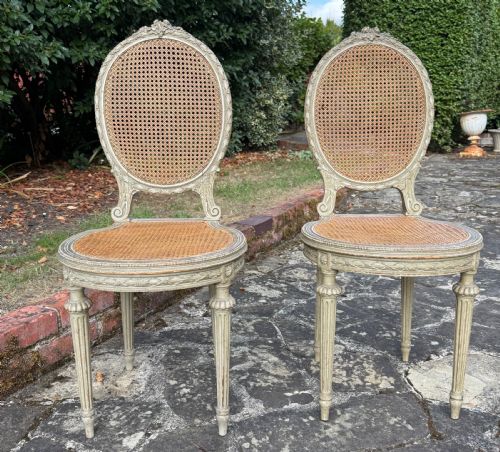
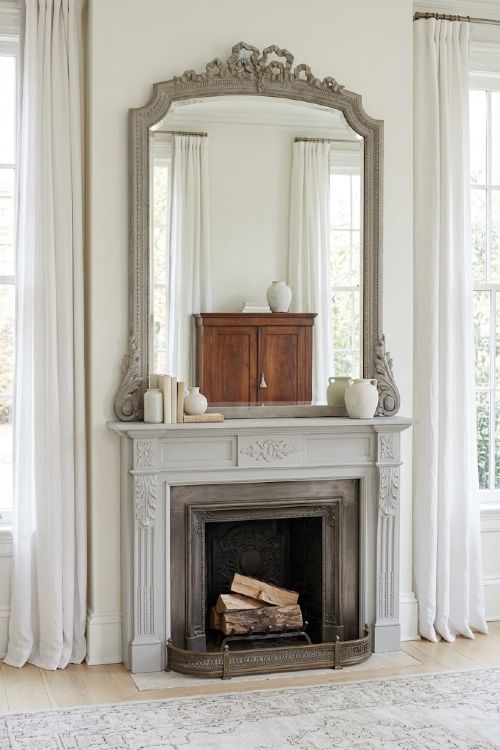
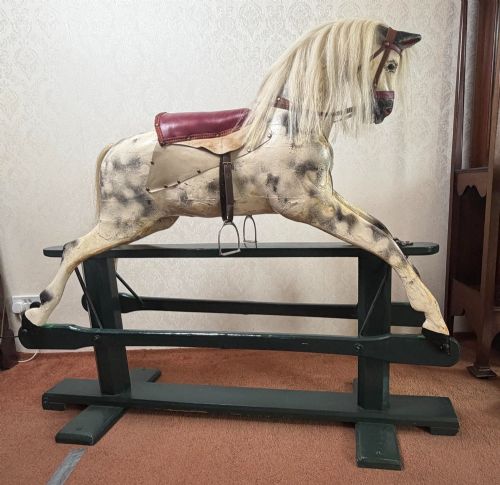
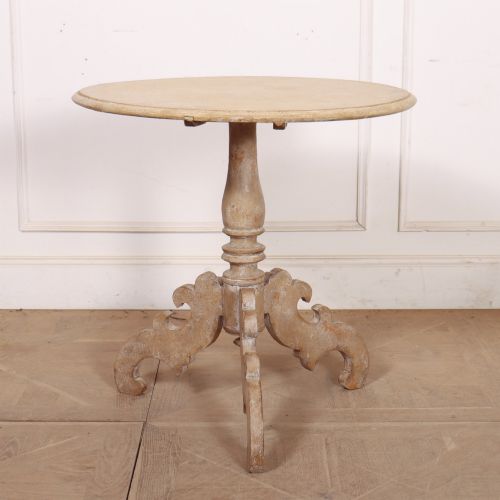
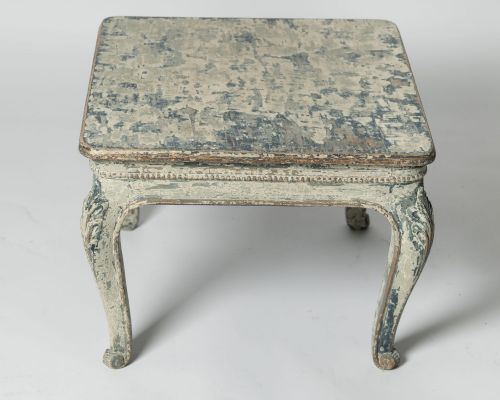
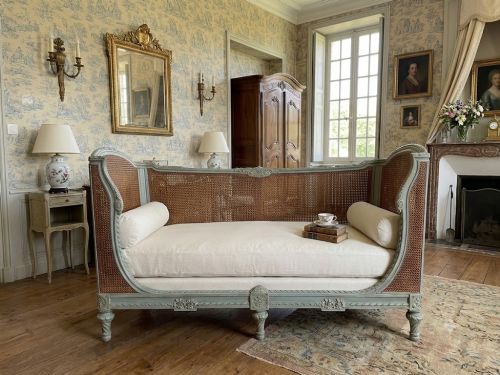
The selections available range from grand overmantel mirrors and seating framed in Louis XV or Louis XVI styles to practical items such as lamp tables, footstools and decorative decoy pigeons. Many of these items reflect provincial interpretations of formal court designs, adapting classical motifs into softer regional idioms.
Materials and construction
Artisans carved these forms directly from solid timber substrates, applying layers of gesso to smooth the surface before adding paint finishes and occasional parcel gilt highlights. This traditional method created a stable foundation for decorative pigments that aged alongside the underlying wood.
Joinery techniques varied according to the object type, utilising pegged joints for seating frames and heavy structural framing for console tables and architectural brackets. Surfaces frequently display the cumulative effect of historic paint layers and natural wear over decades of use.
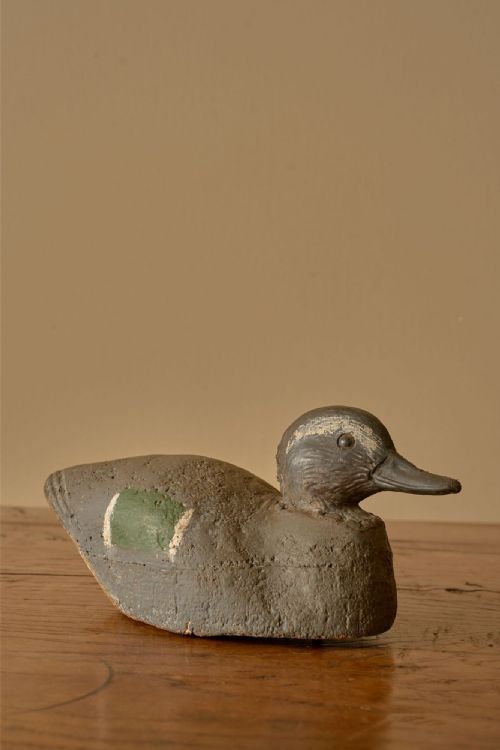
Wooden decoy pigeons and ducks from around 1900 sit comfortably among aristocratic console tables and gilded armchairs.
Assessing quality and depth
The calibre of a piece rests heavily on the crispness and depth of the hand carving itself, particularly in floral swags, scrolls and figurative elements. Superior examples maintain sharp relief and proportion even beneath accumulated coats of paint.
The integrity of the original surface finish also dictates distinction, as untouched layers of paint hold greater historical interest than later overpainting. Well-balanced proportions and structural authenticity further separate standard utilitarian items from master-carved salon furniture.
G & J Lines of London·Miles & Edwards
The Grey Painted Wood Carving Glossary
- Gesso
- A plaster-like mixture applied to wood surfaces to prepare them for painting or gilding. This ground layer provides a smooth plane for fine details.
- Trumeau
- A decorative wall mirror or panel featuring an integrated painted or carved scene above the glass. These architectural elements frequently date from the eighteenth and nineteenth centuries.
- Bergère
- An enclosed upholstered armchair with wooden framing exposed around the sides and back. The carved wooden components are often painted to match the interior decor.
- Parcel Gilt
- A decorative treatment where portions of a painted object are highlighted with thin layers of gold leaf. This technique emphasises specific carved mouldings and details.
- Curule
- An ancient Roman stool design featuring intersecting X-shaped legs. Revival versions appeared frequently in nineteenth-century seating arrangements.
Grey Painted Wood Carving: Frequently Asked Questions
How do I clean painted wood carvings?
Dust surfaces gently with a dry, soft cloth to prevent abrasion to the delicate paint layers. Avoid liquid cleaners and modern detergents that might strip historic finishes from the timber.
Keep pieces away from direct sunlight and excessive humidity to prevent the underlying wood from expanding and cracking the gesso foundation.
Are these pieces in their original paint?
Many items retain early or original painted finishes, though centuries of domestic life often involved maintenance touch-ups. Examining the paint under magnification reveals the presence of underlying layers and natural craquelure.
Surface wear on high-touch areas typically indicates genuine age rather than recent factory distress.
How do I identify Louis XV style furniture?
Louis XV style pieces are defined by asymmetrical curves, organic scrollwork and floral motifs known as rocaille. The woodwork flows continuously without harsh angles, mimicking natural plant growth.
Grey paint applied to these frames often softens the ornate carving for a more understated domestic presence.
Where should I place a console table?
Console tables traditionally anchor hallways, entryways or the spaces beneath large overmantel mirrors. Because many feature flat wall-side profiles, they fit neatly against primary reception room walls.
Pairing a console with a matching mirror creates the balanced focal point intended by nineteenth-century designers.