



Grey Painted Furniture
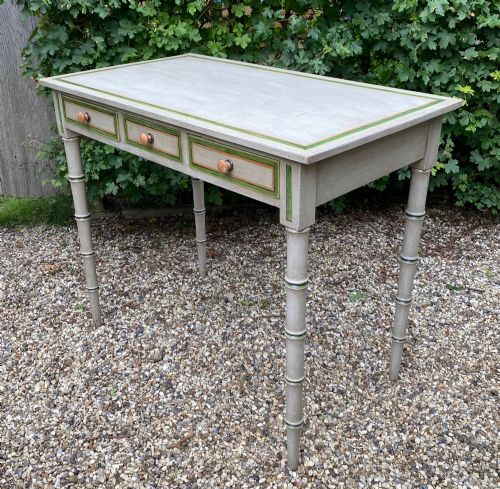
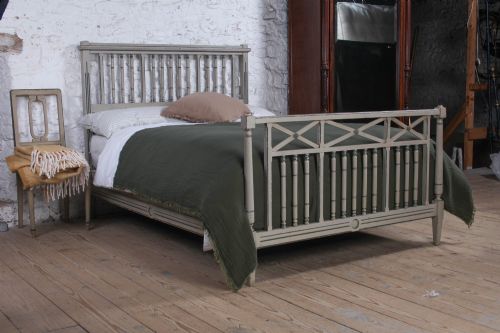
Grey painted furniture brings muted elegance and practical storage to a room, spanning centuries of continental and British craftsmanship.
Grey Painted Furniture
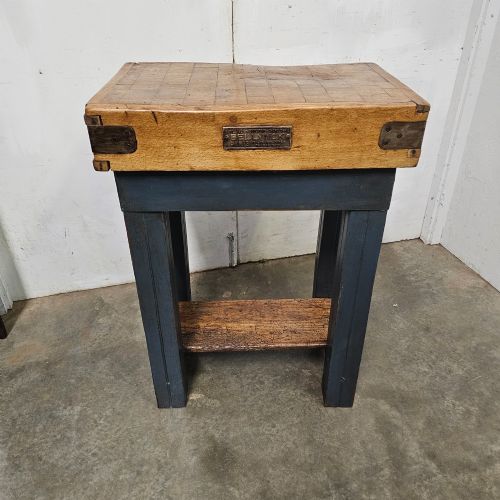
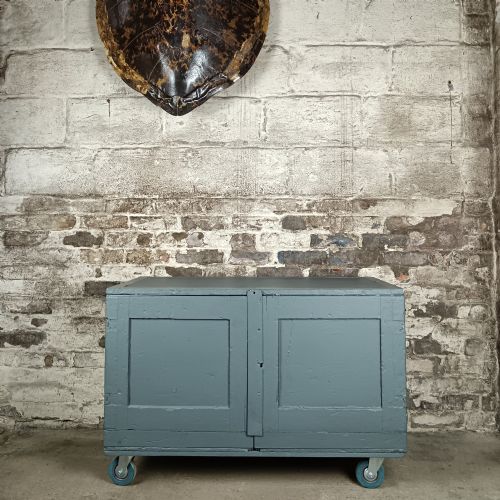
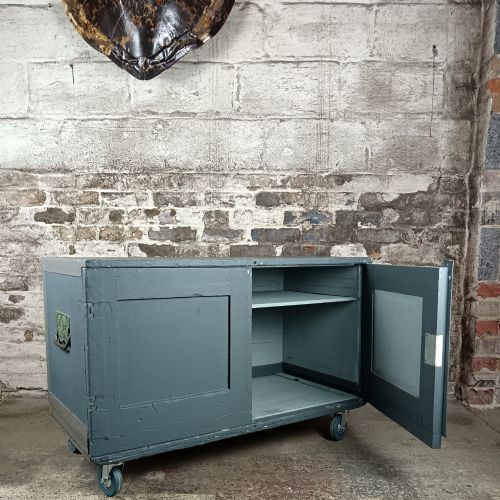
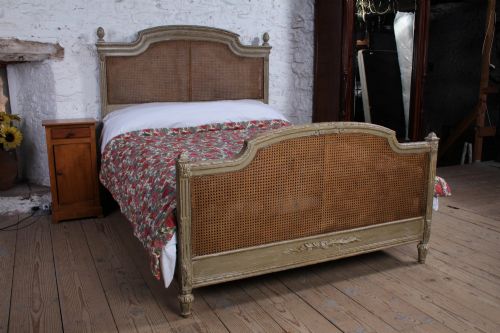
Grey painted furniture encompasses a diverse selection of practical domestic pieces, ranging from storage chests and commodes to tables, benches, and beds. The selection draws heavily on continental traditions, particularly Swedish Gustavian pieces, French commodes, and Hungarian pine cupboards.
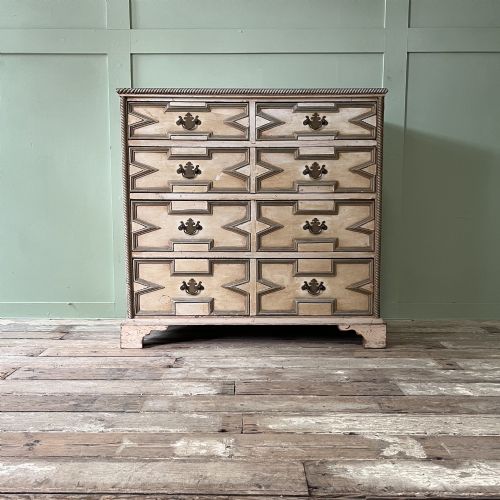
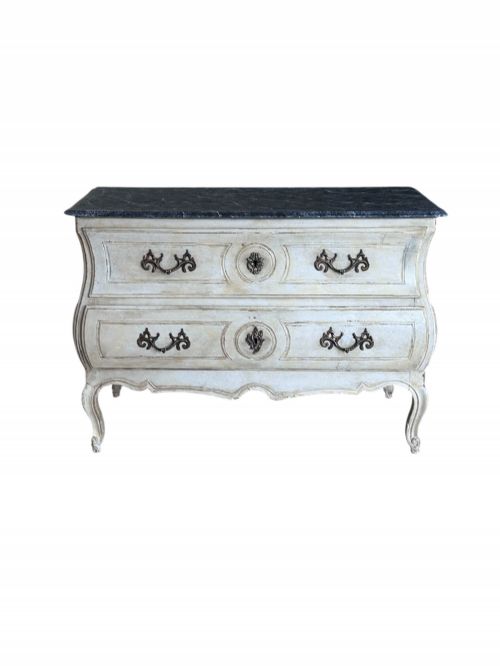
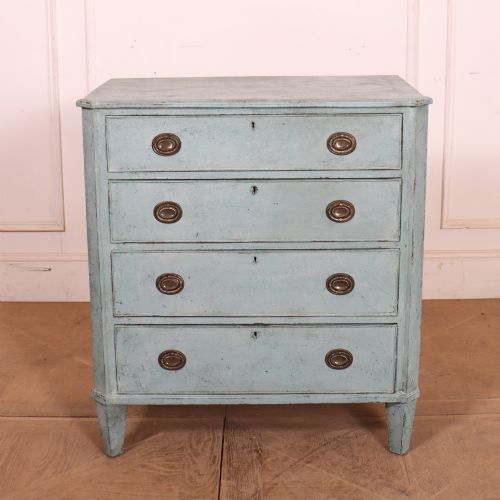
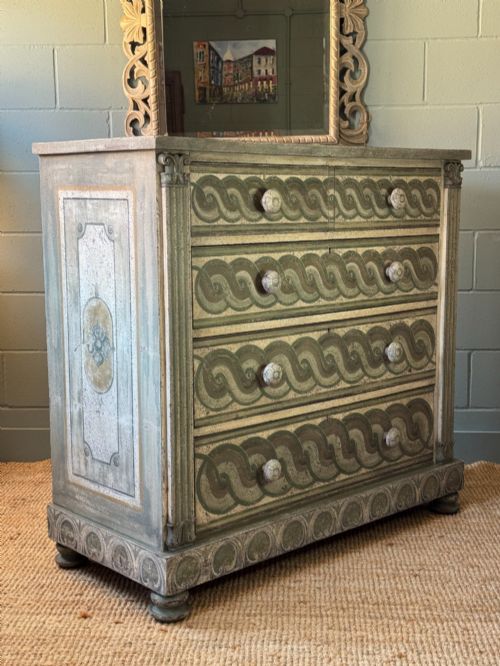
Buyers will encounter various forms spanning the eighteenth, nineteenth, and early twentieth centuries. Chests of drawers and commodes dominate the selection, often rendered in pine or hardwood beneath layers of historic or scraped paint.
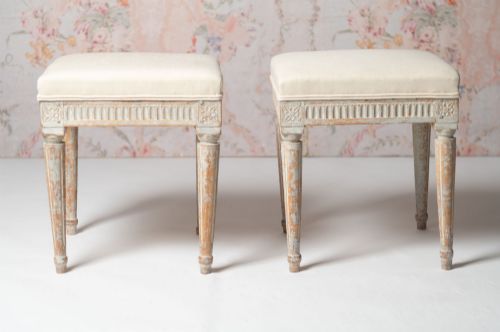
Regional styles dictate the character of these pieces, moving from the restrained neoclassical lines of Swedish Gustavian design to the bolder proportions of Victorian Hungarian storage furniture and French provincial commodes.
Materials and Construction
Makers predominantly utilised pine and regional hardwoods such as beech and oak for the carcases of these items, pairing them with iron, brass, or marble details. Construction often relied on traditional joinery methods suited to the period, from eighteenth-century dovetailing to nineteenth-century framing.
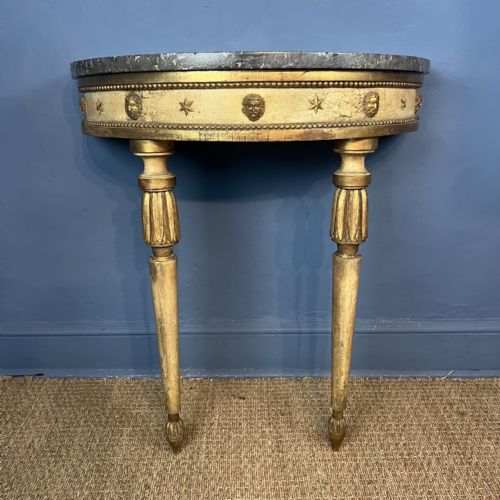
The surface finish relies on layers of paint, sometimes scraped back to reveal earlier tones, or combined with parcel gilt highlights. Applied pigments protect the underlying wood while defining the silhouette of commodes, dressers, and tables.
Grey Painted Furniture Retail Price Guide 2026
Typical asking prices for grey painted furniture among the pieces listed under this phrase on Sellingantiques today, from the lower quarter to the upper quarter. They describe what is for sale here now, not the wider market.
Listings feature 18th-century Gustavian chests alongside Victorian Hungarian cupboards, showcasing pine, iron, brass, and marble materials.
Factors of Quality
Quality rests upon the integrity of the original construction and the preservation of the surface finish. Pieces retaining their original scraped paintwork or early pigment layer command greater interest than later, heavily restored coatings.
Proportion and detail separate standard domestic utility items from finer examples of cabinetmaking. Well-executed carved elements, balanced hardware, and structurally sound timber carcases indicate superior workshop origin.
Sir Clough Williams-Ellis·G & J Lines of London
The Grey Painted Furniture Glossary
- Gustavian
- Pertaining to the Swedish neoclassical style promoted by King Gustav III during the late eighteenth century, known for pale paint finishes and restrained classical carving.
- Commode
- A low chest of drawers or cabinet originating in France, frequently utilised in bedrooms or reception rooms during the eighteenth and nineteenth centuries.
- Scraped paint
- A conservation term describing the careful removal of later overpaint to expose the original historic colour underneath.
- Parcel gilt
- A decorative technique where specific carved details or mouldings are highlighted with thin layers of gold leaf over a painted ground.
- Bombe
- A swelling, convex contour typical of continental furniture bases, particularly eighteenth-century Dutch and French chests.
Grey Painted Furniture: Frequently Asked Questions
How do I date grey painted furniture?
Dating relies on examining construction techniques, timber types, and the composition of the paint layers. Earlier eighteenth-century pieces often show hand-cut dovetails and pegged joints, whilst nineteenth-century examples display industrial milling.
Paint analysis also assists, as historic lead-based or milk paints differ significantly from modern synthetic formulations found on later decorative items.
What is Gustavian furniture?
Gustavian design is Sweden's interpretation of French neoclassical taste, adapted during the late eighteenth century. These items typically feature light grey or cream paint, fluted legs, and subtle carved garlands.
The style prioritises symmetry and understated elegance over heavy ornamentation, making it adaptable to contemporary interiors.
How should I care for painted surfaces?
Maintain painted finishes by dusting gently with a dry, soft cloth and avoiding chemical cleaners or abrasive pads. Excessive moisture damages historic paint layers, so use coasters and place items away from direct heat sources.
Wax can be applied sparingly to seal aged paint if the surface appears dry, following the specific guidance appropriate for early finishes.
Are these pieces made of solid wood?
Most antique painted items utilise solid timbers such as pine, oak, beech, or fruitwood rather than modern manufactured boards. Regional workshops selected local woods for carcases, drawer linings, and internal framing.
Construction details vary by region, with Scandinavian and Hungarian pieces frequently employing dense local pine.