


Grey Monochrome Wall Art
Grey monochrome wall art brings quiet depth and historical focus to a room, offering restrained palettes that draw the eye.
Grey Monochrome Wall Art
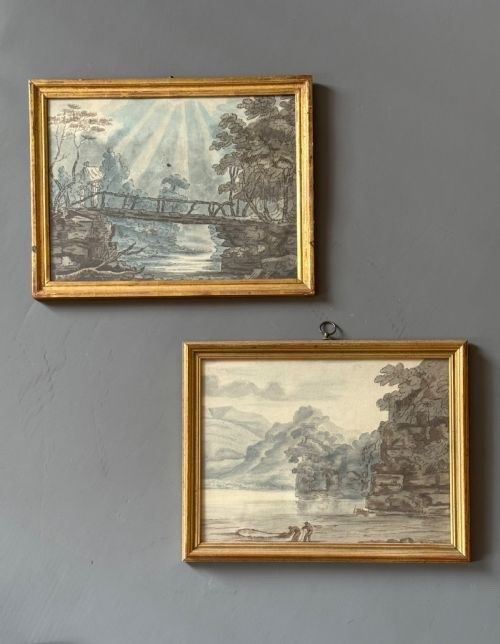
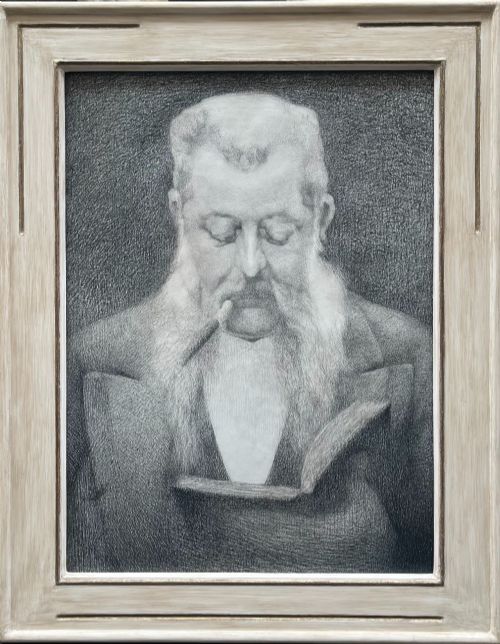
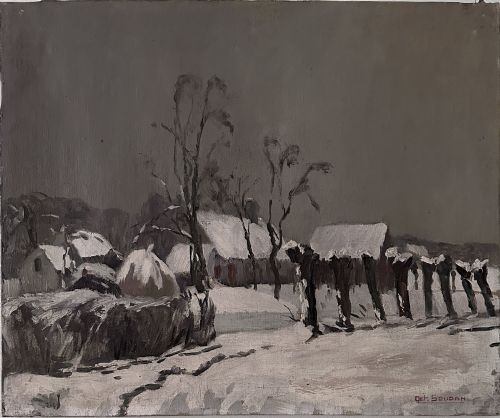
When you search for grey monochrome wall art, you encounter historical works executed in charcoal, graphite, ink, and oil paint. These pieces range from intimate seventeenth-century Italian drawings to nineteenth-century symbolist portraits and landscapes.
The most common examples on this page are framed artworks and drawings from the eighteenth and nineteenth centuries. They utilise muted tones of grey to define form and shadow without the distraction of colour.
Materials and technique
These works rely on fundamental dry and wet media applied to paper or canvas, including graphite, charcoal, and ink. Artists built form through tonal graduation, capturing light and shadow with precise marks.
Oil paint and gouache also appear, laid down on canvas or panel to create deeper monochrome surfaces. Wood frames and glass typically protect these fragile works from environmental damage.
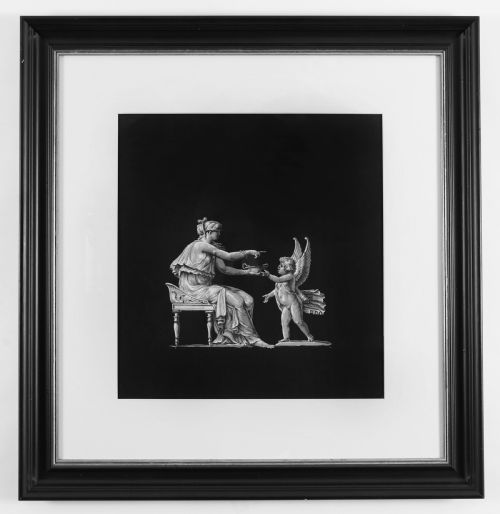
Cherubs playing in trompe l'oeil monochrome offer a whimsical reminder that seventeenth and nineteenth-century artists enjoyed playful visual tricks just as much as serious portraiture.
Assessing quality
Quality rests upon the sureness of the draughtsmanship and the control of tone across the surface. Stronger pieces demonstrate confident handling of shadow and light, whereas weaker examples lack structural conviction.
The sophistication of the composition separates standard decorative output from works by trained academic or symbolist hands. Preservation of the original paper or canvas surface also dictates the standing of each piece.
William J Hodgson·Francis Dodd
The Grey Monochrome Wall Art Glossary
- Monochrome
- A work executed in a single colour or shades of a single colour. In these listings, that typically means grey tones derived from charcoal, ink, or graphite.
- Gouache
- An opaque water-based paint that dries to a matte finish. It allows for solid areas of tone and precise highlights.
- Symbolist
- A late nineteenth-century artistic style focused on internal visions and psychological depth rather than literal representation. These works often use dark, moody palettes.
- Trompe L'oeil
- An artistic technique that uses realistic imagery to create the optical illusion that the depicted objects exist in three dimensions.
Grey Monochrome Wall Art: Frequently Asked Questions
What periods do these pieces span?
The selection covers centuries of work, stretching from the seventeenth century through the Georgian and Victorian eras up to the early twentieth century.
Earlier items tend to be ink or pencil drawings, while later periods introduce oil paintings and specific regional schools.
How should I frame and hang them?
Monochrome pieces benefit from simple framing that lets the tonal range dominate without visual competition. Wood frames with glass are standard for works on paper to prevent atmospheric degradation.
Keep them away from direct sunlight to preserve the charcoal, ink, and graphite from fading over time.
What subjects appear most often?
Portraits, landscapes, and allegorical scenes dominate the selection. You will find studies of figures alongside architectural and maritime views.
Each subject relies on the absence of colour to emphasise form, line, and atmospheric weight.
How do I identify a drawing from a painting?
Drawings utilise dry media such as graphite, charcoal, or pen and ink directly on paper substrates. Paintings involve wet mediums like oil or gouache applied to canvas, panel, or heavy paper.
Inspect the surface closely under good light to distinguish between the fine drag of pencil and the layered build-up of paint.