



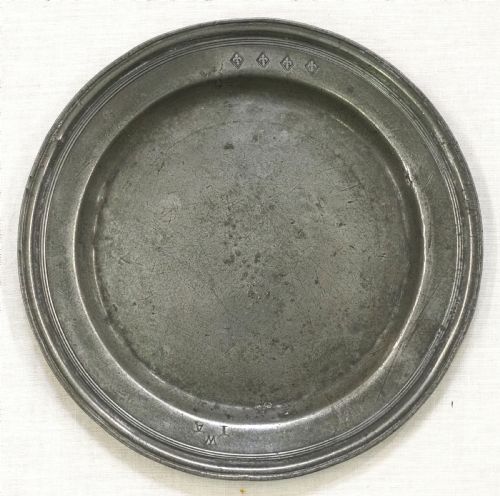
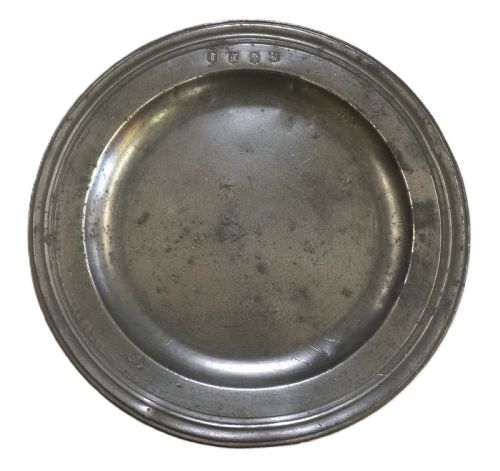


Grey Metal Charger Plate
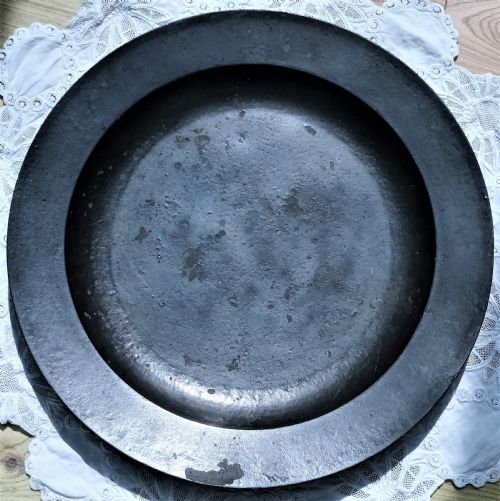
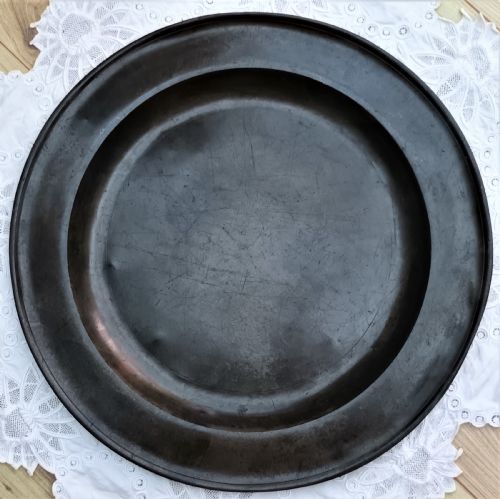
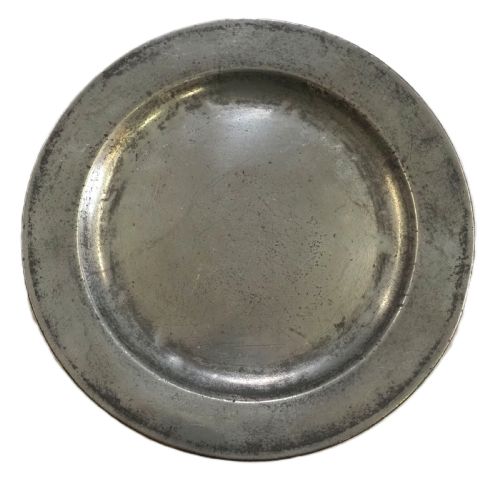
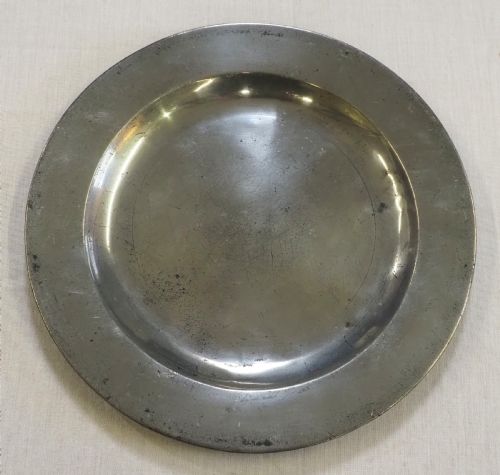
A grey metal charger plate brings substance and age to a table, offering solid seventeenth and eighteenth century pewter in broad rims and reeded borders.
Grey Metal Charger Plate
When you search for a grey metal charger plate, you are looking at substantial circular dishes made predominantly in England during the seventeenth, eighteenth, and nineteenth centuries. These pieces encompass large chargers, broad rim plates, and deep dishes designed for dining or display.
The versions you are most likely to meet on this page span the Georgian period back to Charles II and William and Mary eras. They appear in plain rim, triple reeded, and multiple reeded styles, often showing the marks of London and regional makers.
How they were made
Pewter forms the sole material for these items, shaped into plates and chargers through casting and hammering techniques. Makers hammered certain surfaces all over to harden the alloy and achieve a flat, resilient finish.
Details such as plain rims, wavy edges, and reeded borders relied on specialised moulds and lathe turning. Craftsmen finished the grey metal surfaces by hand, leaving tool marks and maker stamps that record their origin.
Grey Metal Charger Plate Retail Price Guide 2026
Typical asking prices for grey metal charger plate among the pieces listed under this phrase on Sellingantiques today, from the lower quarter to the upper quarter. They describe what is for sale here now, not the wider market.
Some chargers bear personal family crests, turning an ordinary serving dish into a centuries-old heirloom with a distinct lineage.
What varies in quality
The distinction between standard examples and superior pieces rests on the weight of the metal and the presence of maker touchmarks. Heavier plates with broad rims and crisp, legible hallmarks command greater attention from collectors.
Surface preservation and historical marks also influence standing. Pieces retaining original touchmarks, familial crests, or deliberate all-over hammering display a higher degree of historic integrity.
John Duncomb·William Wright·Samuel Smith·T and H Compton·Richard King·John Tubb·Robert Moulins II·Humphrey Evans II·Thomas Alderson·Lawrence Dyer·Thomas Haward·Thomas Powell·Edward Leapidge I·Nehemiah Cloudesley·John Barlow·Thomas Templeman·S Duncomb·Yates Birch and Spooner
The Grey Metal Charger Plate Glossary
- Charger
- A large circular plate or dish, traditionally used for serving food at grand meals or placed beneath smaller plates.
- Pewter
- A malleable grey metal alloy consisting chiefly of tin, combined with copper, lead, or bismuth.
- Reeded rim
- A border decorated with parallel raised mouldings or bands encircling the edge of the plate.
- Touchmark
- An identifying stamp impressed into the metal by the maker or workshop to certify quality and origin.
- Broad rim
- A wide, flat margin surrounding the central well of a charger, typical of seventeenth century forms.
Grey Metal Charger Plate: Frequently Asked Questions
What is a grey metal charger plate used for?
These large vessels served historical dining functions as foundational plates for large joints of meat or as decorative chargers on sideboards.
Today, buyers use them primarily as decorative wall displays or centrepieces to introduce historic grey metal tones into an interior.
How do I date a antique pewter plate?
Dating relies on examining the rim style, overall diameter, and any touchmarks stamped into the metal by the maker.
Narrow rims and multiple reeded borders often point towards the seventeenth century, while plain wide rims frequently align with Georgian production periods.
Are these plates made of pure tin?
Pewter is an alloy composed predominantly of tin, mixed with small amounts of other metals like copper to increase durability.
This specific metal composition gives the pieces their characteristic warm grey colour and soft lustre.