


Grey Canvas Fine Art
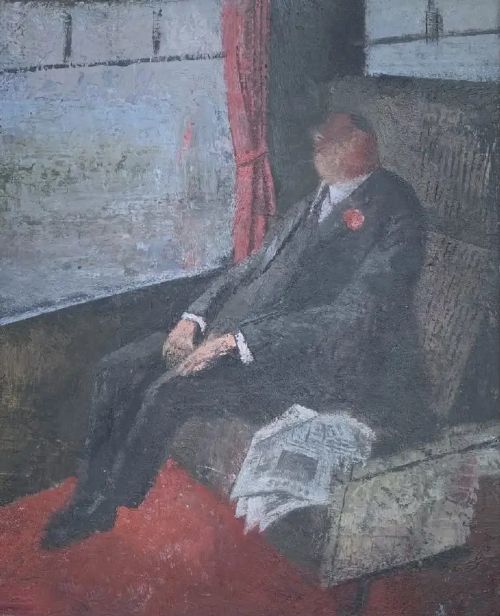
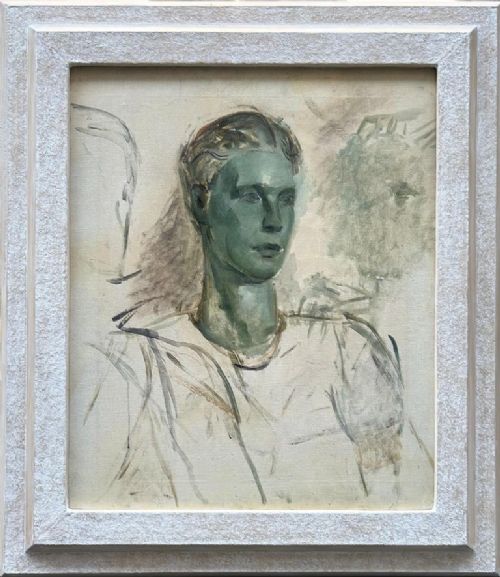
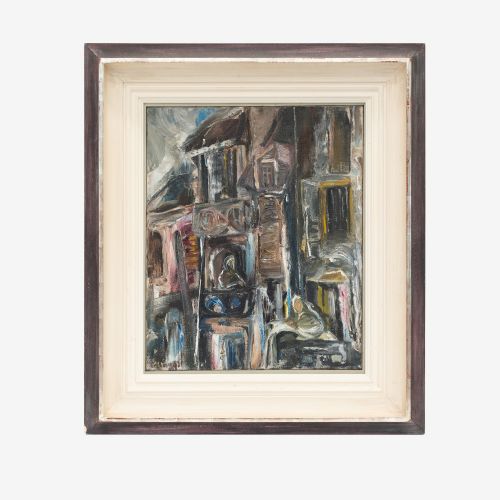
Grey canvas fine art brings textured depth and tonal nuance to interior spaces through original twentieth-century paintings.
Grey Canvas Fine Art
Grey canvas fine art encompasses original oil paintings executed on woven fabric supports, frequently highlighting muted palettes, overcast landscapes, and subdued portraiture. When exploring grey canvas fine art, collectors encounter works spanning the nineteenth century through the mid-twentieth century, including British Impressionism and Modern British movements.
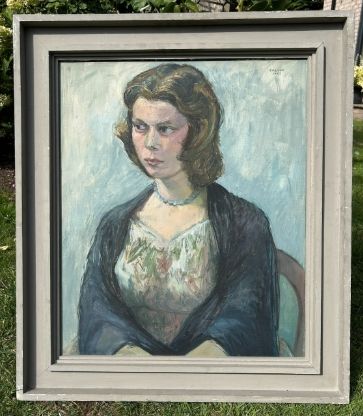
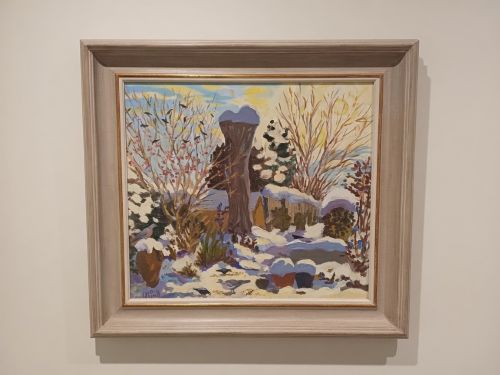
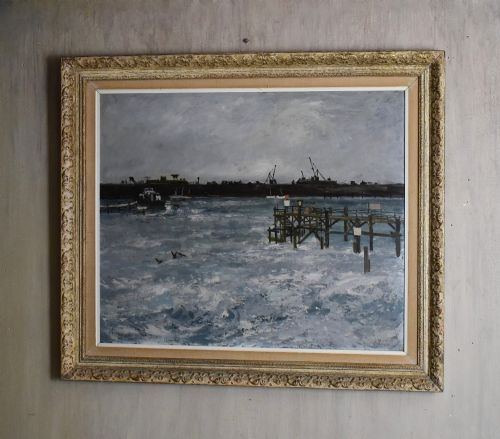
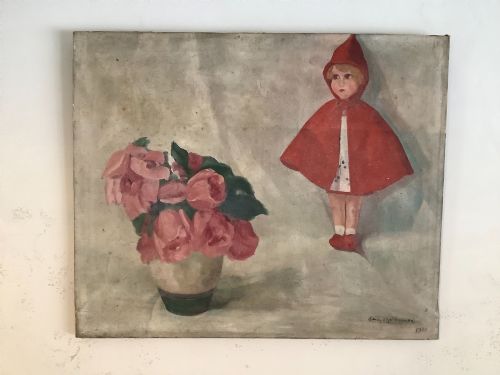
The selections on this page feature coastal scenes, urban streetscapes, rural winters, and character studies rendered by named artists and anonymous regional painters alike. These canvases carry the visible weave of their textile foundation beneath layers of pigment, creating a tactile surface quality distinct from panel or paper supports.
Materials and Construction
Painters of these works utilised oil paint applied directly to stretched canvas supports, sometimes finished with wooden frames and gilt moulding. The physical fabric is tensioned over wooden stretcher bars, providing a resilient and slightly flexible ground that absorbed oil mediums during execution.
Pigments were layered using brushwork or palette knives, capturing light through the interaction of opaque oil colours and the neutral grey undertones of the primed or unprimed textile ground. Certain pieces employ canvas laid onto secondary boards for added structural stability.
Several canvases capture domestic cats sharing tea parties and resting alongside reclining figures.
Assessing Quality and Execution
Quality in these paintings rests upon the confidence of brushwork, compositional balance, and the preservation of the original pigment layer without excessive restoration or overpainting. Superior examples demonstrate a distinct handling of light and atmosphere, particularly in landscape and portrait subjects where tonal subtlety defines the composition.
The integrity of the canvas support, the stability of the wood frame, and the clarity of the artist's signature further distinguish the scope of works available, separating routine regional production from accomplished modernist or impressionist expressions.
Kenneth Cozens·Lucy Pratt·Peter Brannan·Oilver Messel·Lilian Colbourn·Thomas Hicks·Herbert Royle·Georges Goursat·Philippa Maynard Romer·Mercedes Legrand·William Grant Murray·Robert Finley McIntyre·William McCance·Agnes Augusta Tallboys·Owen Bowen·John Sanderson Wells·Ernest Higgins Rigg·Frank Shenton·Raymond Arthur Roadnight·Nora Munro Summers·Charles Robert Leslie·Maurice Wagermans·John W Gilroy·William Cave Day
The Grey Canvas Fine Art Glossary
- Canvas
- A heavy woven fabric, typically linen or cotton, used as a support surface for oil paintings. It is stretched tightly over wooden frames before painting.
- Oil Paint
- A slow-drying paint made by mixing pigments with a drying oil, commonly linseed oil. This medium allows for rich blending and textured impasto application.
- Impressionism
- An art movement characterised by relatively small, thin yet visible brush strokes and an emphasis on accurate depiction of light. British variations adapted these principles to local landscapes and coastal views.
- Gilt
- Covered thinly with gold leaf or gold paint, frequently seen on the wooden frames enclosing these historical artworks. This finish enhances the visual separation between the painting and the wall.
- Stretcher Bars
- The internal wooden framework that holds the canvas taut. Original bars provide important contextual evidence regarding the age and provenance of a painting.
Grey Canvas Fine Art: Frequently Asked Questions
What is grey canvas fine art?
Grey canvas fine art refers to oil paintings on woven fabric supports that utilise muted, atmospheric grey tones across landscapes, portraits, and urban scenes.
These works span various early twentieth-century movements including Post-Impressionism and Modern British painting.
How should I hang an oil painting?
Hang oil paintings away from direct sunlight and fluctuating heat sources to protect both the canvas and the wooden frame.
Ensure sturdy wall fixings are used to support the weight of the stretcher bars and gilt framing.
How do I identify the period of a canvas?
Examine the construction of the wooden stretcher bars, the type of canvas weave, and any artist signatures or inscriptions on the reverse.
Stylistic elements like brushwork and subject matter also offer clear indicators of nineteenth or twentieth-century origins.
Are these paintings supplied with frames?
Many listings include period wooden frames, occasionally featuring gilt finishes that complement the era of the artwork.
Check individual item details to confirm whether the piece retains its original framing.