





Grey Bedroom Chest
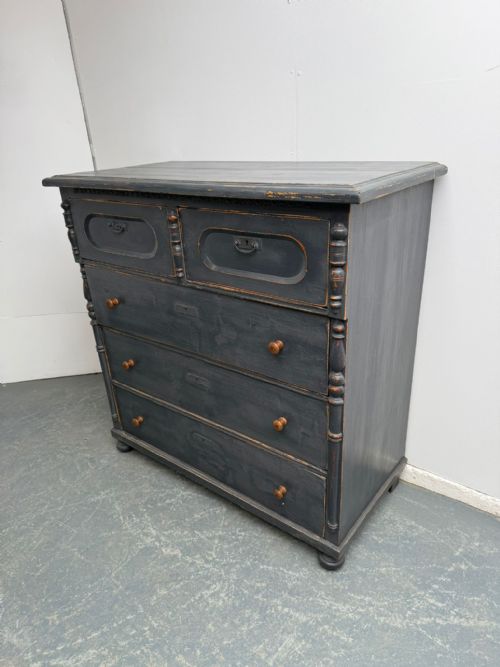
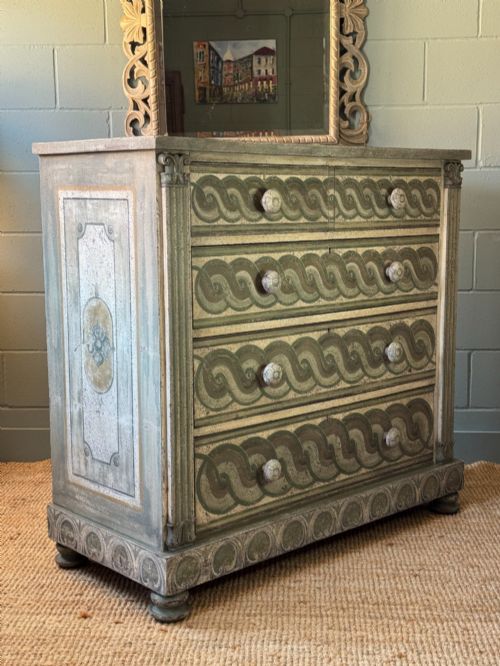
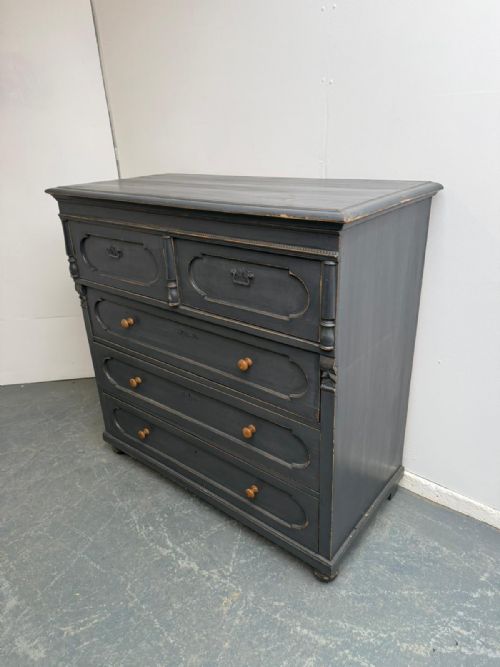
A grey bedroom chest brings muted tones and solid storage to a sleeping quarter, drawing on periods from the eighteenth century to the early twentieth.
Grey Bedroom Chest
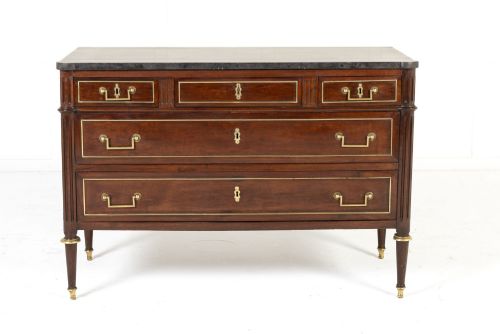
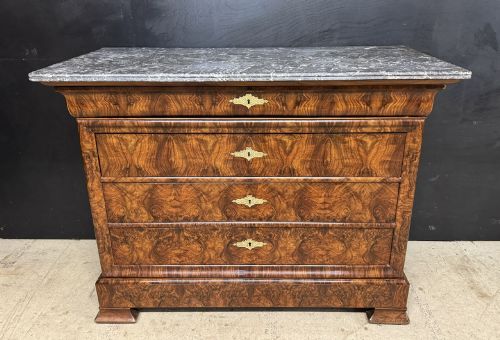
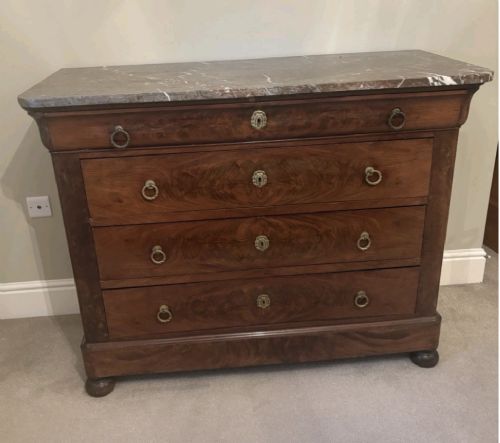
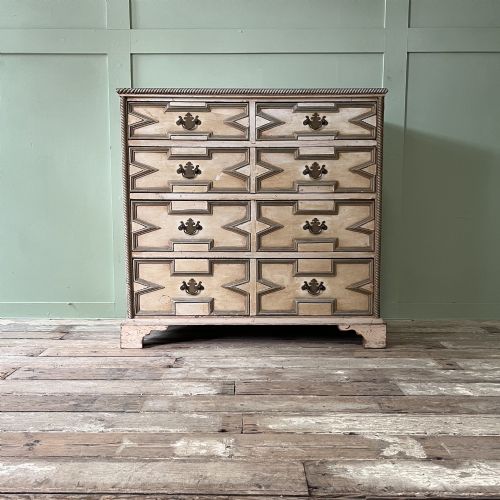
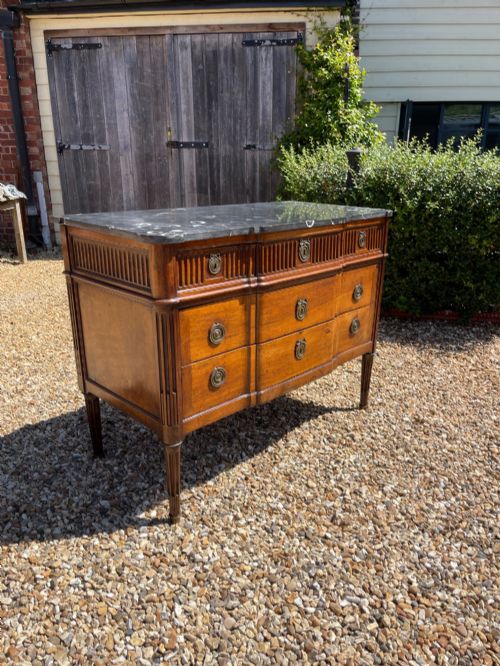
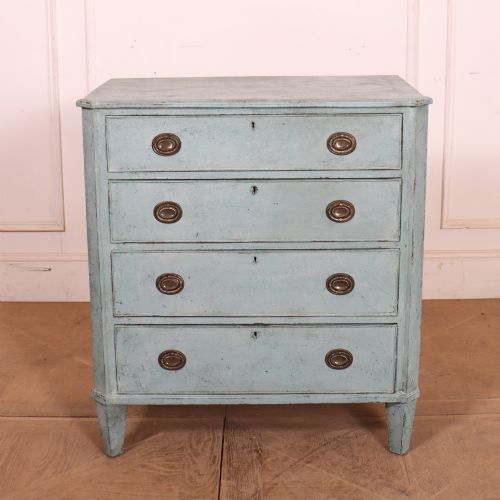
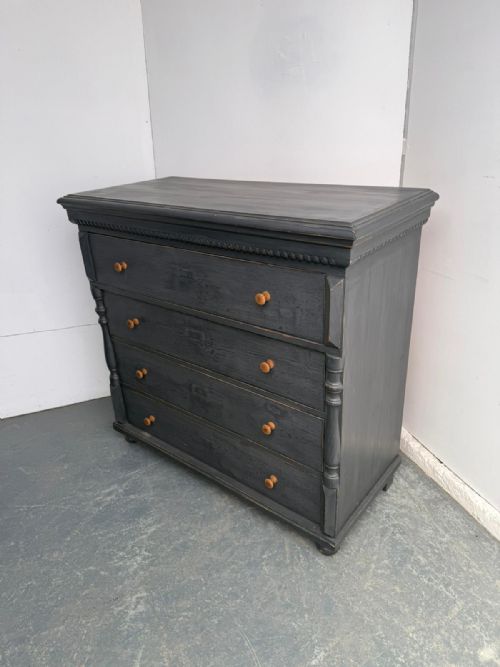
When you search for a grey bedroom chest, you encounter a selection of antique commodes, chests of drawers, and linen cupboards originating from diverse European workshops. The majority of these pieces combine traditional cabinet forms with painted or neutral surfaces, ranging from pine country furniture to grander walnut and mahogany models.
The objects span several centuries, with particular representation from the Victorian era and the nineteenth century. Continental examples, notably from France and Sweden, appear frequently alongside British pine and ash variants.
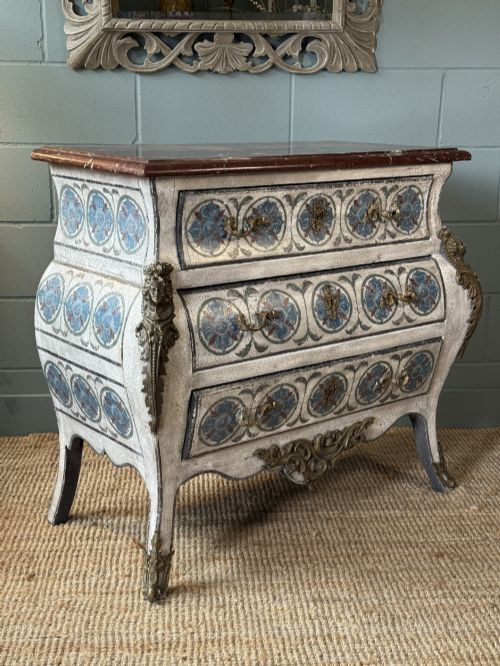
Forms include standard drawer configurations, bombe shapes, and marble-topped commodes that double as dressing surfaces.
How they were made
Cabinet makers utilised dense hardwoods such as mahogany, walnut, oak, and cherry for structural carcases, often pairing them with softer pine for internal components and drawer linings. Joinery techniques relied on traditional hand-cut dovetails for drawer construction and mortise and tenon frames.
Surfaces received various treatments, from polished wood grain to decorative paint layers. Many Continental and British pieces combine timber bodies with heavy polished marble slabs fitted to the top surface.
Grey Bedroom Chest Retail Price Guide 2026
Typical asking prices for grey bedroom chest among the pieces listed under this phrase on Sellingantiques today, from the lower quarter to the upper quarter. They describe what is for sale here now, not the wider market.
Several chests hide their age beneath layers of hand-applied Swedish paint, keeping their secret pine hearts warm.
What varies in quality
The distinction between tiers rests upon the integrity of the original carcase timber and the harmony of subsequent surface treatments. Pieces retaining their structural joinery without excessive replacement parts command attention.
The weight and thickness of fitted marble tops, alongside the crispness of hand-carved mouldings or applied gilt details, separate standard utility furniture from finer salon commodes.
Sir Clough Williams-Ellis·Edwards and Roberts
The Grey Bedroom Chest Glossary
- Commode
- A low chest of drawers or cabinet, typically originating from French or Continental traditions. These often feature decorative hardware and shaped fronts.
- Semainier
- A tall, slender chest traditionally built with seven drawers, one for each day of the week. This form appears frequently in nineteenth-century French variants.
- Gustavian
- A Swedish neoclassical style inspired by French design during the late eighteenth century. It is known for restrained carving and pale painted finishes.
- Bombe
- A swollen or bulging convex shape found on the front and sides of certain Continental commodes. This curving profile requires advanced woodworking skill.
- Serpentine
- A furniture front characterised by a concave centre flanked by convex ends, creating a gentle wave motion. Cabinet makers used this outline on high-status commodes.
Grey Bedroom Chest: Frequently Asked Questions
What is a grey bedroom chest?
A grey bedroom chest is a traditional storage item, such as a commode or chest of drawers, finished with a neutral painted or natural grey-toned surface.
These items range from simple nineteenth-century pine examples to polished hardwood pieces topped with marble.
How were these chests used?
They served primarily for storing linen, clothing, and personal items within domestic sleeping quarters.
Marble-topped versions also provided a durable surface for washing basins or displaying dressing accessories.
How do I clean a marble top?
Marble requires gentle cleaning with a soft cloth and warm water, avoiding acidic substances that can etch the polished stone surface.
Routine dusting preserves the natural lustre of the material without harming older finishes.
Are these chests all painted grey originally?
Many pieces were constructed in bare timber like pine, oak, or mahogany and received paint applications during subsequent periods or recent redecoration.
Certain continental styles, such as Gustavian designs, utilised pale painted finishes from the outset.