

Green Watercolour
Green watercolour brings together works on paper capturing landscapes, gardens and studies through delicate pigment applied across Victorian and later periods.
Green Watercolour
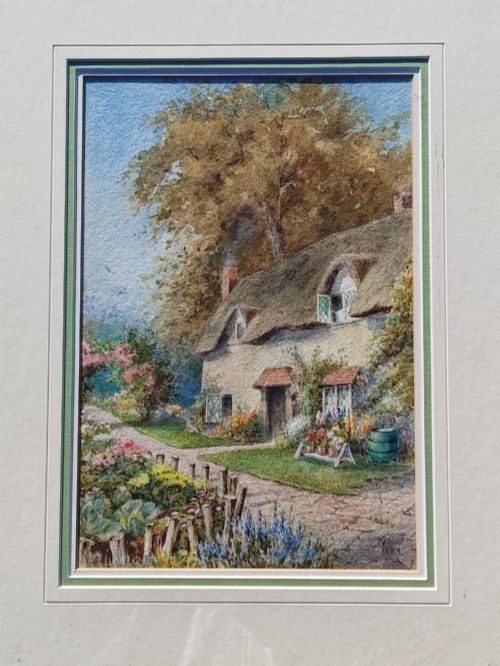
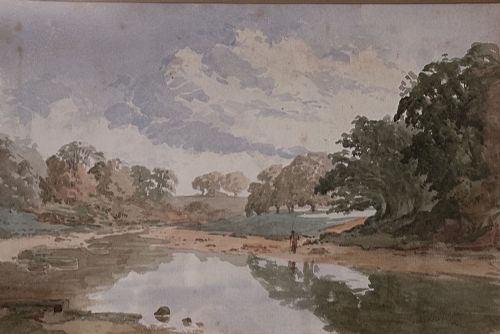
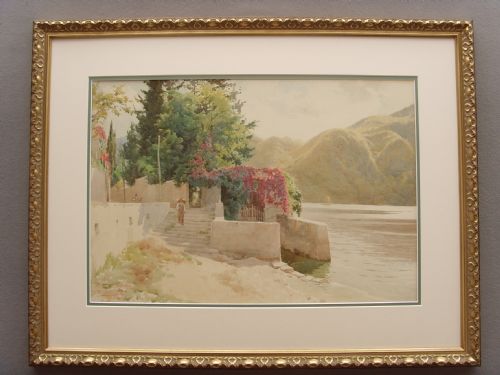
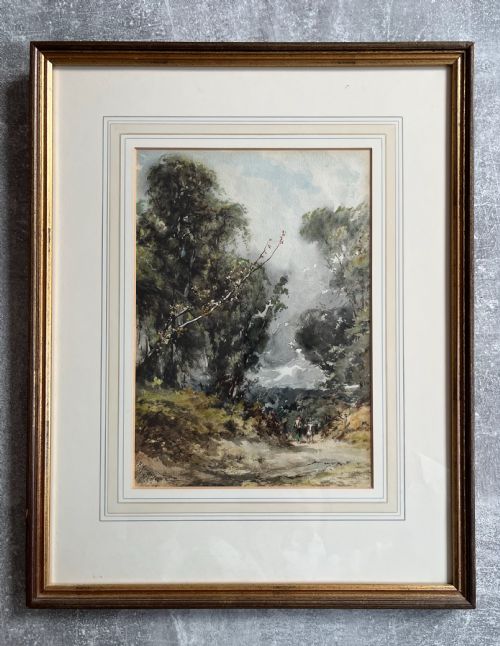
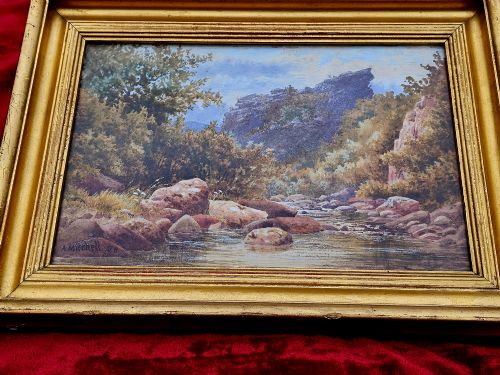
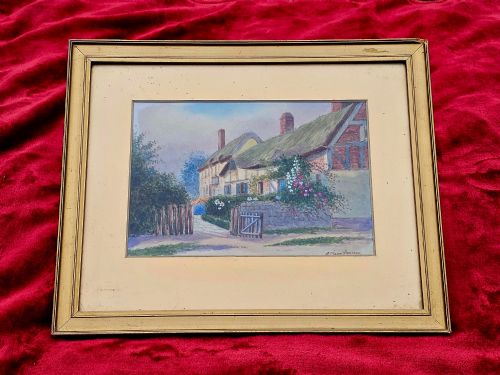
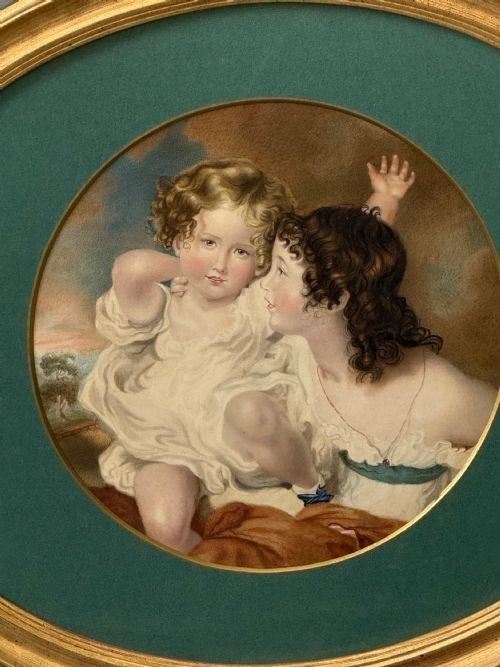
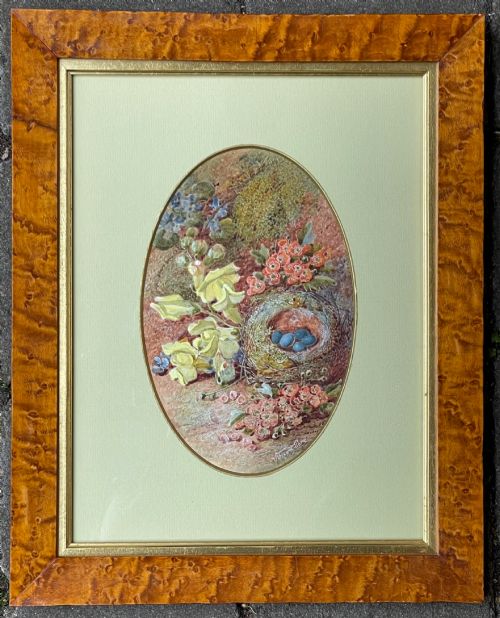
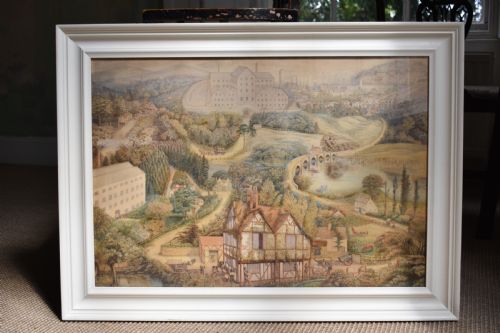
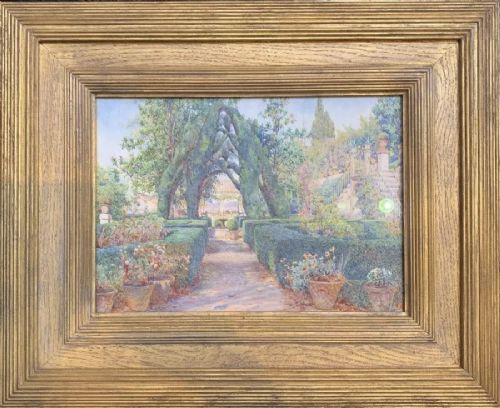
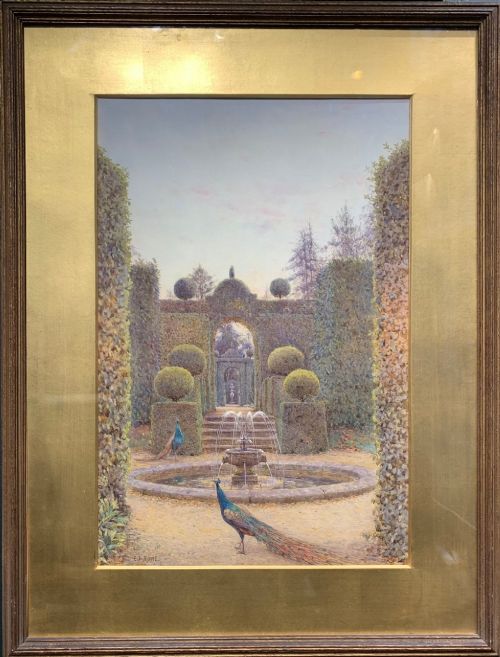
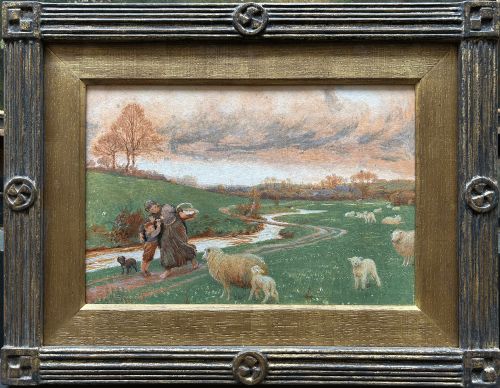
When searching for green watercolour, collectors encounter works on paper executed in various periods spanning the nineteenth and twentieth centuries, including Victorian and Edwardian examples. These pieces typically depict landscapes, botanical studies, gardens, and pastoral scenes framed as wall art or paintings.
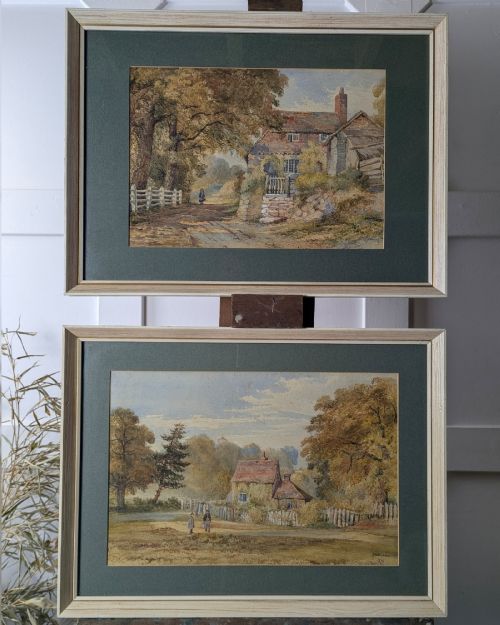
The selection ranges from detailed nineteenth-century English landscapes to early twentieth-century depictions of rural life, country cottages, and floral compositions. Works often bear signatures from known painters of the period, presenting varied approaches to composition and tone.
Framed watercolours on paper form the core of this group, frequently housed behind glass within wooden or gilt frames that preserve the delicate pigments. The subjects lean towards pastoral and naturalistic themes, reflecting the prevailing styles of British and European art from the period.
Materials and technique
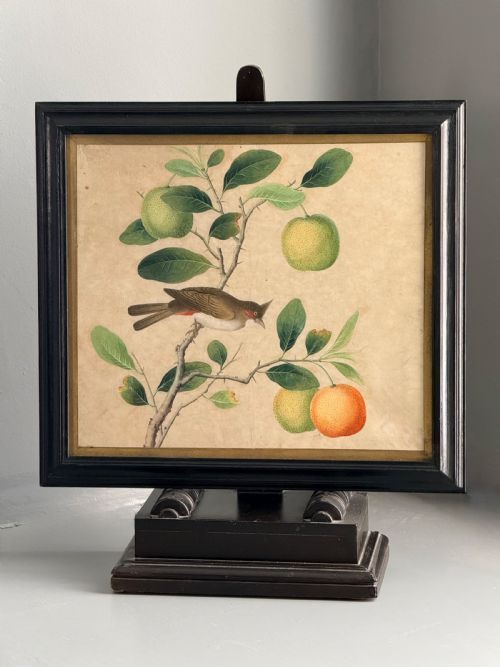
Watercolour pigment is applied directly to paper or pith paper, sometimes supplemented with gouache, ink, or pencil to build depth and detail. Artists utilise water-soluble binders to create translucent washes that allow the white of the paper to illuminate the green tones.
Works are typically preserved beneath glass and mounted within wood, gilt wood, or silver frames to protect the sensitive paper surface from environmental damage. Gold leaf accents occasionally appear on the framing, complementing the earthy green pigments used within the composition.
Listings feature works on paper spanning from the 18th century through the 1940s, utilising materials such as gold leaf, pith paper, and watercolour pigment.
Distinctions in quality
Quality rests upon the artist's control of pigment and wash, where skilful application achieves atmospheric depth in foliage and landscape elements rather than flat, uniform areas of green. Finer works retain crisp brushwork and balanced composition, demonstrating a clear command of light and shadow.
Condition plays a central role, distinguishing works that retain their original pigment vibrancy from those affected by fading or paper deterioration. The harmony between the original framing, mount, and the watercolour sheet further separates standard decorative items from accomplished fine art pieces.
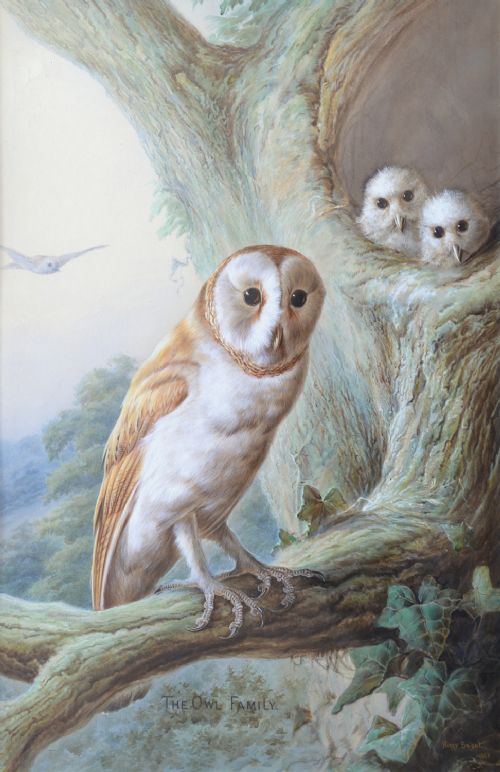
Harry Bright·Robert George Talbot Kelly·George Fotherly Hargitt·Alfred Young Nutt·Ernest Arthur Rowe·George Oyston·Henry Barlow Carter
The Green Watercolour Glossary
- Watercolour
- A painting method in which the paints are made of pigments suspended in a water-based solution. The technique relies on translucent washes applied to paper.
- Gouache
- An opaque water-based paint that includes a white pigment filler, creating a heavier, solid finish compared to transparent watercolour.
- Pith paper
- A delicate material formed from the pith of the Tetrapanax papyrifer plant, commonly used in nineteenth-century Asian export art for detailed painting.
- Works on paper
- A collective term encompassing drawings, watercolours, prints, and mixed media pieces created on a paper support.
- Victorian Naturalism
- An artistic movement focusing on detailed, realistic depictions of the natural world and rural life during the reign of Queen Victoria.
Green Watercolour: Frequently Asked Questions
How should I display antique watercolours?
Keep watercolours away from direct sunlight to prevent the green pigments from fading over time. Hanging them in rooms with stable humidity protects both the paper support and the surrounding frame.
Ensure the artwork is glazed properly with conservation glass if possible. This blocks ultraviolet light while keeping the delicate paper surface secure from dust and moisture.
What subjects are common in these paintings?
Landscapes, country cottages, and pastoral scenes dominate the subjects found in these selections. Garden views and botanical studies also appear frequently across the Victorian and Edwardian periods.
Artists often focused on rural English countryside, rivers, and coastal views. These themes reflect a broader nineteenth-century interest in naturalism and the picturesque.
How do I identify the period of a watercolour?
Examine the style of the framing, the type of paper support, and any signatures or dates left by the artist. Victorian and Edwardian works often feature specific mounting techniques and handwritten inscriptions on the reverse.
Comparing the aesthetic with known movements like British Impressionism or the Pre-Raphaelite period provides further clues. Costuming and architecture depicted in the scene can also narrow down the creation date.
Are these works always signed by the artist?
Many pieces carry visible signatures, initials, or dates inscribed by the painter in the corner of the composition. Documentation or labels on the reverse of the frame can also help confirm authorship.
Unsigned works remain common, often categorised by school or period rather than a specific maker. The quality of brushwork and the materials used help attribute these pieces to a general era.