


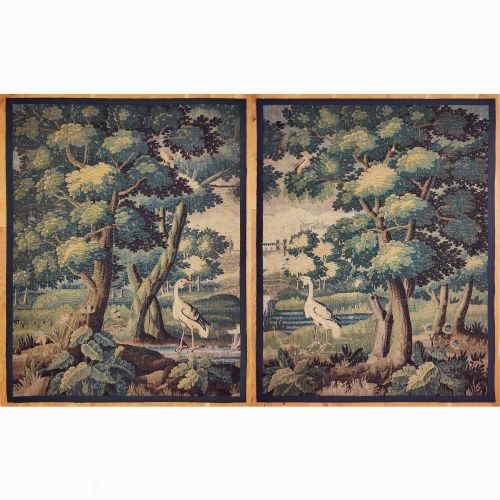

Green Wall Tapestry
These large-scale textiles transform vertical surfaces through historic greenery and woven woodland scenes.
Green Wall Tapestry
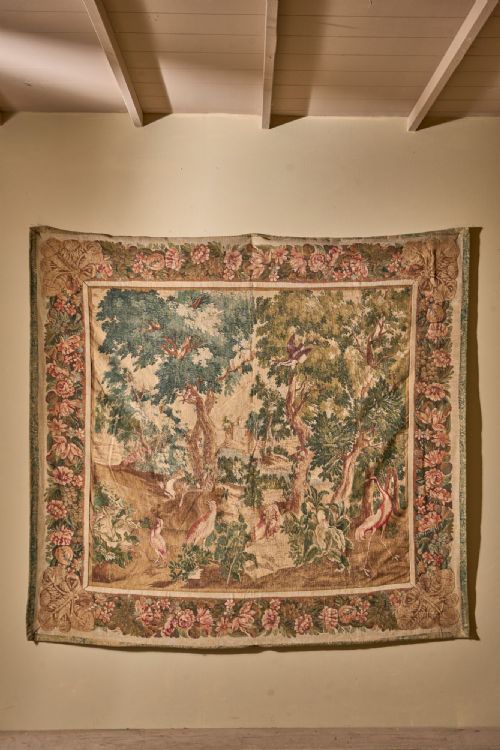
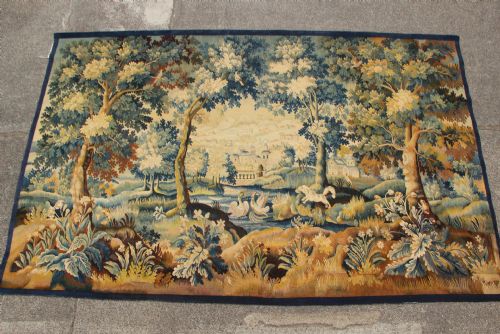
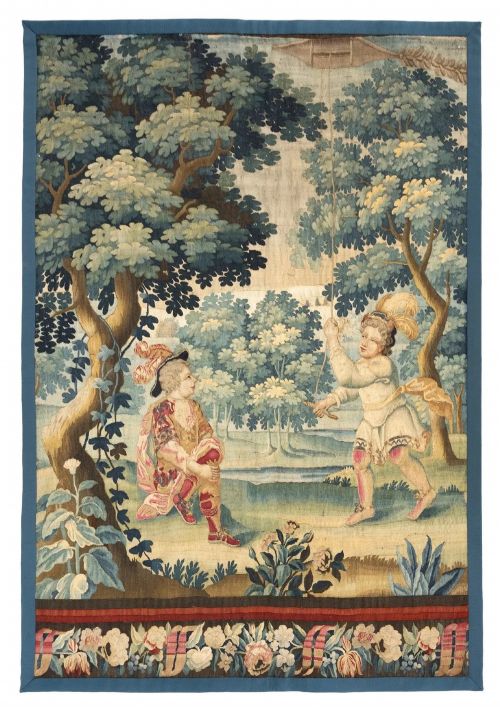
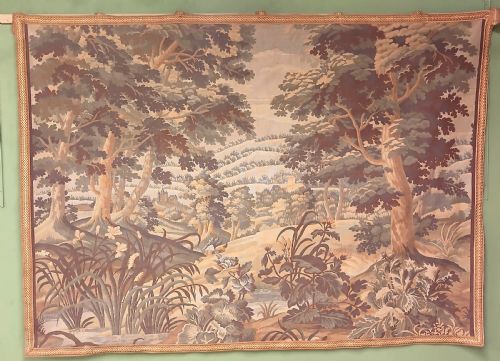
A green wall tapestry brings historic woodland scenes, foliage panels, and verdure landscapes into an interior space.
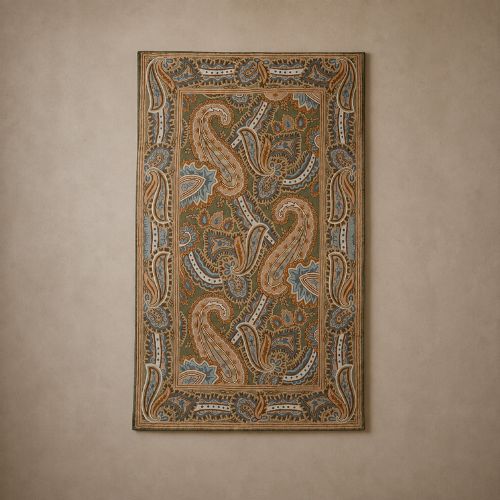
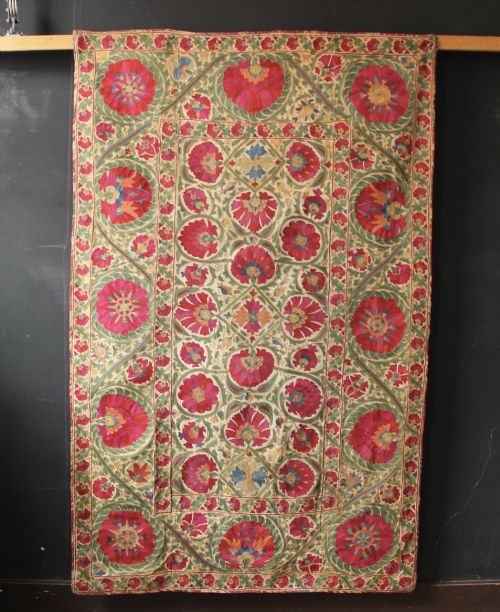
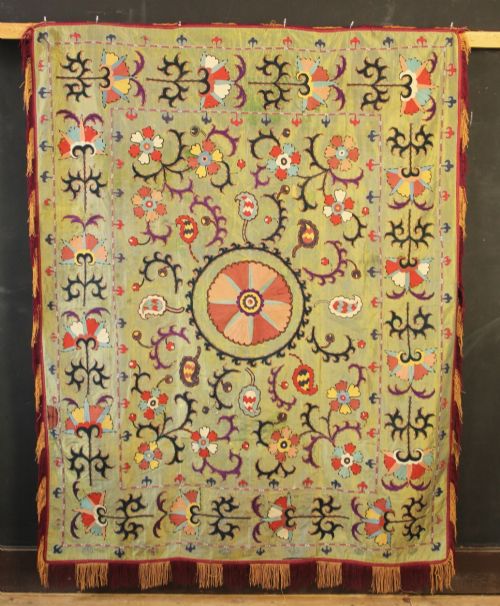
Buyers meet large seventeenth and eighteenth-century Flemish and French works alongside nineteenth-century pieces and Central Asian embroidered panels.
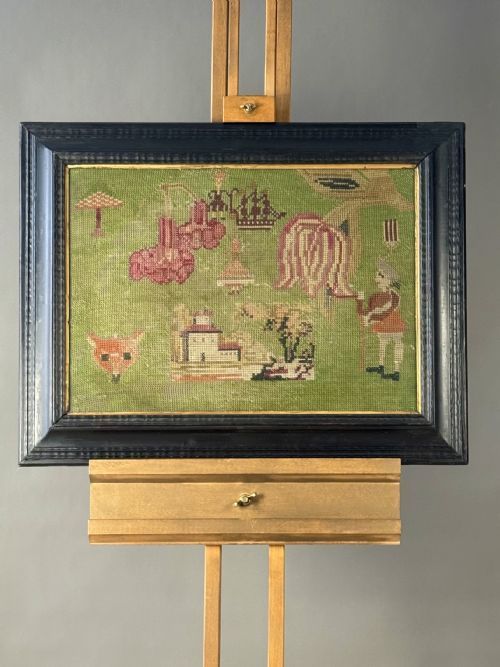
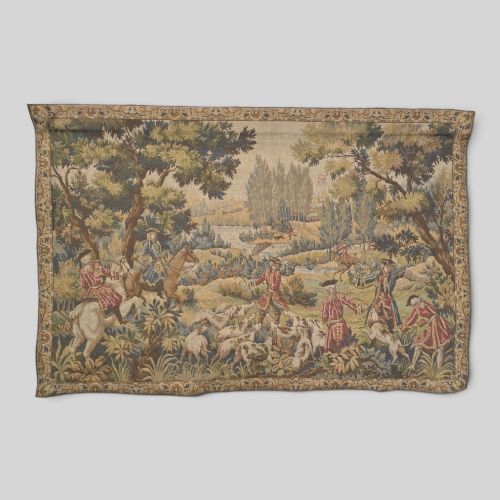
The format spans grand mythological depictions, pastoral scenes, and framed textile fragments designed for display.
Materials and Construction
Weavers constructed these textiles primarily using wool, silk, cotton, and linen threads to build complex pictorial surfaces.
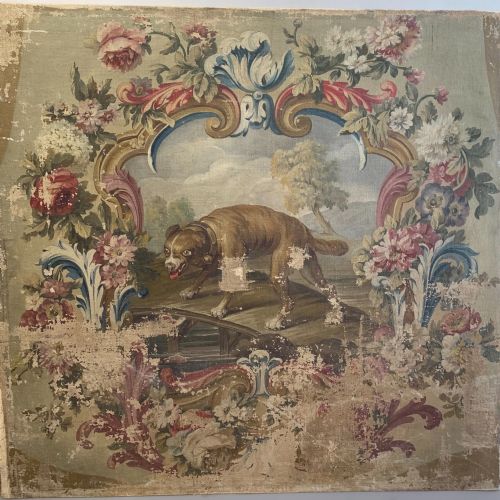
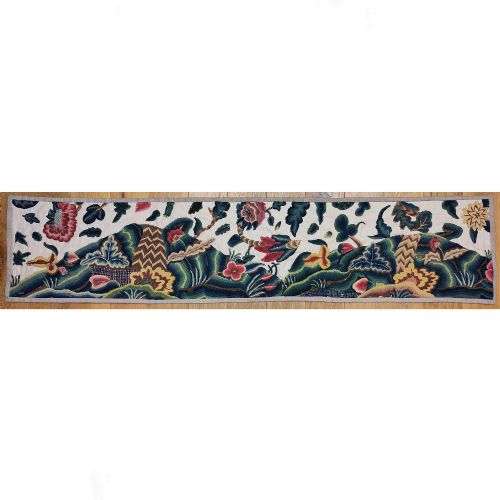
Certain panels combine silk thread and pigment upon canvas or linen bases, while others employ crewelwork and needlework embroidery techniques.
Makers integrated various natural fibres to create the dense foliage and verdant backgrounds characteristic of the genre.
Listings feature Flemish Baroque, French Rococo, and Central Asian styles spanning from the seventeenth to the early twentieth century.
Distinctions in Quality
The intricacy of the botanical detail and the depth of the verdure landscape determine the visual weight of each piece.
Condition varies from complete grand-scale panels to historic fragments, influencing how the textile presents on a wall.
The fineness of the weave and the survival of the original colour palette separate standard workshop output from exceptional examples.
The Green Wall Tapestry Glossary
- Verdure
- A type of tapestry featuring a dominant landscape of plants, trees, and foliage. These scenes typically focus on natural greenery rather than human figures.
- Aubusson
- A style originating from the French town renowned for woven tapestries and carpets. These pieces often depict pastoral or architectural motifs.
- Crewelwork
- A type of embroidery executed using wool yarn on a heavy linen or cotton foundation. This technique produces textured surface designs on wall hangings.
- Suzani
- A type of embroidered tribal textile originating from Central Asia. These panels display intricate needlework patterns using silk threads.
Green Wall Tapestry: Frequently Asked Questions
How do I hang a heavy tapestry?
Large textile panels require even weight distribution across a supporting wooden batten or hidden metal rod. Professional framers often sew a supportive linen backing and Velcro hanging strip to the top edge.
Avoid hanging textiles directly in strong sunlight to prevent fading of the wool and silk threads. Ensure the wall surface remains dry to protect historic organic fibres from moisture damage.
What is a verdure tapestry?
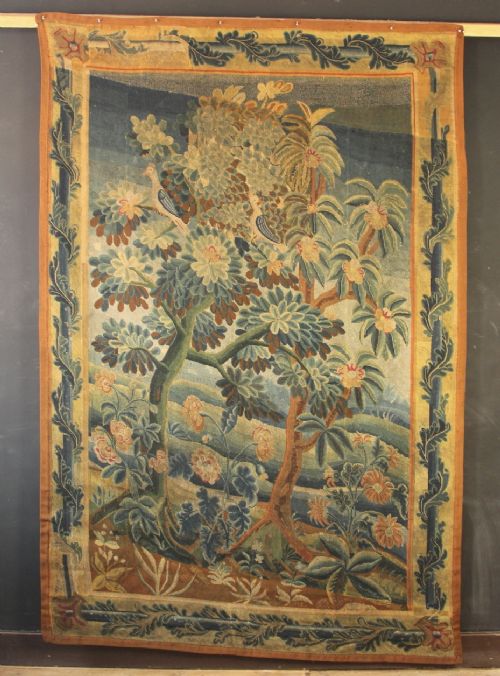
A verdure tapestry depicts a dense landscape dominated by trees, foliage, plants, and occasional birds or animals. These green-toned compositions were popular in Flemish and French weaving workshops.
Weavers used varied shades of green, blue, and brown wool to create a sense of depth and shadowed woodland undergrowth.
How do I date an old tapestry?
Dating relies on stylistic analysis of the border design, the weaving technique, and the types of dyes used in the threads. Seventeenth-century Flemish works typically display robust botanical borders and darker verdure palettes.
Later nineteenth-century interpretations often emulate these earlier baroque or pastoral styles with machine assistance or modified colour combinations.