



Green Velvet Furniture
Green velvet furniture brings rich texture and historic weight to a room, spanning seating and tables from the eighteenth century onwards.
Green Velvet Furniture
Green velvet furniture encompasses a varied selection of seating and tables upholstered in pile fabrics, often appearing on Victorian and nineteenth-century forms.
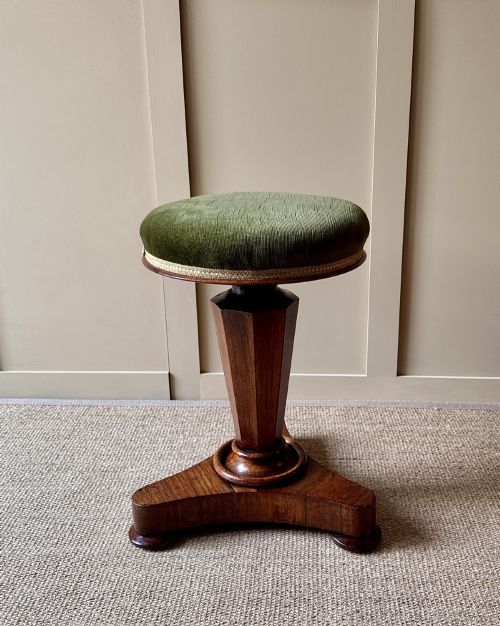
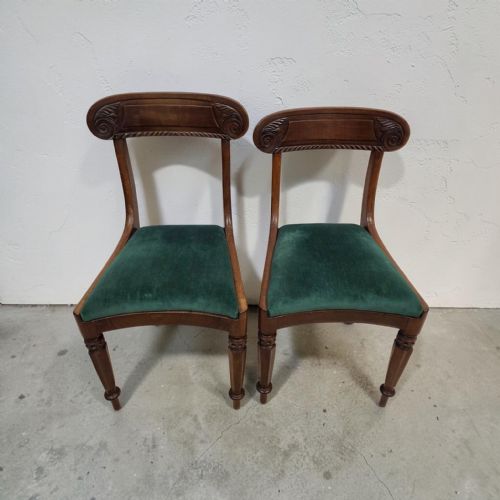
Buyers will encounter items ranging from button-back settees and drawing-room suites to dining chairs, armchairs, piano stools, and occasional side tables.
The selection draws on periods such as the Regency, Victorian, and William IV eras, alongside styles like Gothic Revival, Aesthetic Movement, and French Empire Revival.
Materials and construction
Frames rely on timbers such as mahogany, walnut, oak, rosewood, satinwood, and brass hardware, reflecting traditional cabinet-making methods of the eighteenth and nineteenth centuries.
Upholstery utilises velvet and fabric elements, paired with polished wood structures ranging from ebonised finishes to simulated bamboo and giltwood.
Green Velvet Furniture Retail Price Guide 2026
Typical asking prices for green velvet furniture among the pieces listed under this phrase on Sellingantiques today, from the lower quarter to the upper quarter. They describe what is for sale here now, not the wider market.
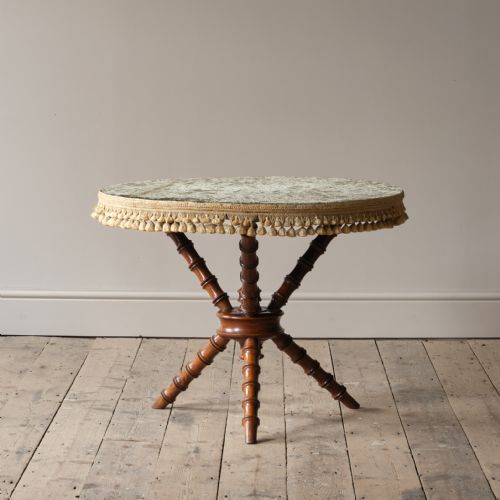
Even bamboo gets a wooden impersonation in the nineteenth-century gypsy tables.
Judging the work
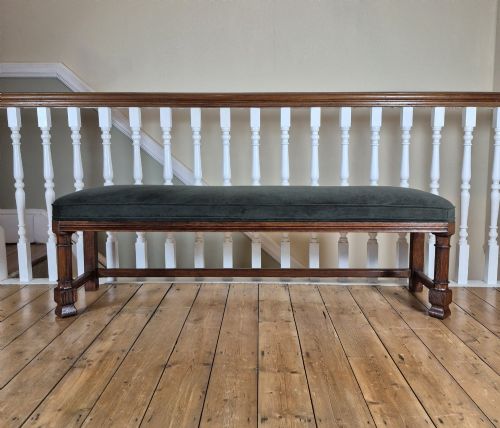
Quality rests in the precision of the timber frame joinery, whether dealing with elaborate carved walnut suites or simpler oak bench seats.
The sophistication of the timber figure, the integrity of the structural frame, and the harmony between the wooden support and the velvet upholstery distinguish finer examples.
Howard & Sons·Jas / James Shoolbred·William Birch·J. & T. Scott·John Tesch
The Green Velvet Furniture Glossary
- Velvet
- A woven tufted fabric with a dense pile, providing the characteristic soft surface found on these pieces.
- Giltwood
- Wood carved and treated with a gold-leaf or gilt finish, often seen on nineteenth-century decorative stools.
- Ebonised
- Timber treated with a dark finish to resemble ebony, a technique popular during the Aesthetic Movement.
- Simulated bamboo
- Wood turned and carved to mimic natural bamboo stalks, frequently utilised on nineteenth-century gypsy tables.
Green Velvet Furniture: Frequently Asked Questions
How do I care for antique velvet?
Keep velvet pieces away from direct sunlight to preserve the depth of the green pile. Gentle brushing helps maintain the direction and texture of the fabric.
Avoid chemical cleaners on older textiles. Consult a specialist restorer for any deep cleaning or repairs required.
What periods are common for these pieces?
The selection is dominated by nineteenth-century examples, including Regency, William IV, and Victorian iterations.
Earlier eighteenth-century walnut chairs and later Edwardian or Swedish revival pieces also appear across the listings.
Where were these pieces used originally?
Drawing rooms, formal dining spaces, and music rooms housed many of these settees, chairs, and piano stools. Smaller items like gypsy tables suited lighter parlour settings.
Country houses and urban salons alike accommodated these varied forms depending on the style of the period.
How do I identify a revival style?
Revival pieces borrow decorative motifs from earlier eras while employing the construction techniques of their own time of manufacture. Look at the framing timber and secondary woods for clues.
French Empire Revival and Gothic Revival items adapt historical silhouettes using nineteenth-century materials and joinery.