




Green Vanity Mirror
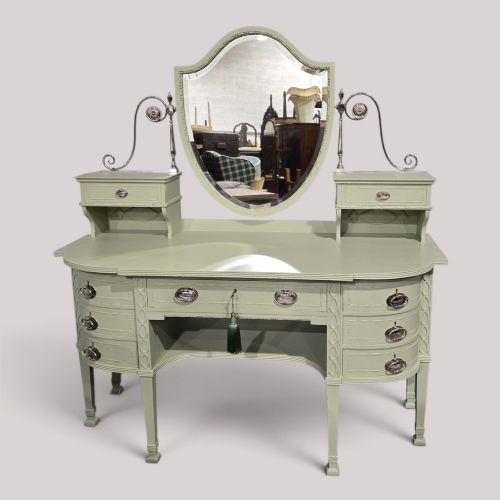
These green vanity mirror examples combine practical glass with painted, stained, and fabric finishes across Victorian and Edwardian periods.
Green Vanity Mirror
A green vanity mirror search brings up wall mirrors, dressing tables, and dressing chests finished in various shades of green alongside wooden and fabric components. These pieces span the Victorian, Edwardian, and 19th-century periods, showing regional styles from Italian Florentine to French Rococo.
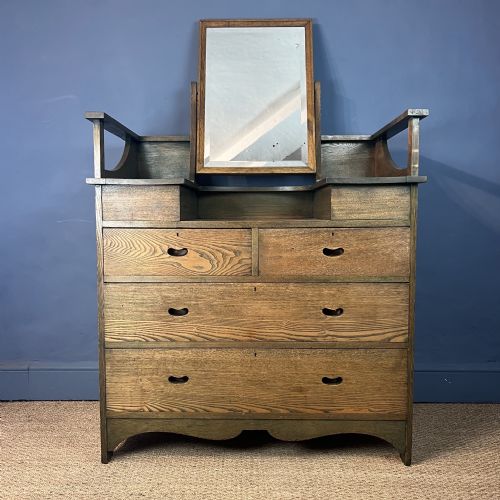
Buyers meet items ranging from simple painted wall mirrors to satinwood wall mirrors with carved crests and stained ash dressing chests. Continental Rococo and Edwardian Revival influences appear frequently among the listed items.
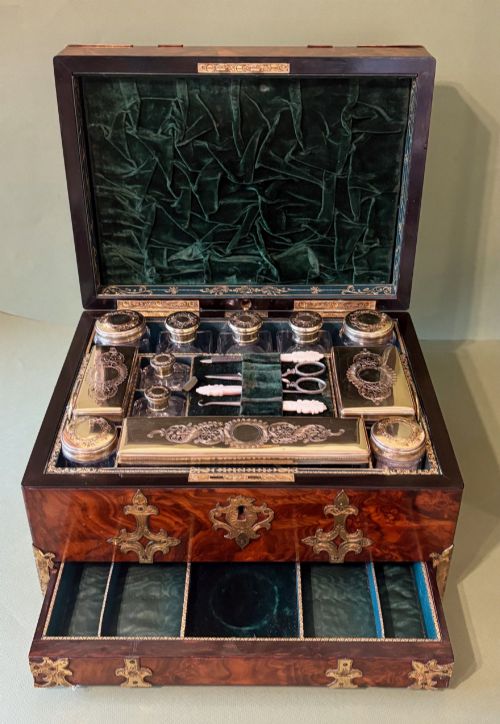
Forms extend beyond standalone table mirrors to include dressing cases and washstands incorporating glass and wooden frames. The selection centres on decorative household items from the late 19th and early 20th centuries.
Materials and construction
Makers utilised woods such as mahogany, satinwood, rosewood, and ash alongside glass and brass hardware. Painted surfaces and gold leaf provide decorative finishes on many items.
Fabric elements and carved wooden details, such as cherub crests, appear on wall mirrors from the Edwardian era. Inlay techniques adorn rosewood and mahogany writing and dressing tables.
Green Vanity Mirror Retail Price Guide 2026
Typical asking prices for green vanity mirror among the pieces listed under this phrase on Sellingantiques today, from the lower quarter to the upper quarter. They describe what is for sale here now, not the wider market.
Object forms include wall mirrors, dressing tables, washstands, and ladies writing desks.
Assessing quality in green vanity mirror examples
Quality rests in the execution of carved wooden details, painted decoration, and inlay work rather than the mere presence of materials. Pieces featuring specific period styling and refined carving display greater attention to design.
The integration of glass with brass fittings and secondary woods demonstrates the competence of the maker. Condition of the painted finishes and fabric components distinguishes well-preserved items from heavily worn examples.
George Walton·Richard Hudnut
The Green Vanity Mirror Glossary
- Satinwood
- A durable, light-coloured wood utilised for fine furniture and decorative veneers during the Edwardian period. It provides a smooth surface for polished finishes.
- Rococo Revival
- A 19th-century design style drawing on 18th-century French aesthetics, characterised by asymmetrical scrolls and naturalistic ornamentation. This style appears on decorative painted mirrors.
- Dressing Chest
- A lower chest of drawers fitted with an attached mirror, designed for bedroom use during the Victorian and Edwardian eras. These pieces often incorporate stained ash or mahogany.
- Florentine style
- An Italian decorative approach featuring ornate, carved, and gilded wooden frames. These mirrors often display rich surface decoration and scrollwork.
Green Vanity Mirror: Frequently Asked Questions
What periods do these mirrors come from?
The selection spans the late 19th century, Victorian, and Edwardian periods, stretching into the 1920s. Pieces reflect the specific design movements popular during these decades.
Buyers will find items showing Victorian, Edwardian Revival, and Continental Rococo influences alongside early 20th-century painted works.
How were these mirrors used?
These items served functional roles in bedrooms and dressing rooms for personal grooming and jewellery storage. Wall mirrors provided reflective surfaces while dressing chests combined storage with integrated glass.
Many pieces formed part of larger bedroom suites or writing desks used by ladies for correspondence and daily routines.
What materials are typical for these pieces?
Construction relies on woods like mahogany, satinwood, rosewood, and ash, paired with glass and brass hardware. Painted surfaces and gold leaf add colour and ornamentation.
Fabric elements, such as green fabric accents, and marble tops also appear on specific Edwardian and Victorian examples.
How do I identify different styles?
Styles are recognised through specific decorative motifs and woodwork characteristics. Rococo Revival pieces feature curved, ornate frames, whereas Edwardian satinwood items often display refined inlay and carved crests.
Italian Florentine mirrors show distinct regional carving patterns distinct from British or French pieces of the same era.