




Green Silver Pin
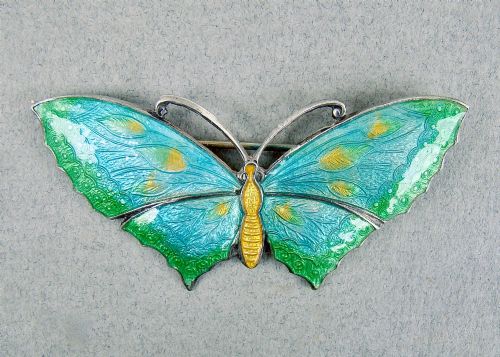
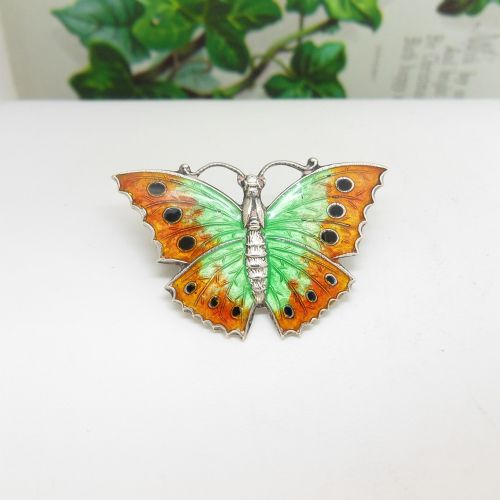
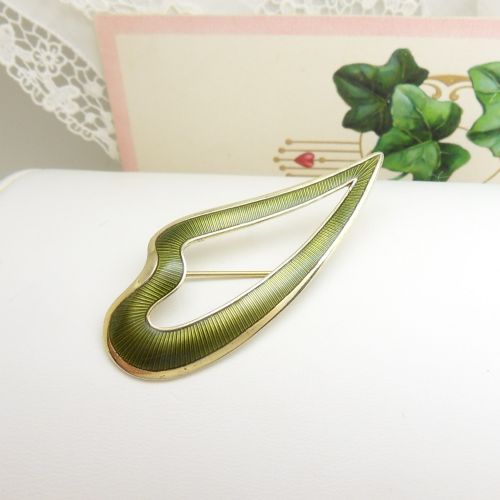
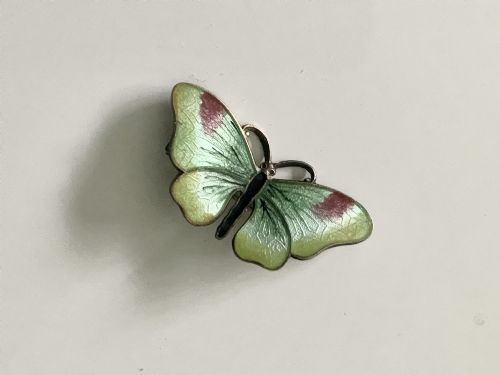
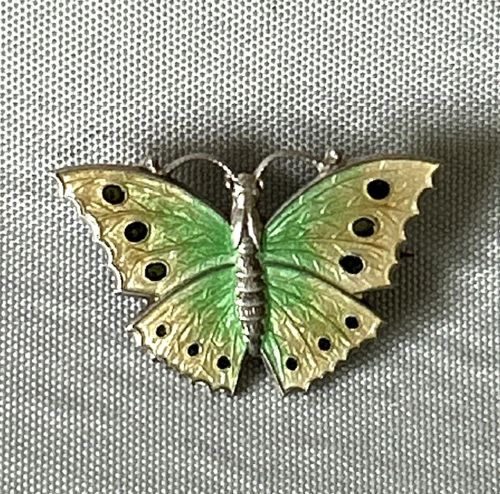
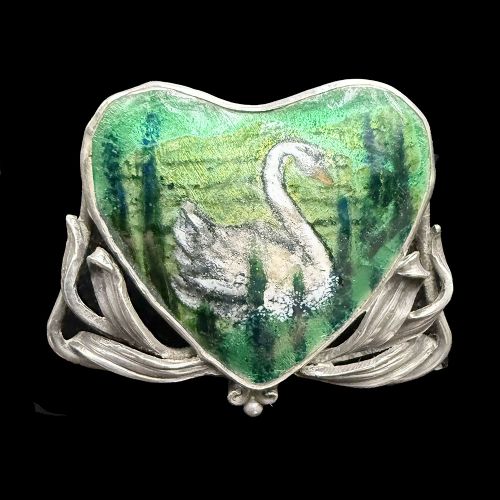
A green silver pin brings together cool sterling metal and vivid green enamel, paste, or agate in wearable forms.
Green Silver Pin
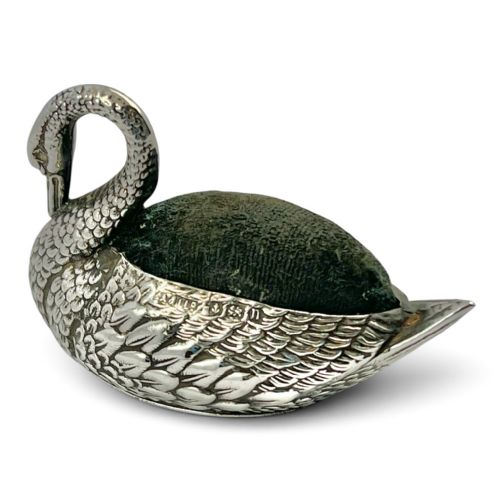
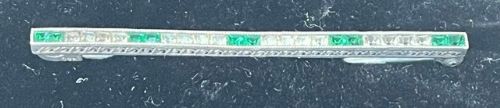
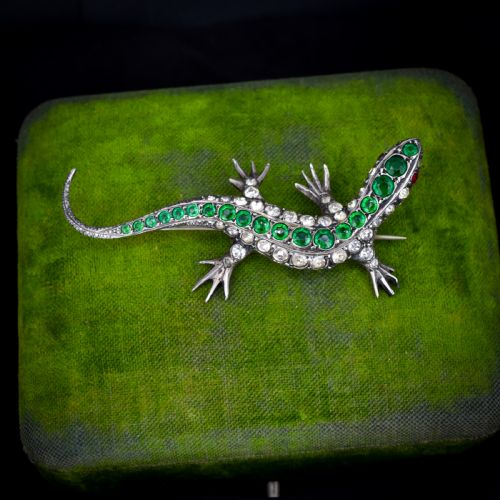
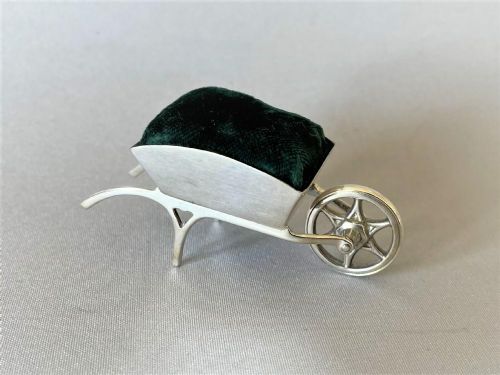
Buyers will frequently encounter charming novelty forms modelled as swans, bulldogs, ducks, goats, wheelbarrows, and roller skates alongside flora, fauna, and geometric bar designs. The overarching characteristic remains the combination of polished silverwork with verdant green stones or vitreous enamel.
The selection spans numerous decorative movements including Victorian, Edwardian, Art Nouveau, Jugendstil, Arts and Crafts, Art Deco, and Mid-Century Modern designs. Pieces hail from British makers as well as continental European workshops, particularly Norway, France, and Germany.
Materials and construction methods
Makers utilised sterling silver and silver gilt as the primary structural foundations for these items, frequently employing casting, hand-beating, and wirework techniques. Silver frames securely hold the decorative elements, whether cut gemstones or delicate vitreous coatings.
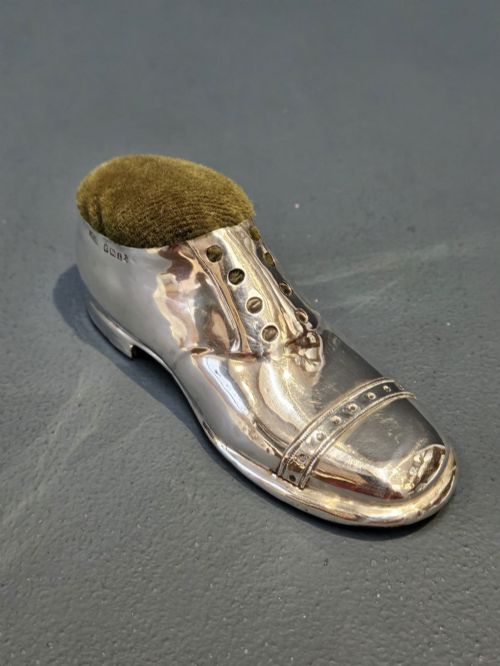
Specialised novelty pieces incorporate fitted velvet cushions within silver models, while brooch mechanisms rely on traditional pin stems, safety clasps, and hinge mountings securely soldered to the reverses.
Green Silver Pin Retail Price Guide 2026
Typical asking prices for green silver pin among the pieces listed under this phrase on Sellingantiques today, from the lower quarter to the upper quarter. They describe what is for sale here now, not the wider market.
A tiny silver wheelbarrow and a pair of roller skates prove the Edwardians found immense joy in miniaturising everyday objects into functional pin cushions.
Evaluating craftsmanship and condition
Quality rests upon the precision of the metalwork and the complexity of the decorative medium, such as the even translucency of hand-applied guilloche enamel or the careful facet cutting of green paste stones. Superior examples display crisp casting details on novelty animal forms and secure bezel or prong settings that firmly anchor every stone.
The reputation of the workshop also influences distinction, with signed Scandinavian or Guild pieces showing meticulous attention to finish on both front and reverse surfaces. Intact enamel free from chipping and original gilding remaining bright on silver gilt grounds separate finer survivals from heavily worn items.
Aksel Holmsen·Adie and Lovekin·Levinger and Bissinger·Artificer's Guild·Meyle and Mayer·Jakob Bengel
The Green Silver Pin Glossary
- Guilloche
- An ornamental pattern engraved into metal by an engine-turning machine beneath translucent enamel. This technique creates rhythmic geometric waves that shimmer under the surface.
- Paste
- Hand-cut and polished lead glass used to imitate gemstones like emeralds. Historical paste exhibits deep colour and individual foil backs to enhance brilliance.
- Plique-a-jour
- An enamelling technique where enamel is applied to open cells without a backing metal, resembling miniature stained glass. Light passes freely through the transparent green colours.
- Silver Gilt
- Sterling silver that has been coated with a thin layer of gold. This treatment provides a warm golden contrast against green enamel or stones.
- Agate
- A variety of chalcedony quartz showing natural banding or solid tones of green. Craftsmen polished these hardstones into cabochons for Scottish brooches and kilt pins.
Green Silver Pin: Frequently Asked Questions
What periods are these pieces from?
The inventory spans several eras, starting from the Victorian and Edwardian periods around eighteen ninety through nineteen ten. Later examples extend into the nineteen twenties, nineteen thirties, and mid-century modern decades.
Craftsmanship evolves from ornate revivalist metalwork through the fluid lines of Art Nouveau and Jugendstil towards the clean geometric shapes of Art Deco.
How were novelty pin cushions used?
Novelty pin cushions served a practical domestic purpose on dressing tables and desks during the late nineteenth and early twentieth centuries. Tailors, seamstresses, and households pinned sewing needles and straight pins directly into the velvet pads housed inside silver animals and objects.
Today, collectors appreciate these miniature silver sculptures as decorative desk accessories rather than working sewing tools.
How do I care for antique silver and enamel?
Keep silver and enamel pieces away from harsh chemical dips, ultrasonic cleaners, and abrasive polishes that can ruin delicate enamel work or strip silver gilt. Use a soft microfibre cloth gently on the silver surfaces to remove tarnish.
Store brooches and pins individually in padded boxes to prevent scratching between items.
What is the difference between a kilt pin and a brooch?
Kilt pins are traditionally heavier, sturdier fastenings designed to secure heavy woollen tartan cloth through the weight of the fabric alone. They frequently take the form of broadswords or large sabre motifs set with agate.
Standard brooches are lighter decorative accessories intended to fasten delicate garments, scarves, or lapels using a hinged pin stem.