





Green Ship Painting
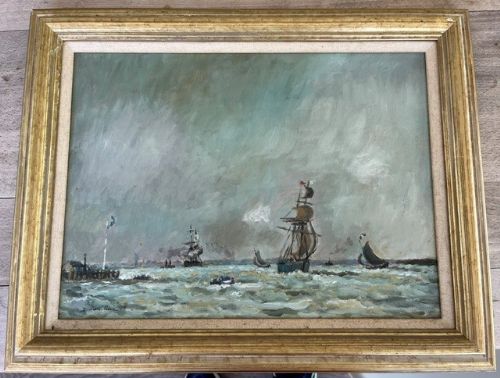
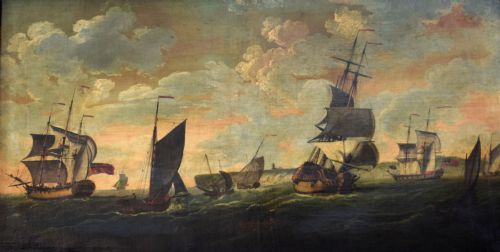
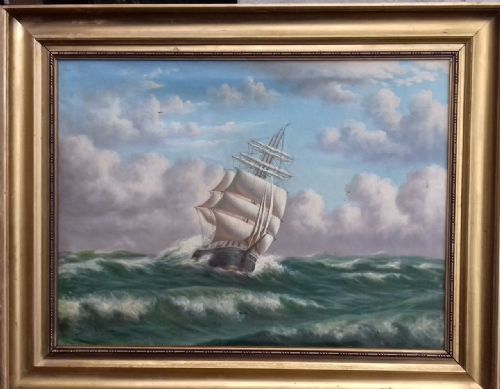
A green ship painting captures the enduring drama of maritime history, offering collectors a striking window into naval warfare, coastal trade, and ocean voyages.
Green Ship Painting
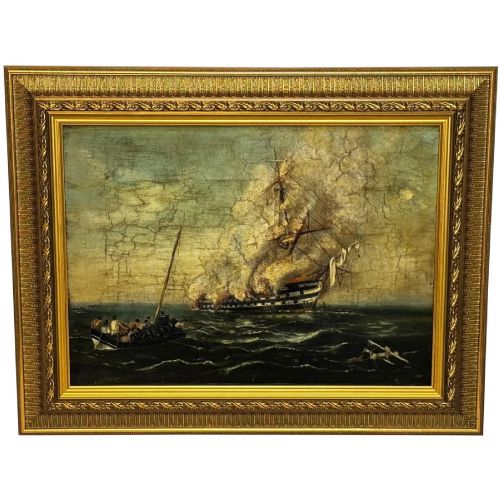
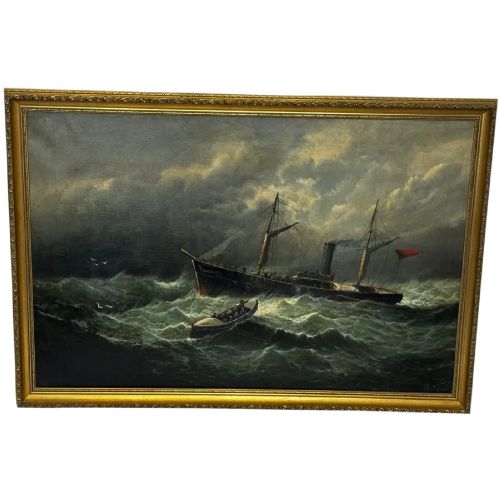
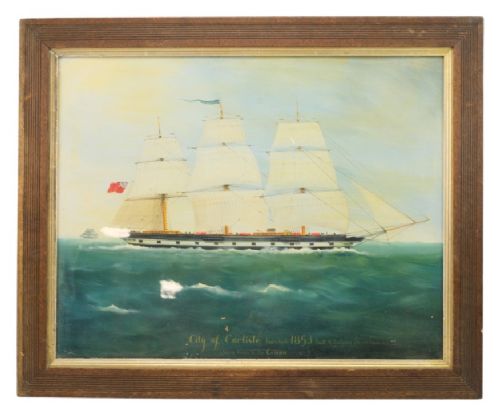
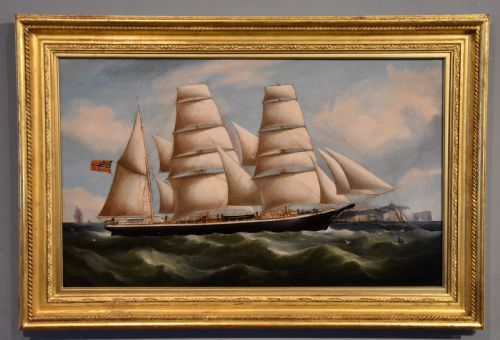
A green ship painting encompasses marine art depicting vessels upon emerald or slate-green seas, ranging from dramatic naval engagements to calm coastal shipping scenes. Buyers pursuing a green ship painting will encounter works spanning the eighteenth century through the mid-twentieth century, capturing sailing ships, barques, and steamers in various weather conditions.
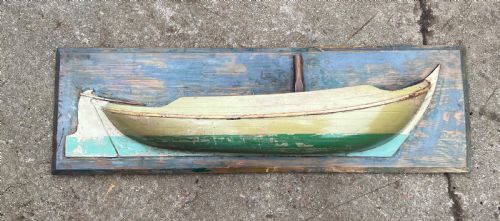
The selections available lean heavily towards nineteenth-century maritime oils on canvas, alongside British folk art models and mid-century French seascapes. These pieces frequently record specific named vessels, historical maritime events, or traditional coastal craft operating off British and European shores.
Materials and methods
The works rely upon oil paint applied to stretched canvas, wood panels, or board, capturing the shifting light and turbulent motion of open water. Painters built up their compositions using layered pigments to achieve the characteristic deep green and grey tones of the sea.
Many historical examples retain their original wooden frames, frequently enhanced with gold leaf or gilt wood surrounds that complement the maritime subject matter. Certain decorative panels and ship models incorporate carved wood, canvas, and painted surfaces to create three-dimensional representations of naval architecture.
Green Ship Painting Retail Price Guide 2026
Typical asking prices for green ship painting among the pieces listed under this phrase on Sellingantiques today, from the lower quarter to the upper quarter. They describe what is for sale here now, not the wider market.
One smoker's room panel once offered passengers aboard a liner a daily dose of maritime art while they relaxed.
Assessing the standard
Quality within these maritime works rests upon the artist's command of rigging accuracy, hull proportion, and the convincing movement of water against timber or iron. Superior examples demonstrate a nuanced understanding of nautical architecture and atmospheric perspective.
The handling of the green and blue pigments to render realistic sea states distinguishes accomplished academic or studio works from simpler folk art interpretations. Original framing and documented attributions to known marine artists further elevate the standing of a piece.
William Broome·Richard B. Spencer·Marie-Edouard Adam·Charles Cameron Baillie·Charles Martin Powell·Francis Holman
The Green Ship Painting Glossary
- Barque
- A sailing vessel with three or more masts having the fore and main masts square-rigged and the mizzenmast fore-and-aft rigged. This rig was common for medium-sized cargo carriers of the nineteenth century.
- Frigate
- A fast, medium-sized warship with a mixed sail plan, used historically for patrol and escort duties. Artists frequently depicted them in multiple positions to demonstrate naval manoeuvres.
- Seascape
- A work of art depicting the sea, distinct from a landscape which focuses primarily on land. In marine painting, the water itself and atmospheric conditions take precedence.
- Gilt wood
- Wood that has been treated with a thin layer of gold leaf or metallic powder for decorative effect. Period frames often utilise this technique to frame oil paintings.
Green Ship Painting: Frequently Asked Questions
What is a green ship painting?
A green ship painting is a marine artwork featuring vessels set against distinctively green or grey-green ocean waters. These pieces document historical shipping, naval engagements, and coastal craft.
They serve as both historical records of maritime heritage and decorative focal points for interiors.
How old are these maritime paintings?
The available works primarily date from the eighteenth to the mid-twentieth century, capturing various eras of sail and early steam propulsion.
Nineteenth-century examples dominate the selection, reflecting the height of traditional marine painting.
Where were these marine paintings created?
The pieces originate predominantly from British and European schools, reflecting the maritime traditions of nations with significant seafaring history.
Works include English coastal scenes, French mid-century seascapes, and Dutch fishing boat compositions.
How do I care for an oil painting?
Oil paintings on canvas require stable environmental conditions away from direct sunlight and excessive humidity to prevent paint cracking and canvas degradation.
Dusting should be done gently with a soft, dry brush without applying pressure to the painted surface.