

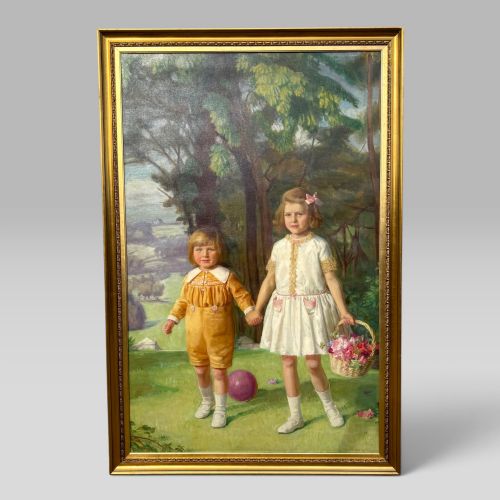
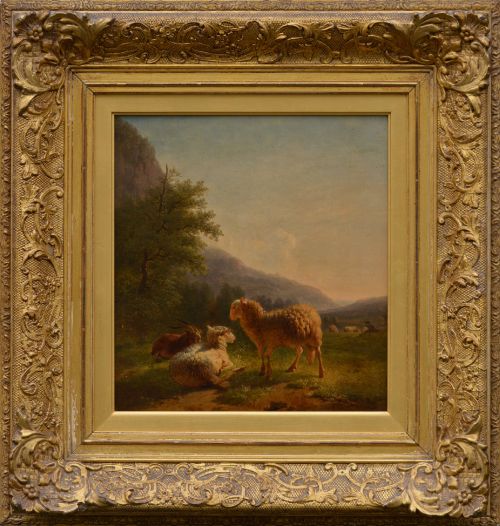
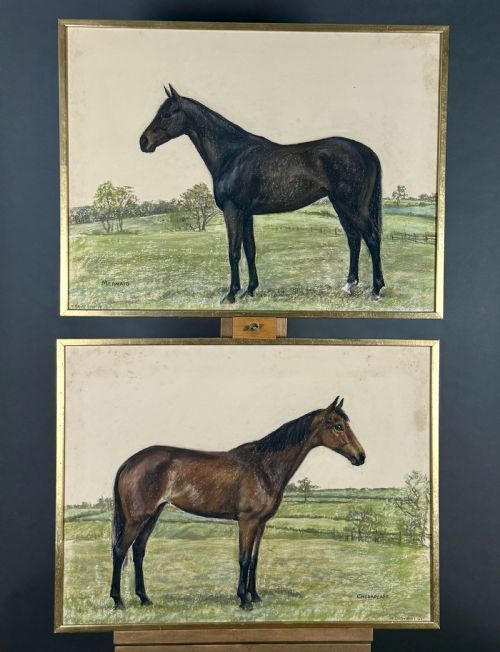
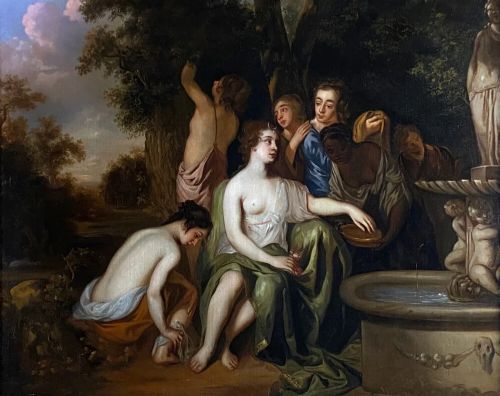
Green Portrait Artwork
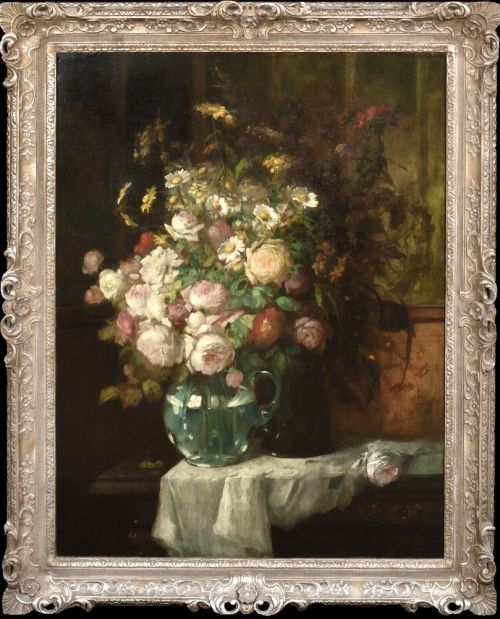
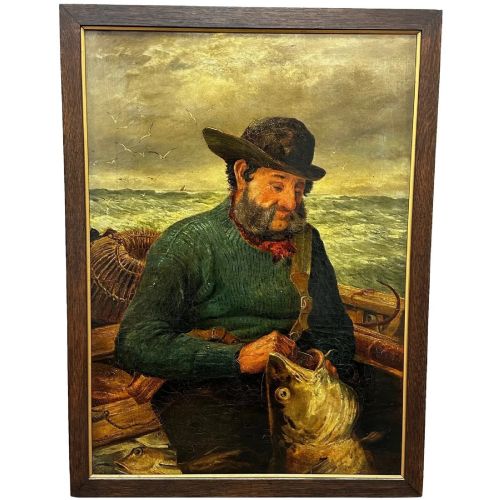
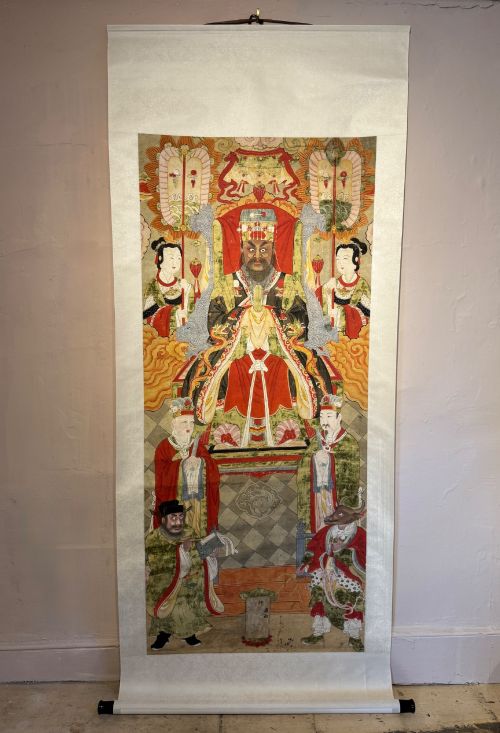
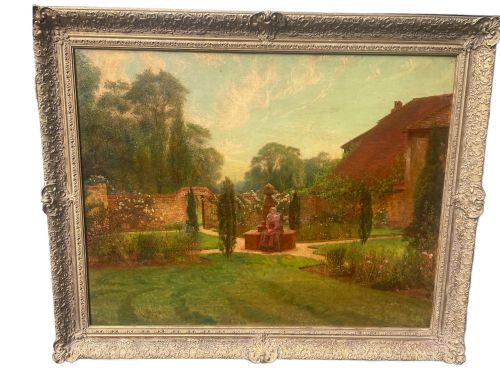
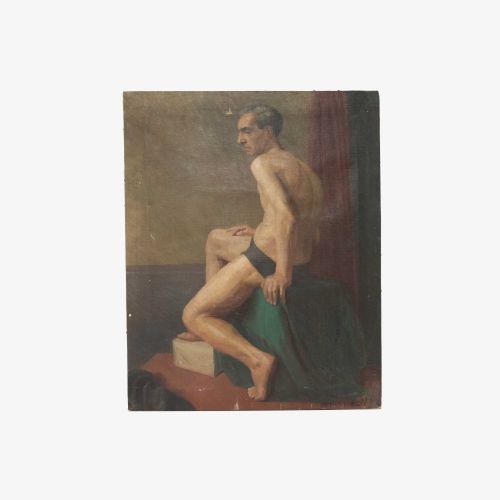
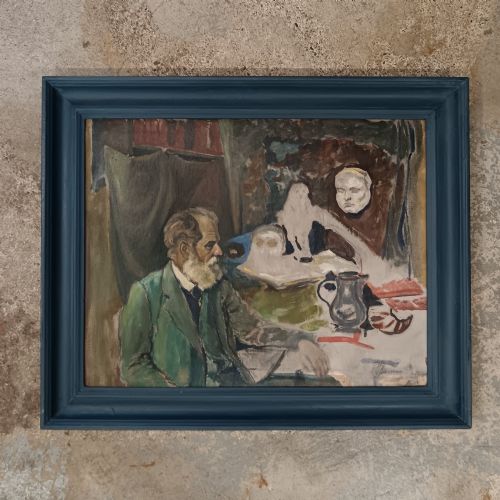
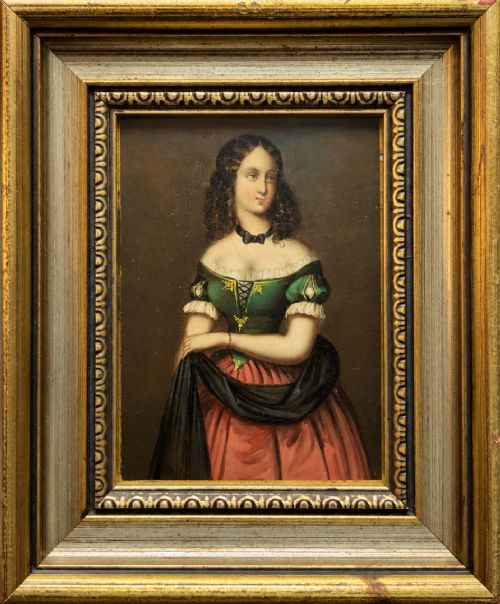
Green portrait artwork brings together centuries of painted likenesses and figurative studies linked by tone, spanning early panel works to mid-century canvases.
Green Portrait Artwork
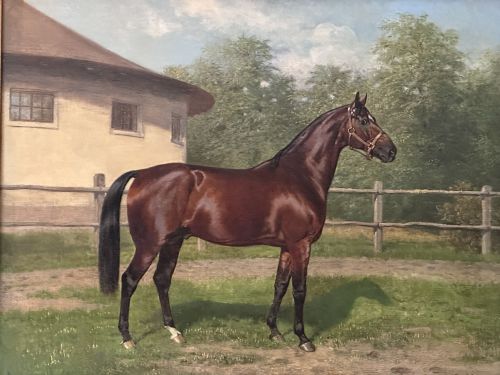
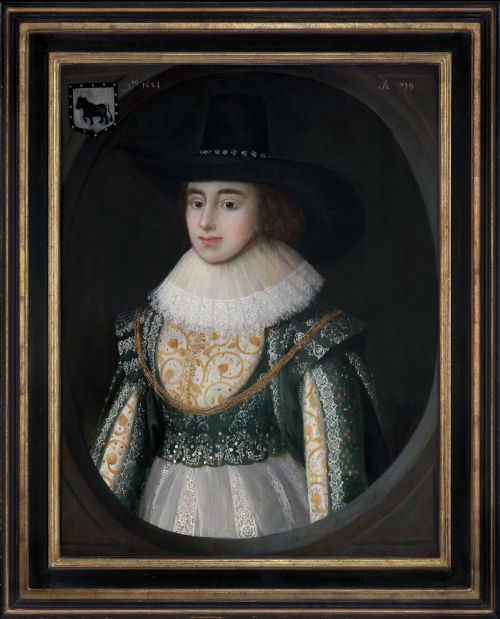
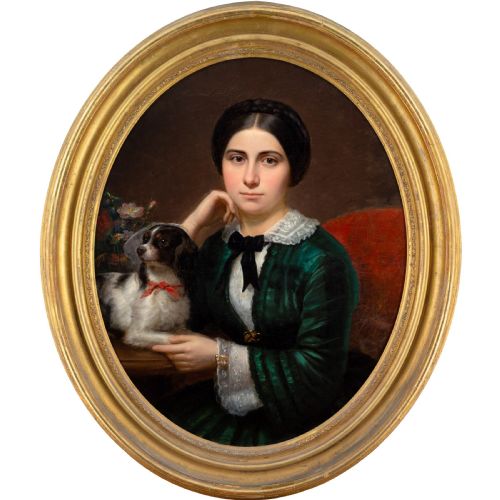
When browsing green portrait artwork, buyers encounter a diverse array of painted human and animal subjects captured across different centuries. The pieces range from seventeenth-century oil on panel works to twentieth-century oils on board and paper studies.
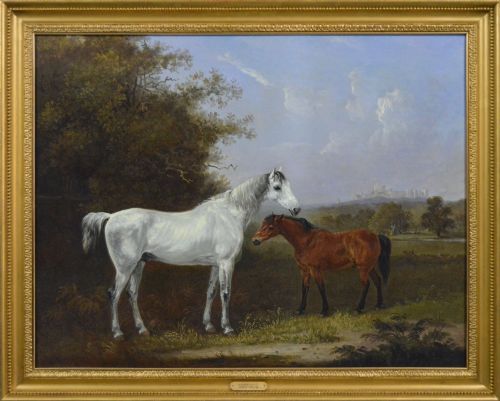
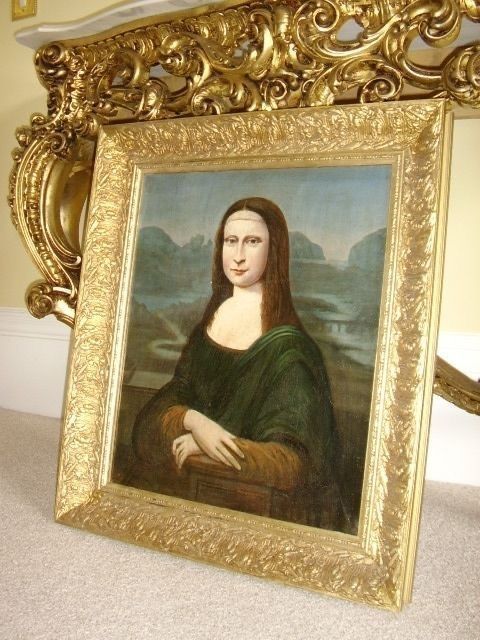
Victorian and Edwardian examples sit alongside mid-century compositions and naive folk art interpretations. Portrait paintings and equestrian studies dominate the current selection, often housed in period frames.
The material presentation varies from traditional oil on canvas to reverse painted mezzotints and watercolours. Many items reflect distinct regional schools, including English, French, and German traditions.
Materials and methods
Makers utilised oil paint applied to canvas, wood panels, or board as the primary medium for durable portraiture. Pastels on paper and watercolours also appear frequently across the selection.
Substantial giltwood and ornate frames frequently accompany these paintings, providing structural support and period context. Mezzotint printmaking techniques also feature among the printed portrait works.
Green Portrait Artwork Retail Price Guide 2026
Typical asking prices for green portrait artwork among the pieces listed under this phrase on Sellingantiques today, from the lower quarter to the upper quarter. They describe what is for sale here now, not the wider market.
The listings include works spanning from the 17th century to the mid-20th century, utilising oil paint, watercolour, and pastel.
Assessing quality and execution
The preservation of the original paint surface and the integrity of the support structure dictate the longevity of the piece. Authentic period frames that complement the painting add significant contextual value to the artwork.
Cornelius Johnson·Sir Peter Lely·Charles Spooner·Nicolaes Maes
The Green Portrait Artwork Glossary
- Oil on canvas
- Pigments bound in a drying oil applied to a woven fabric stretched across a wooden frame. This method became standard for durable portrait painting from the seventeenth century onward.
- Oil on panel
- Pigments suspended in oil applied directly to a prepared wooden board or panel. This technique was favoured by early makers for stability before canvas gained widespread use.
- Mezzotint
- A printmaking process of the intaglio family where the copper plate is roughened to achieve rich dark tones. Scraped highlights create smooth gradations suited for reproducing portraits.
- Naive art
- Artwork created by an artist without formal training, often characterised by a flat perspective and direct representation. These pieces rely on instinct and personal expression rather than academic rules.
Green Portrait Artwork: Frequently Asked Questions
How do I date an antique portrait?
Dating relies on the style of the sitter's costume, the framing materials, and any visible signatures or inscriptions on the reverse.
Material analysis of the canvas or wood panel further helps narrow down the period of creation.
What is the difference between oil on canvas and oil on panel?
Canvas provides a textured woven surface stretched over a wooden frame, which became the dominant support for paintings from the seventeenth century onward.
Panel paintings use solid wood boards, offering a rigid and smooth foundation often found in earlier works.
How should I care for an old oil painting?
Keep the artwork away from direct sunlight and fluctuating humidity levels to prevent the canvas or wood from warping.
Dust the surface gently with a soft, dry brush without applying any liquid cleaners or commercial polishes.
What does naive art mean in portraits?
Naive art refers to paintings made by self-taught artists who disregarded strict rules of perspective and anatomical proportion.
These works possess a charming directness and honesty that sets them apart from formal academic portraiture.