


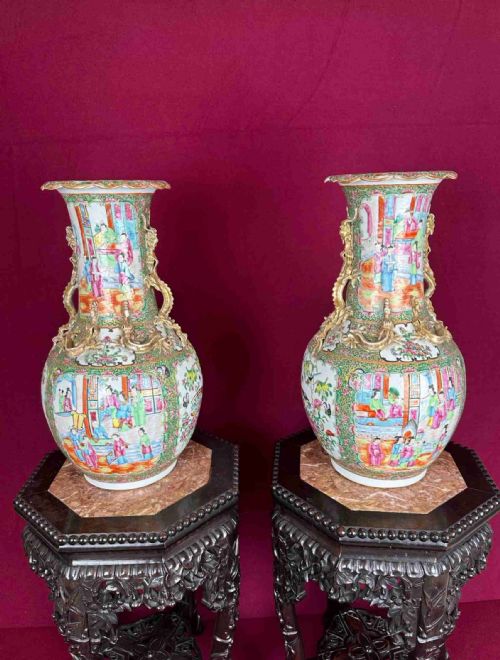


Green Porcelain Jar
A green porcelain jar brings together centuries of kiln skill and glaze chemistry, offering a striking display of colour and form.
Green Porcelain Jar
A green porcelain jar encompasses vessels shaped from ceramic materials, decorated with enamel, glaze, and overglaze enamel across multiple eras.
The pieces grouped under the search phrase green porcelain jar span periods from pre 16th century dynasties to Victorian and Art Deco workshops.
Forms range from ginger jars and table lamps to trinket boxes and baluster vases, often featuring Chinese export or European ceramic styles.
Materials and Techniques
Makers shaped porcelain and ceramic bodies before applying liquid glaze, overglaze enamel, and gold leaf or gilding.
Firing kilns transformed raw clay and mineral pigments into durable vessels, sometimes incorporating brass mounts or glass elements.
Green Porcelain Jar Retail Price Guide 2026
Typical asking prices for green porcelain jar among the pieces listed under this phrase on Sellingantiques today, from the lower quarter to the upper quarter. They describe what is for sale here now, not the wider market.
Materials recorded across current pieces include porcelain, enamel, gold leaf, ceramic, brass, and gilding.
Assessing Quality
The refinement of the painted brushwork and the depth of the glaze set finer vessels apart from standard production items.
The precision of the form and the preservation of hand-painted details across the porcelain surface determine the distinction of a piece.
Fasold and Stuach·Royal Vienna·Royal Winton·Royal Worcester
The Green Porcelain Jar Glossary
- Porcelain
- A hard, fine-grained ceramic material fired at high temperatures to achieve a vitrified, non-porous body. It forms the foundation for many antique jars and vases.
- Glaze
- A glassy coating fused to a ceramic body through firing. It provides waterproof qualities and colour variation.
- Enamel
- Opaque or translucent glassy material applied over a glazed or unglazed surface and fired again. It permits detailed polychrome decoration.
- Overglaze Enamel
- Pigments applied on top of a previously fired glaze and fixed with a lower-temperature firing. This technique allows for bright, multi-coloured surface designs.
- Chinoiserie
- European artistic styles reflecting Chinese motifs and techniques. It appears frequently in decorative vessels from later centuries.
Green Porcelain Jar: Frequently Asked Questions
How are green porcelain jars cleaned?
Dust surfaces gently with a soft, dry cloth to protect the glaze and enamel work.
Avoid liquid cleaners or soaking, particularly on pieces with gold leaf or overglaze painting.
Can these jars hold water?
Many antique porcelain vessels function primarily as decorative objects or dry storage rather than water-tight vases.
Check for interior glaze coverage or hairline fractures before exposing the ceramic body to moisture.
What periods do these pieces date from?
The selection includes items spanning from pre 16th century Song and Yuan dynasties through 18th and 19th century Qing pieces.
Later examples extend into Victorian production and 1930s Art Deco ceramics.
How do I identify Chinese export styles?
Look for characteristic motifs such as Famille Verte, Famille Rose, and Wucai enamel palettes applied to porcelain bodies.
Form shapes like ginger jars and baluster vases often reflect traditional Qing dynasty production.