




Green Painted Box
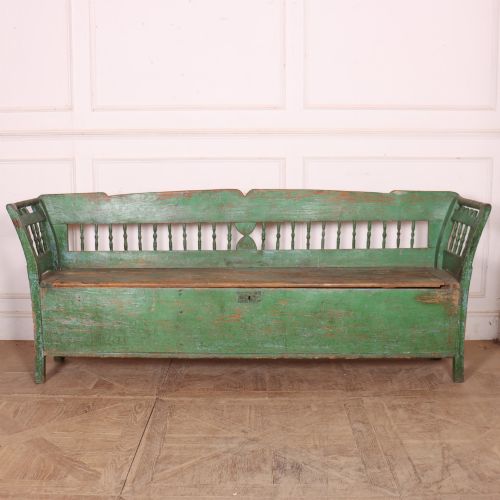
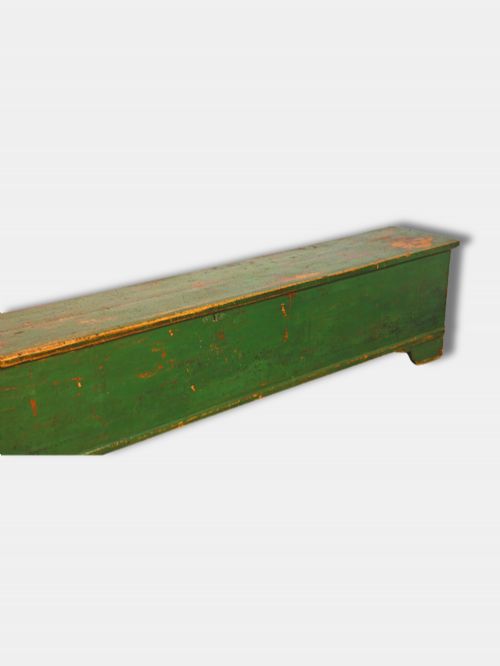
These green painted box examples range from country pine trunks to refined leather travel cases, offering practical storage with historic pigment character.
Green Painted Box
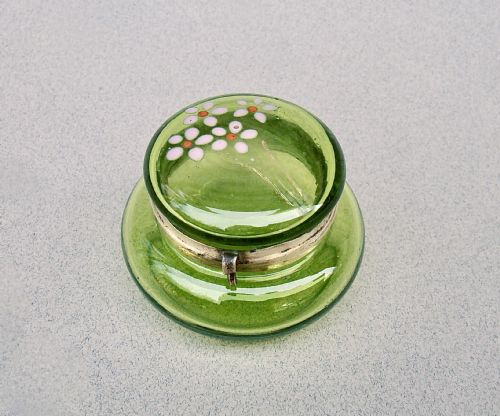
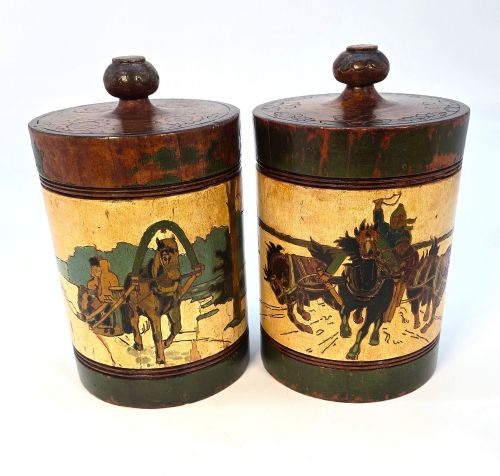
A green painted box serves as a utilitarian storage vessel, spanning domestic blanket chests, travel trunks, and small tabletop trinket cases. These items emerge from various vernacular traditions, including Welsh, Scandinavian, Austrian, and Hungarian country workshops.
The pieces on this page lean heavily toward 19th-century pine construction, alongside Georgian leather and oak examples. Buyers encounter everything from large marriage chests to small snuff boxes and strong boxes.
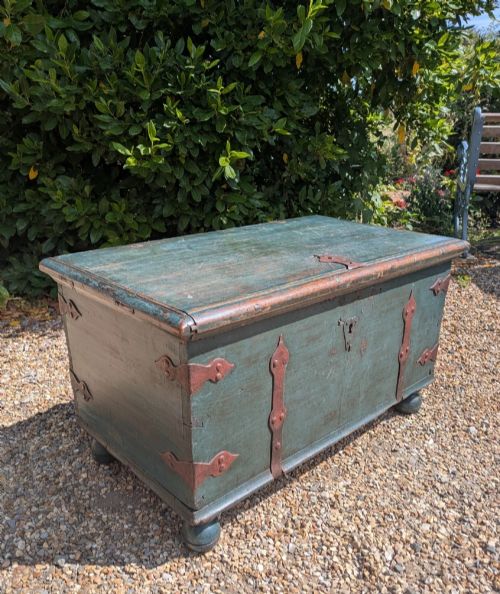
Regional styles dictate the character of the piece, shifting from heavy iron strapwork on alpine chests to delicate lacquer work on English and Asian export items. The survival of original pigment remains the primary draw for collectors seeking authentic surface wear.
Materials and construction methods
Makers relied primarily on solid pine, oak, and occasionally satinwood or papier mache for the body of the container. Iron strapwork, brass hinges, and hand-forged locks provided structural reinforcement and security.
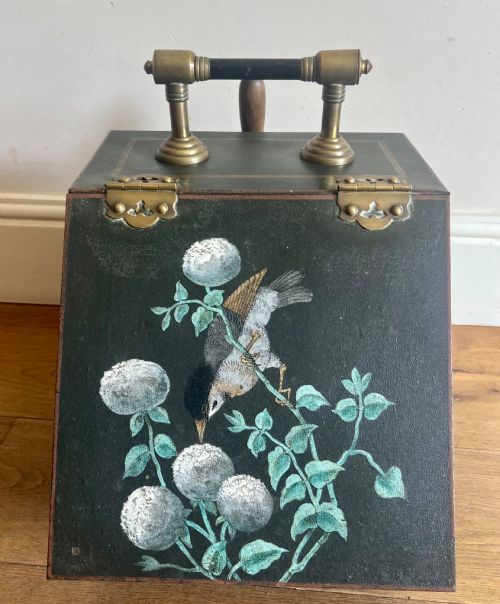
Surfaces were coated in oil or water-based green paint, sometimes layered over earlier colours or finished with decorative folk art motifs. Leather and tole ware variations utilised stretched hide or shaped metal treated with protective coatings.
Green Painted Box Retail Price Guide 2026
Typical asking prices for green painted box among the pieces listed under this phrase on Sellingantiques today, from the lower quarter to the upper quarter. They describe what is for sale here now, not the wider market.
One tiny tin container spent two centuries holding ground tobacco before finding a second life on a collector's desk.
Judging the quality of surface and build
The integrity of the original green paint surface dictates the standing of the piece. Traces of historic patina, natural chipping, and untouched pigment carry far more weight than later refinishing.
Joinery techniques reveal the origin and capability of the maker. Dovetailed corners, hand-forged iron strapwork, and original working locks with matching keys distinguish superior workshop output from simpler domestic items.
The Green Painted Box Glossary
- Patina
- The surface ageing and wear accumulated on wood and paint over centuries. This characteristic signals genuine age and handling.
- Strong box
- A heavy-duty metal or iron-bound wooden chest designed for securing valuables. These items often include complex internal locking mechanisms.
- Marriage chest
- A large storage trunk commissioned or gifted for a wedding. They frequently display specific dates, initials, or regional decorative motifs.
Green Painted Box: Frequently Asked Questions
How do I date a green painted box?
Dating relies on assessing the construction methods, nail types, and wood shrinkage visible on the interior and base. Hand-cut dovetails and forged ironwork generally point to earlier Georgian or 19th-century origins.
The paint layer itself provides crucial evidence when examined under magnification. Craquelure, pigment type, and wear patterns around handles help confirm whether the green surface is original to the period.
Were these boxes used for travel or storage?
Function depended entirely on the scale and build of the container. Large trunks, strong boxes, and coaching chests travelled on vehicles or ships, requiring sturdy iron straps and dependable locks.
Smaller examples such as trinket boxes, snuff boxes, and workboxes stayed inside the home for personal items. Their interiors often retained original silk or paper linings tailored to specific keepsakes.
How do I care for original painted wood?
Maintenance requires stable indoor humidity and protection from direct sunlight, which fades historic pigments. A simple dusting with a dry, soft cloth is normally sufficient for fragile painted surfaces.
Avoid applying modern waxes or harsh cleaning solutions to antique paint. Many traditional finishes remain sensitive to moisture and chemical solvents.
What does folk art mean in these listings?
Folk art describes items made by local artisans or self-taught makers working outside metropolitan design standards. These pieces prioritise practical utility combined with regional decorative painting.
Such objects often display charming irregularities in shape and brushwork. These distinct traits reflect the individual maker and their specific geographic community.