




Green Modernist Art
Green modernist art spans oil paintings, prints, clocks and metalwork from decades including the 1930s and 1950s, bringing vibrant colour and bold form to a room.
Green Modernist Art
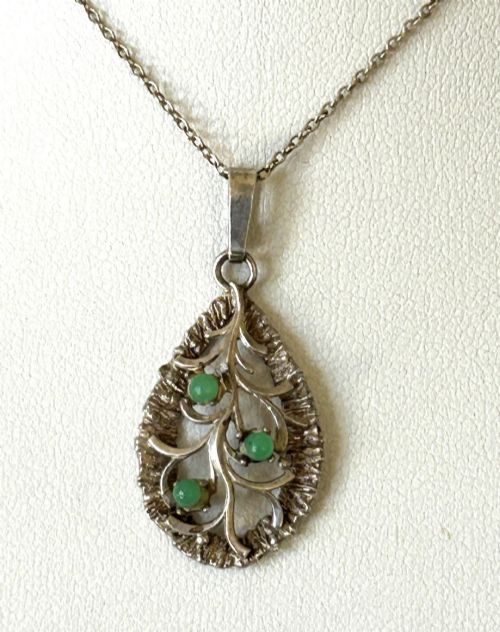
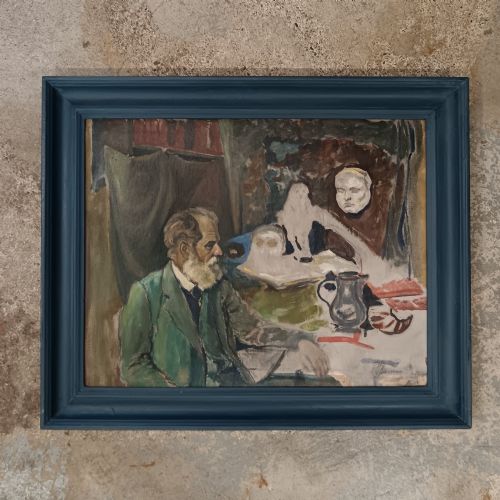
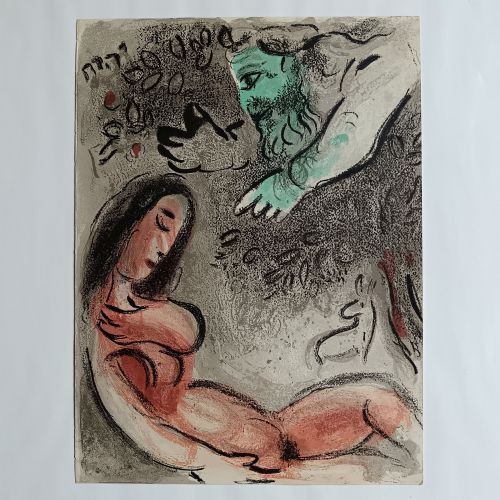
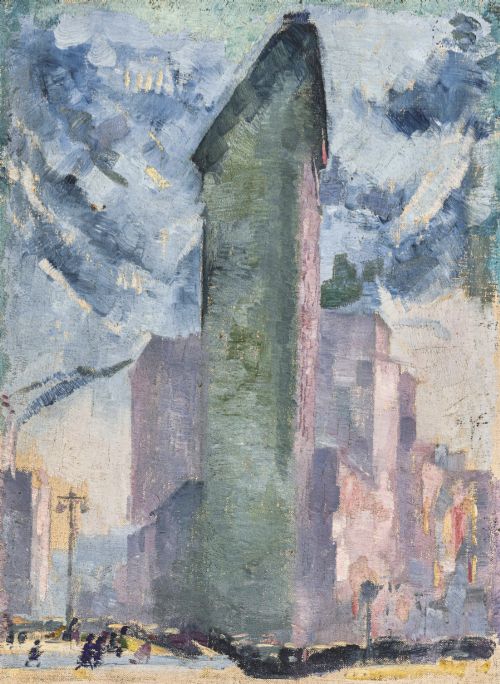
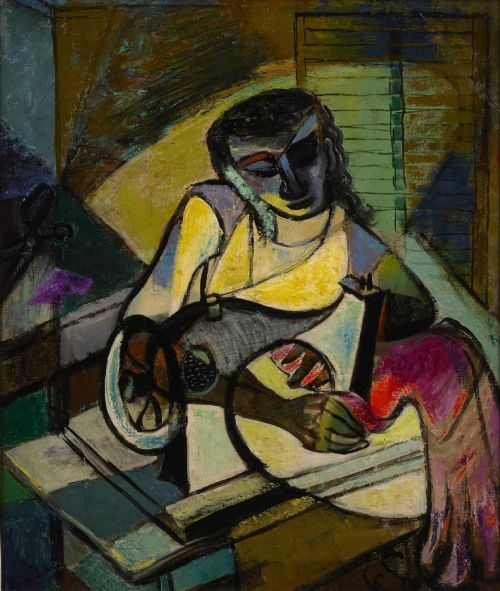
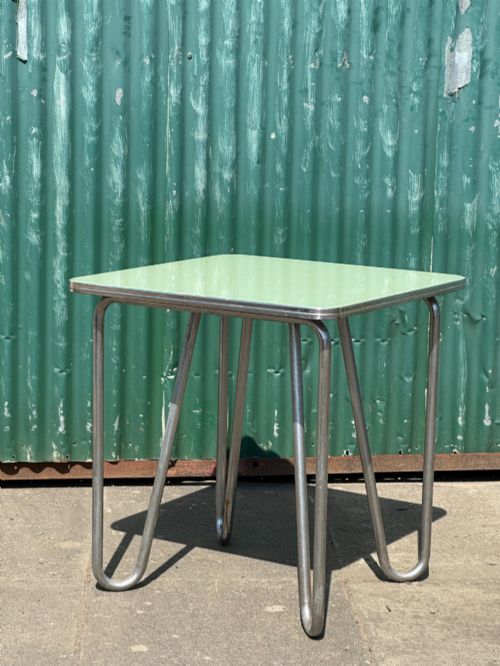
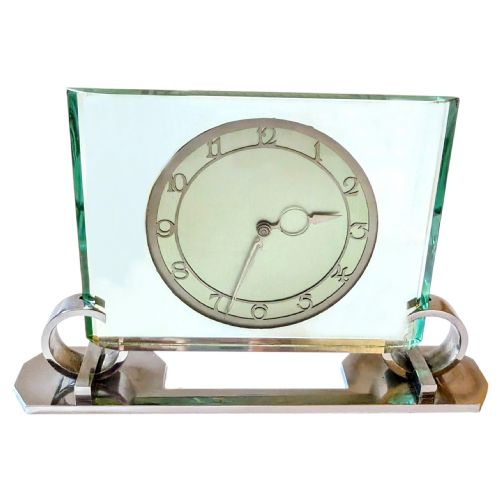
Green modernist art encompasses oil paintings, gouache on paper, lithographs and art prints alongside decorative objects such as clocks, earrings, cufflinks, side tables and brooches. The selection draws primarily from periods like the 1930s, 1940s, 1950s and 1960s, reflecting styles from Art Deco and Mid-Century Modernism to Expressionism, Post-Impressionism and French Modernism.
Buyers encounter oil paintings on canvas and board alongside works on paper, printed editions, cast bronze sculptures and chrome accessories featuring enamel or green glass. These pieces showcase landscapes, still lifes, portraits and abstract compositions created across Britain and continental Europe.
How They Were Made
Painters applied oil paint and gouache onto stretched canvas, paper and board, while printmakers produced lithographs and art prints. Decorative items combined industrial materials including chrome, bakelite, phenolic, silver plate and green glass.
Makers formed metal objects through casting, plating and enamelling, constructing functional pieces like clocks and tables alongside jewellery and wearable accessories.
Green Modernist Art Retail Price Guide 2026
Typical asking prices for green modernist art among the pieces listed under this phrase on Sellingantiques today, from the lower quarter to the upper quarter. They describe what is for sale here now, not the wider market.
Several clocks and earrings from the 1930s prove that someone decided timekeeping and lobes both needed a serious dose of green chrome.
What Varies In Quality
Quality depends upon the strength of the composition, the assuredness of the brushwork or line, and the integrity of the materials used in both paintings and decorative objects. Pieces by documented artists or established workshops show a higher fidelity to their respective modernist styles.
Condition plays a role, with well-preserved surfaces on canvases, minimal wear on chrome and metalwork, and undamaged glass or enamel elevating the piece.
Marc Chagall·Carl Felkel·Alfred Wolmark·Lena Gurr·Denis Mitchell·William McCance·Rene Andre Varnier·Yo Mayer·Rowland Fade·Kenneth B Malpass·Jakob Bengel·Alastair Flatterly
The Green Modernist Art Glossary
- Lithograph
- A print made from a stone or metal plate on which an image has been drawn with a greasy medium. This technique allows for fluid lines and faithful reproduction of works on paper.
- Gouache
- An opaque water-based paint that dries to a matte finish, frequently used on paper for vibrant sketches and studies. It provides dense colour saturation compared to traditional watercolour.
- Bakelite
- An early synthetic plastic utilised for jewellery, clock cases and decorative fittings during the twentieth century. It offers durability and a distinctive tactile quality suited to industrial designs.
- Cubist
- A style involving the breakdown of subjects into geometric planes and multiple viewpoints. It revolutionised twentieth-century painting by abandoning traditional perspective.
Green Modernist Art: Frequently Asked Questions
What periods do green modernist art pieces date from?
The items range from early twentieth-century pieces through the 1930s, 1940s, 1950s, 1960s and later. These dates reflect the core decades of modernist movements.
Specific decades appear across various categories, connecting paintings, prints and metalwork to distinct mid-century design eras.
What materials are used in these modernist objects?
Makers utilised canvas, oil paint, paper, wood, glass, chrome, bakelite and silver plate. These media span both fine art and applied design.
Painters worked with oils and gouache on canvas and board, whilst designers incorporated industrial metals and plastics into clocks and jewellery.
How do I care for modernist oil paintings?
Keep paintings away from direct sunlight and extreme temperature fluctuations to protect the canvas and pigments. Dust gently with a soft, dry brush.
Avoid moisture or chemical cleaners on the painted surface and consult a professional restorer for cleaning.
How do I identify Art Deco metalwork?
Look for geometric shapes, streamlined forms and the use of chrome, bakelite or enamel. These materials define the decorative aesthetic of the period.
Clocks, brooches and cufflinks from this era often feature symmetrical patterns and clean industrial lines.