


Green Mahogany Sofa
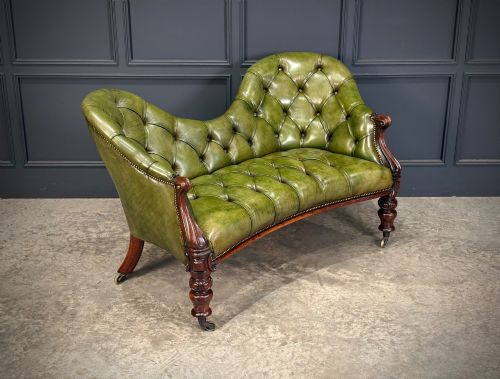
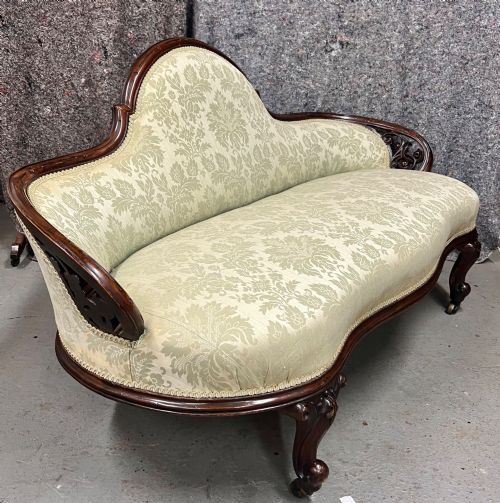
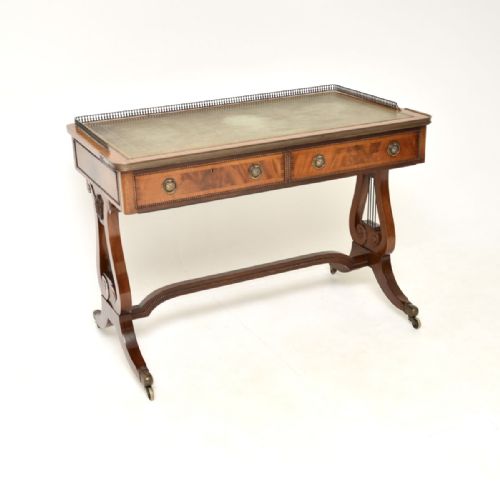
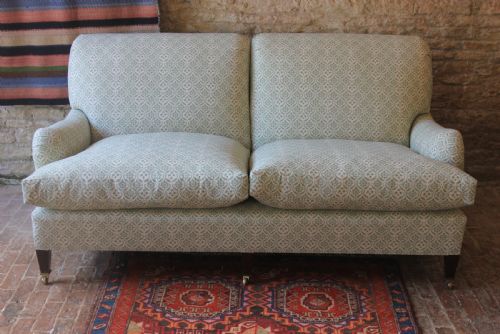
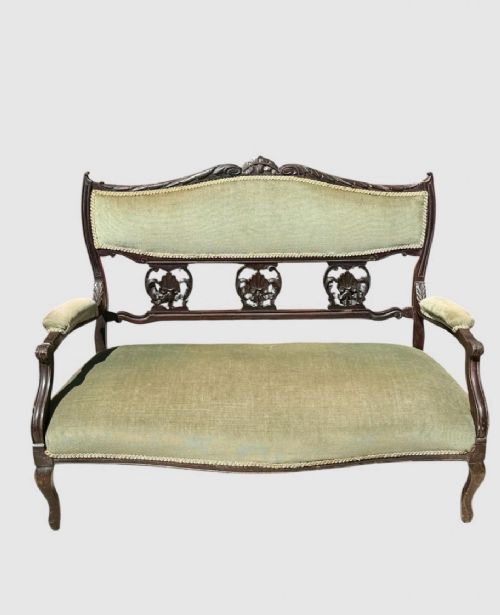
A green mahogany sofa brings rich mahogany frames and striking green upholstery together, offering a traditional seat for a drawing room or study.
Green Mahogany Sofa
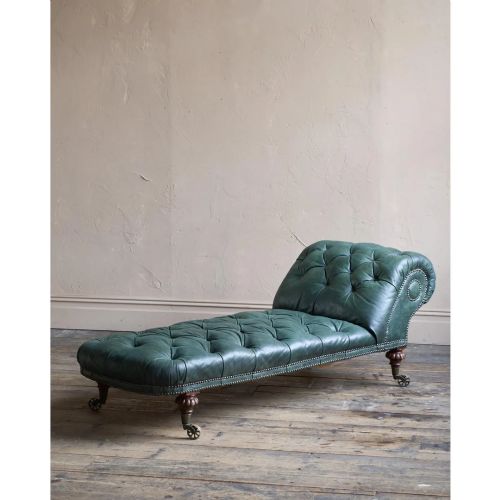
When you search for a green mahogany sofa, you encounter seating built across the nineteenth and eighteenth centuries, including Victorian, Regency, and Georgian periods. The forms range from scroll-end settees and double spoon-back designs to chaise longues and large country house sofas.
You are most likely to meet Victorian and Regency examples upholstered in green leather, velvet, or silk fabric. These pieces often feature mahogany frames paired with brass details or ceramic castors.
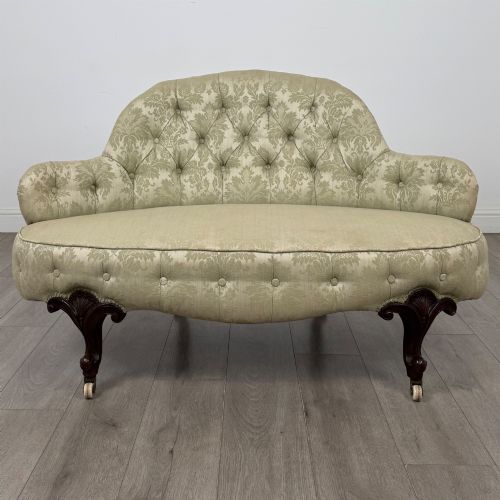
The selection also spans revival pieces such as Chippendale and George II styles, alongside Edwardian two-seater settees. Each version demonstrates how makers adapted traditional mahogany framing for formal reception rooms and libraries.
Materials and construction
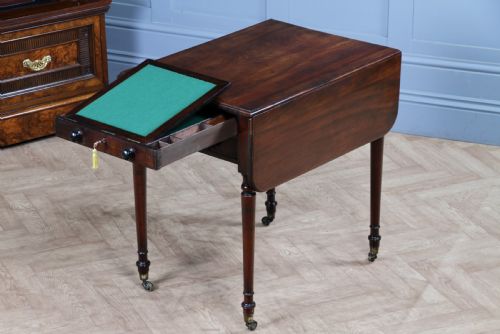
Craftsmen built these frames using solid mahogany and wood veneers, often shaping the timber into carved scroll arms, spoon-backs, or lyre shapes. Brass components frequently appear on castors and decorative mounts.
Upholstery required traditional textiles such as leather, velvet, damask, and silk fabric, sometimes finished with buttoning. Frames were constructed to support substantial padding for reception and salon use.
Several pieces double as elegant resting places for tired hounds in grand country house hallways.
Judging the work
Quality rests upon the depth of the mahogany carving and the crispness of the framing details. Pieces showing refined proportions and clean joinery stand apart from simpler utilitarian frames.
The standard of the upholstery finish also distinguishes the pieces, from hand-finished leather buttoning to precisely applied velvet and silk. Well-preserved frames retain their original structural integrity and timber patination.
Howard and sons·Willmington & Cope
The Green Mahogany Sofa Glossary
- Spoon-back
- A padded chair or sofa back shaped distinctly like the bowl of a spoon, popular during the Victorian period. This ergonomic curve fitted the sitter's spine.
- Chaise longue
- An elongated upholstered seat intended for reclining, combining a chair with a footstool length. These pieces often feature a single raised end.
- Scroll end
- A sweeping, curved arm or terminal shaped like a scroll, seen frequently on Regency and nineteenth-century settees. It provides a distinct architectural silhouette.
- Damask
- A reversible figured fabric woven on a jacquard loom, frequently utilised for traditional upholstery. Patterns appear through contrasting warp and weft satin weaves.
Green Mahogany Sofa: Frequently Asked Questions
What periods do these green mahogany sofas come from?
The pieces span the eighteenth and nineteenth centuries, including Georgian, Regency, Victorian, and Edwardian eras. You will also encounter revival styles from later dates.
Craftsmen built them across these evolving periods, adapting frame designs and upholstery choices to suit changing interior fashions.
What types of green upholstery are used?
Upholstery materials include leather, velvet, damask, and silk fabric. Some feature buttoned leather detailing.
These textiles were chosen to complement the deep tones of the mahogany woodwork in formal settings.
Where were these sofas placed originally?
They served as formal seating in reception rooms, libraries, salons, and country house drawing rooms. Chaise longues were also used in private dressing spaces.
Their robust mahogany construction suited heavy daily use in prominent household areas.