



Green Jadeite Jewellery
Green jadeite jewellery comprises carved and set ornaments spanning the Edwardian era to the mid-century.
Green Jadeite Jewellery
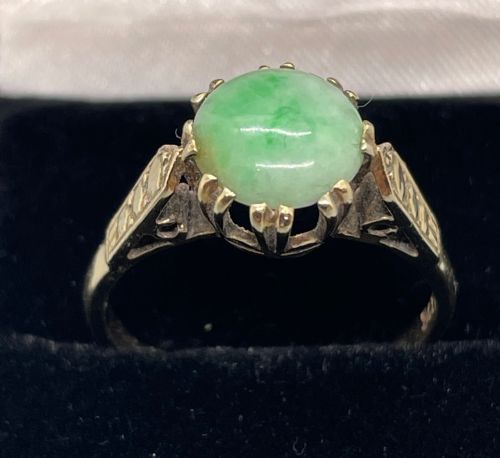
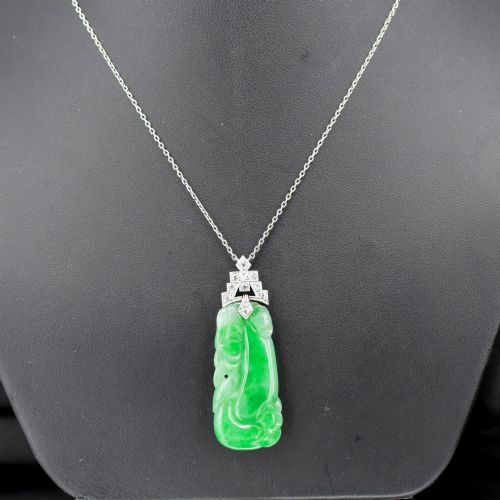
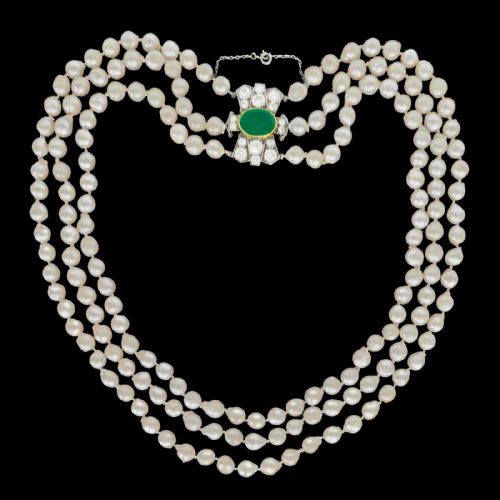
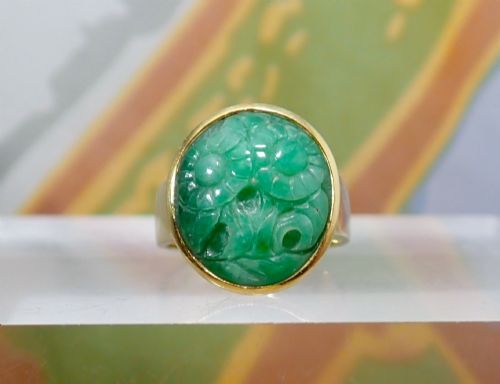
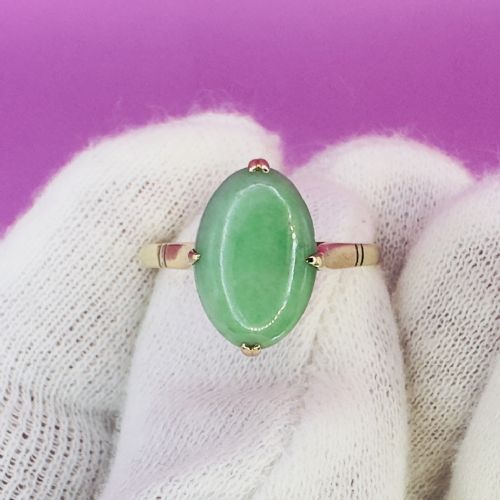
Green jadeite jewellery centres on rings, earrings, necklaces and pendants fashioned from jade and jadeite. Buyers encounter diverse forms ranging from Edwardian platinum and diamond pendants to mid-century yellow gold rings.
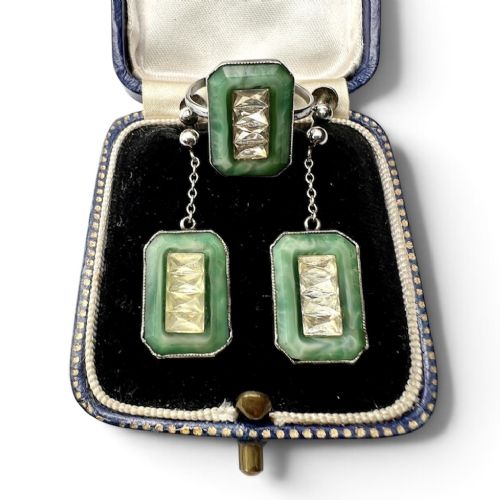
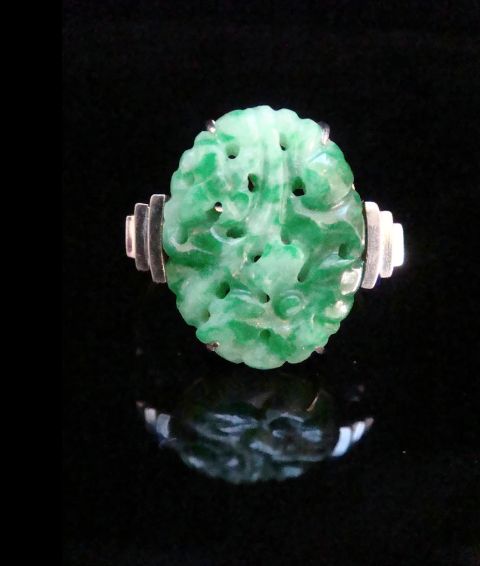
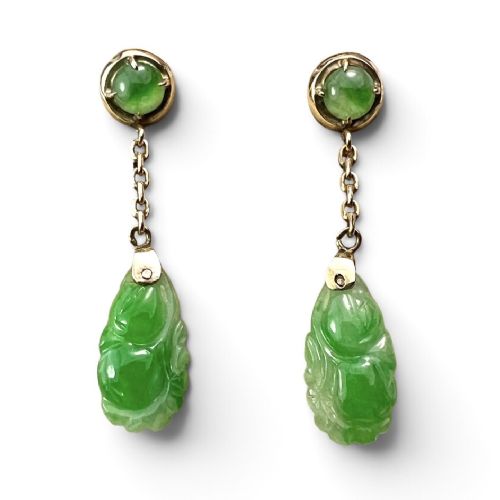
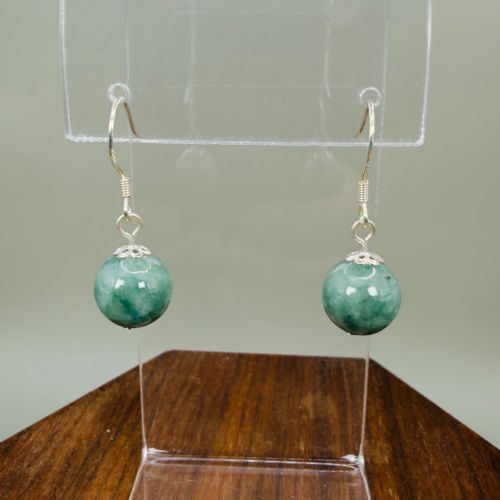
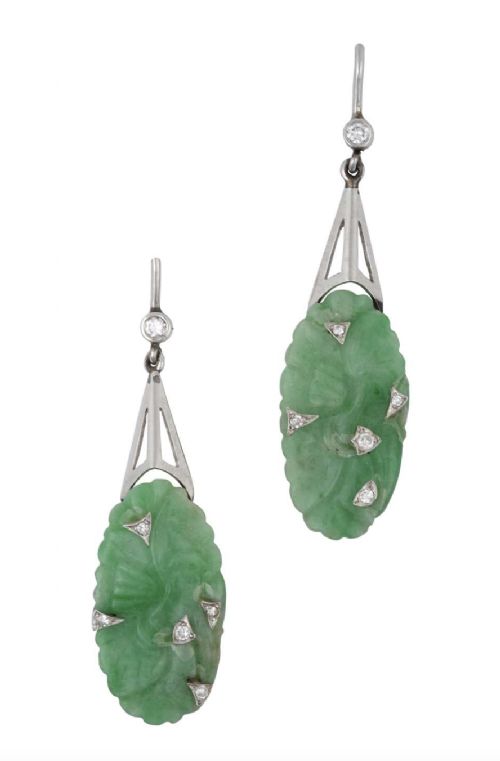
The selection includes Art Deco drop earrings, beaded strand necklaces, and carved talismans originating from distinct periods. Pieces frequently integrate precious metals alongside the green stone.
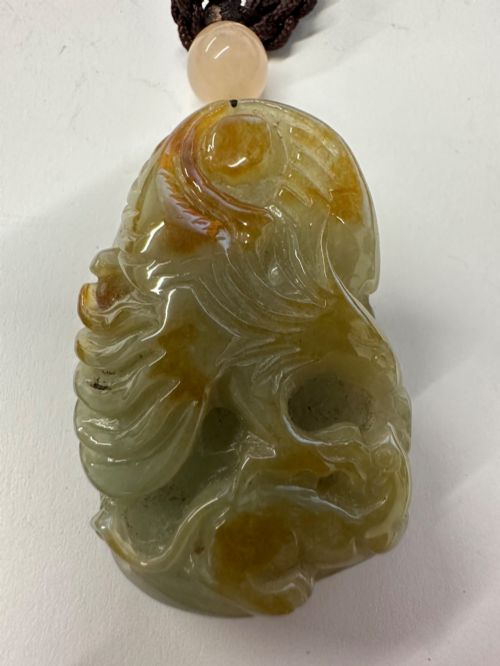
Earrings and rings dominate the selection, appearing alongside pendant necklaces featuring carved motifs such as phoenixes, trees, and dragons. The objects cross multiple decades from the nineteenth century into the mid-twentieth century.
Materials and construction
Makers set jade and jadeite into platinum, yellow gold, 18ct gold, 14ct gold, and 9ct gold mounts. Diamonds and pearls frequently accompany the green stones in pendant and ring designs.
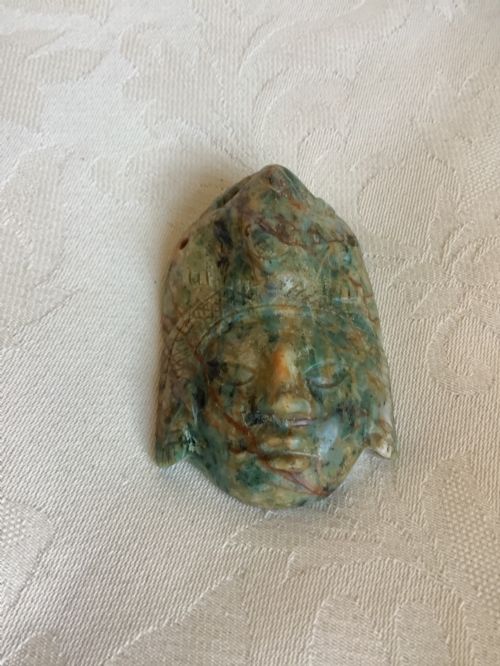
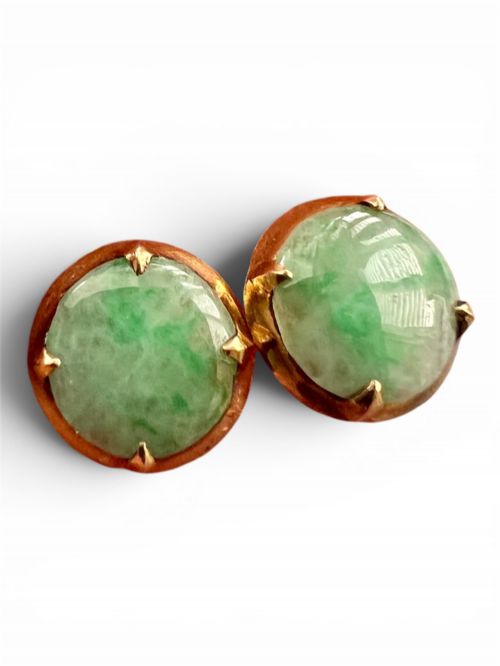
Craftsmen carved the jadeite into cabochons, beads, drops, and intricate panels depicting figures or animals. Metalwork techniques include platinum settings for diamonds and gold mountings for screw-back stud earrings and drop fittings.
Green Jadeite Jewellery Retail Price Guide 2026
Typical asking prices for green jadeite jewellery among the pieces listed under this phrase on Sellingantiques today, from the lower quarter to the upper quarter. They describe what is for sale here now, not the wider market.
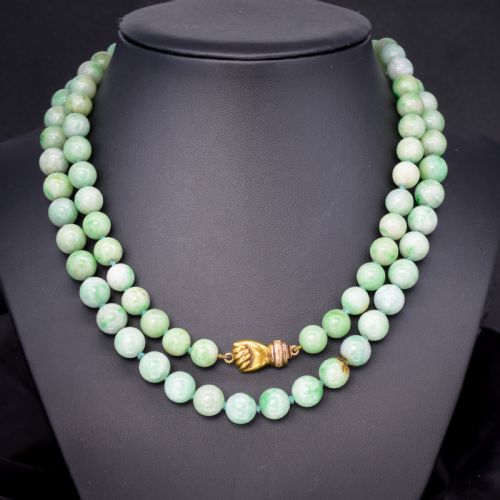
A figa hand clasp occasionally secures a lengthy jade beaded strand, adding a protective gesture to nineteenth-century neckwear.
Distinctions in quality
Quality rests upon the intensity of the green stone colour, such as imperial hues, paired with the precision of the carving. Superior examples display balanced translucency and expert integration with precious metals.
The sophistication of the mounting elevates a piece, distinguishing simple bead hook earrings from intricate Art Deco platinum and diamond frames. The alignment between the jade carving style and the period setting dictates the overall refinement.
The Green Jadeite Jewellery Glossary
- Jadeite
- A pyroxene mineral and one of the primary materials identified in these pieces. It provides the vivid green colour seen in the rings and pendants.
- Cabochon
- A gem polished to a smooth convex surface rather than faceted. This cut highlights the natural depth and tone of the stone.
- Art Deco
- A design style prominent during the 1920s and 1930s. It is characterised by geometric symmetry and frequent pairing with platinum and diamonds.
- Carved jade
- Stone shaped with manual motifs such as dragons, phoenixes, or floral panels. This technique showcases the artisan's skill on the surface of the material.
- Solitaire
- A jewellery setting featuring a single gemstone. In these listings, this typically describes an oval cut cabochon jade mounted on gold.
Green Jadeite Jewellery: Frequently Asked Questions
How do I identify Art Deco jadeite jewellery?
Art Deco pieces typically combine geometric platinum settings with diamonds alongside carved jadeite panels or drops. Look for symmetrical lines and period mounting techniques popular in the 1920s and 1930s.
The inclusion of materials like platinum and specific diamond arrangements further signals this design era.
What metals are used in these pieces?
Makers utilised platinum, 18ct gold, 14ct gold, 9ct yellow gold, and sterling silver to mount the jadeite stones. The choice of metal often aligns with the period of manufacture, from Edwardian platinum to mid-century gold.
Precious stones such as diamonds and pearls also appear alongside the metal settings.
How should I care for jadeite jewellery?
Protect jadeite items from harsh chemicals and sharp impacts that could scratch the polished cabochon or carved surface. Store them separately in soft pouches to prevent contact with harder gems.
Clean the stone gently with a soft cloth and mild soapy water when necessary, avoiding ultrasonic cleaners.
What motifs appear on carved jadeite pendants?
Carved pendants frequently feature traditional subjects including dragons, phoenixes, trees, and figa hands. These designs reflect Chinese Republic period influences or nineteenth-century talismanic forms.
The intricacy of the carving varies from simple bead strands to detailed figural panels.