


Green Jade Jewellery
Green jade jewellery brings together centuries of carved stone and precious metal, offering pieces shaped across the Edwardian, Art Deco, and mid-century periods.
Green Jade Jewellery
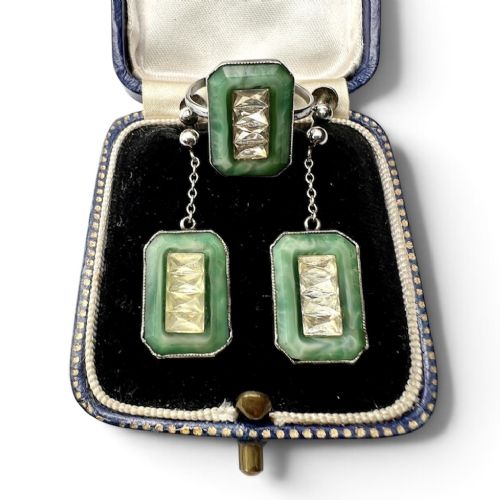
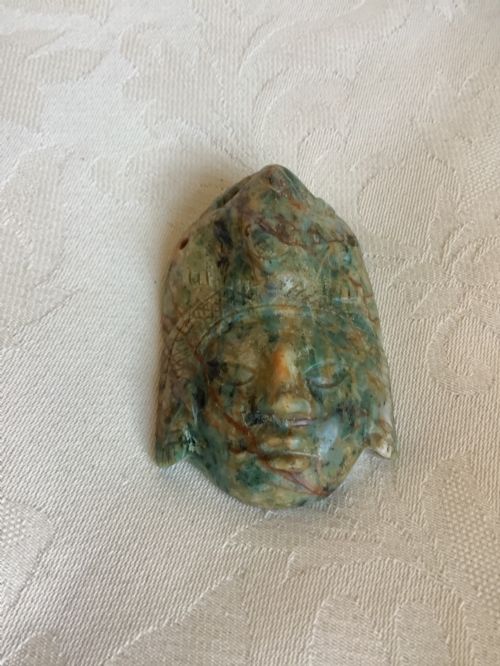
Pieces span multiple eras, showing the design influences of the Edwardian period, the Chinese Republic Period, and mid-century modern aesthetics. These items combine traditional gemstone carving with the prevailing metalwork styles of their respective decades.
Materials and construction
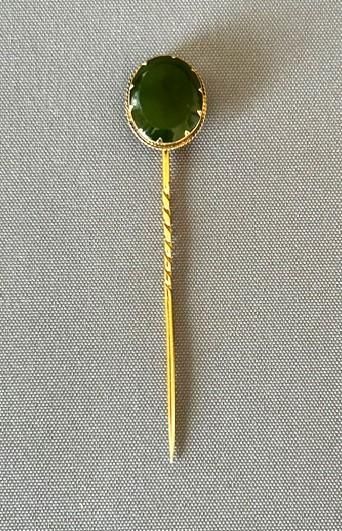
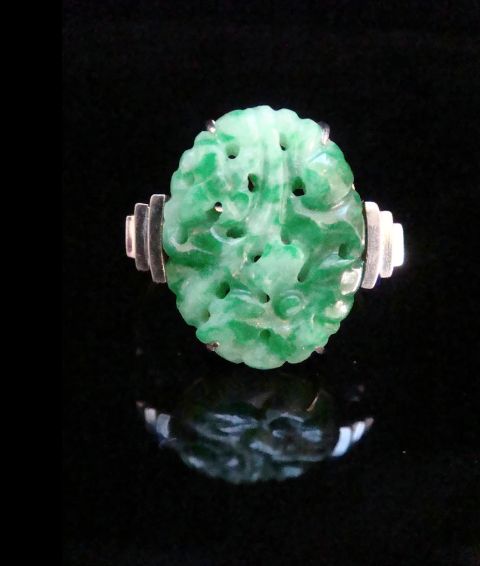
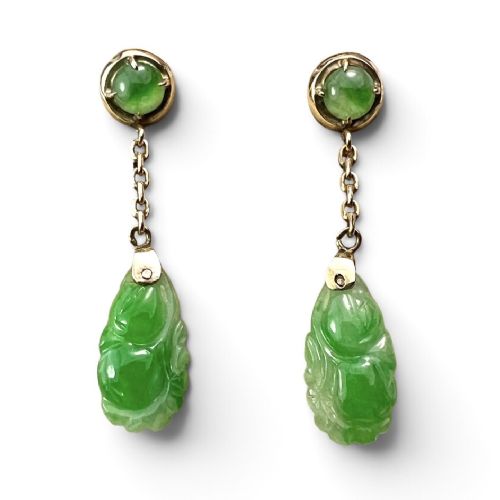
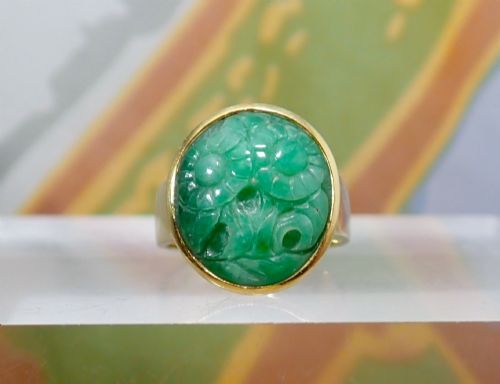
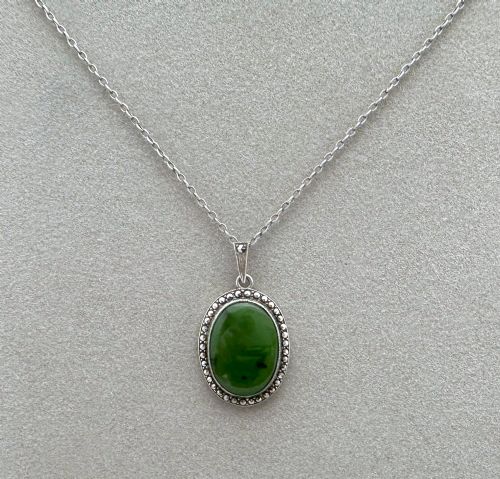
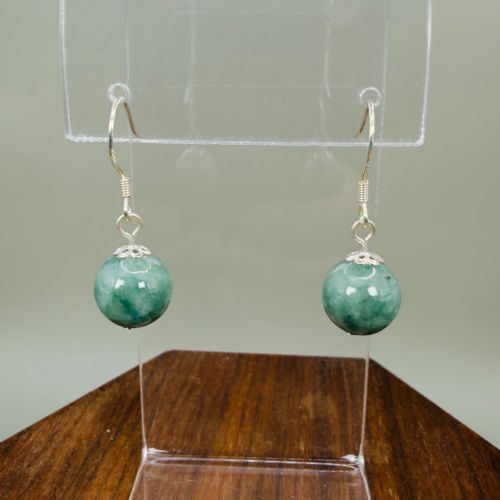
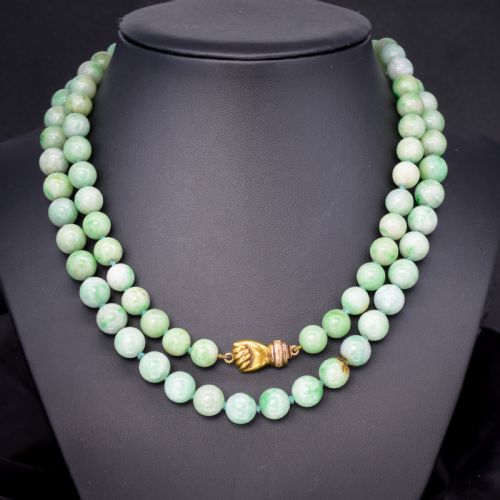
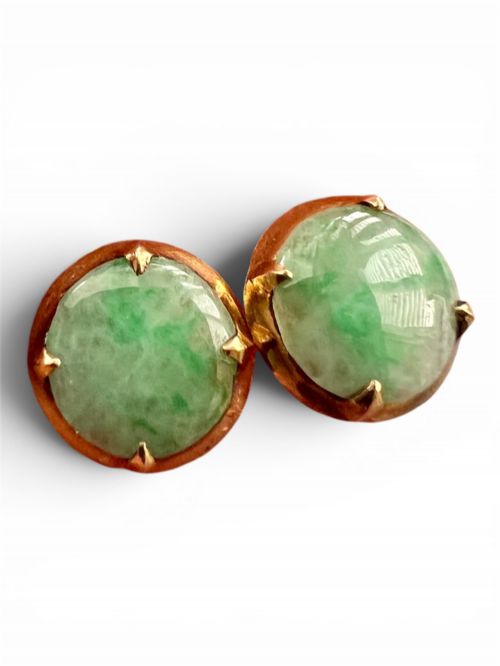
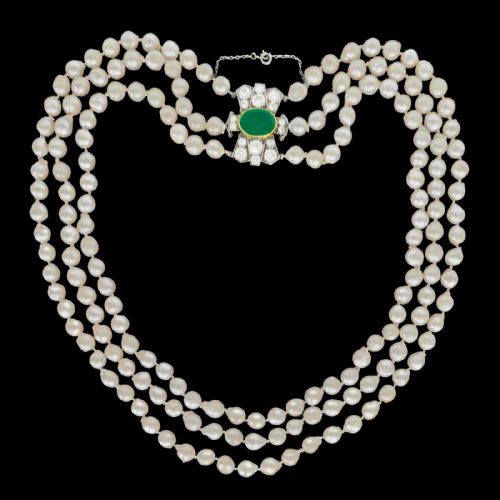
Makers set jade and jadeite stones into yellow gold, white gold, 14ct gold, 18ct gold, platinum, and silver settings. Many pieces incorporate carved panels, beads, cabochons, and torus forms alongside pearls and diamonds.
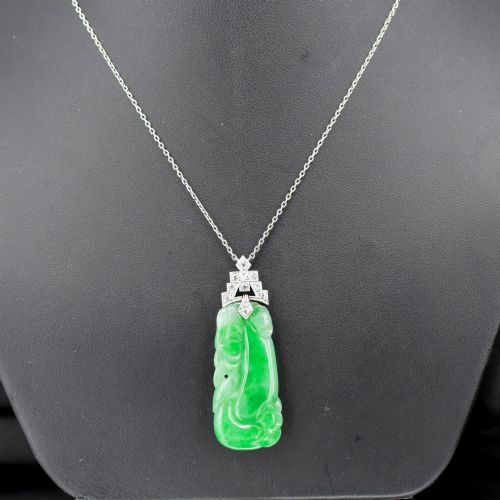
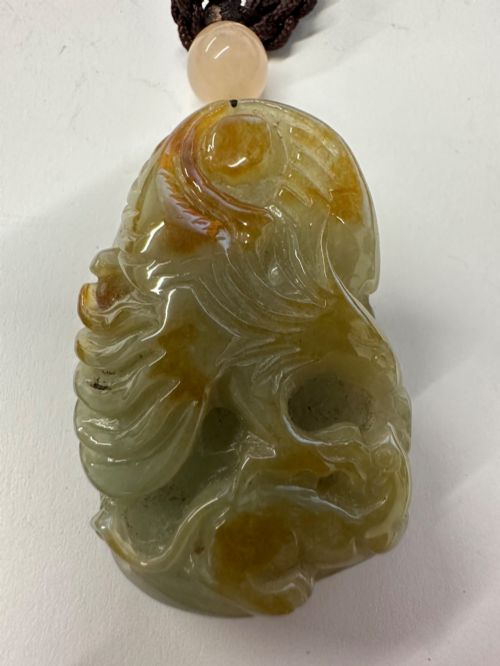
Construction techniques range from detailed hand-carved motifs like dragons and pixiu figures to geometric platinum mountings set with small accent diamonds. Metal components include screw-back findings, hook wires, and clasp mechanisms.
Green Jade Jewellery Retail Price Guide 2026
Typical asking prices for green jade jewellery among the pieces listed under this phrase on Sellingantiques today, from the lower quarter to the upper quarter. They describe what is for sale here now, not the wider market.
Current listings feature pieces spanning the Edwardian era, 19th century, and the 1920s through to the 1960s.
Stone and setting quality
Quality rests in the depth and translucency of the green jadeite or nephrite, alongside the precision of any hand-carved detail. Superior examples display even coloration and crisp execution in motifs such as foliage or figures.
The standard of accompanying precious metals and gemstones marks further distinctions, with platinum and high-carat gold mountings often framing finer diamonds and pearls. The integration of stone to metal reveals the hand of a skilled maker.
The Green Jade Jewellery Glossary
- Jadeite
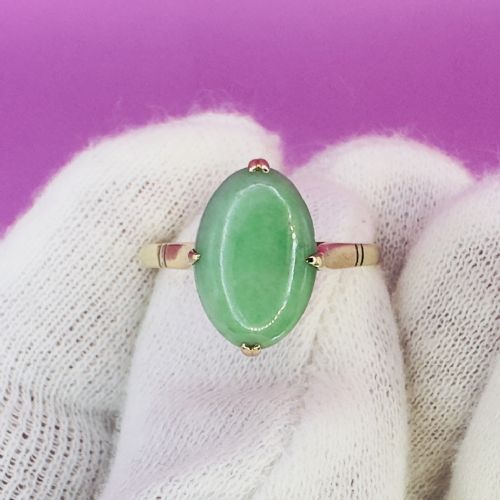
- A dense, pyroxene mineral that forms the brighter green and translucent stones seen in twentieth-century rings and pendants. It accepts fine carving and high polish.
- Nephrite
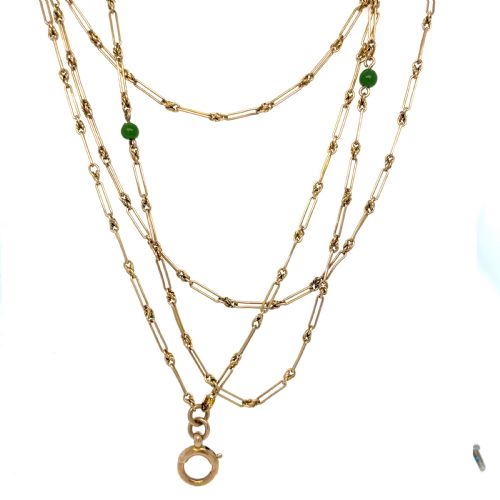
- An amphibole mineral typically yielding deeper green or spinach-toned hues, noted in heavier antique necklaces and beaded strands. It possesses a tough, fibrous structure.
- Cabochon
- A gemstone cut with a smooth, convex dome rather than faceted edges. This shape highlights the natural colour and texture of the jadeite or nephrite.
- Art Deco
- A design style spanning the 1920s and 1930s characterised by geometric symmetry, clean lines, and stark contrasts in metals and stones. It heavily influences the earrings and pendants of this era.
- Republic Period
- A phase in Chinese craftsmanship dating from the early twentieth century, producing carved jade pendants with traditional symbolic motifs like dragons.
Green Jade Jewellery: Frequently Asked Questions
How do I date green jade jewellery?
Dating relies on the mounting style, metal purity marks, and cutting techniques. Art Deco pieces show geometric platinum or white gold settings, whereas Edwardian items favour delicate filigree work.
The form of the jade itself also provides clues, as Chinese Republic Period carvings and mid-century modern designs follow distinct aesthetic rules of their respective decades.
What is the difference between jadeite and nephrite?
Jadeite and nephrite are two distinct mineral species grouped under the single term jade. Jadeite tends to be brighter, more crystalline, and capable of vivid emerald greens.
Nephrite is generally tougher with a more fibrous composition, often appearing in deeper or muted green tones across older beaded necklaces.
How were these pieces worn originally?
Rings, drop earrings, and necklaces served as everyday adornments or formal evening wear depending on the period. Edwardian pendants and Art Deco earrings added colour and movement to period attire.
Longuard chains and heavy bead strands were utilised to secure watches or simply draped as layered necklaces.
Are diamonds common in jade jewellery?
Diamonds frequently accompany jadeite in Edwardian and Art Deco designs, usually set in platinum or white gold around a central cabochon or carved plaque.
Their inclusion elevates the piece, providing a sharp contrast to the soft green tones of the stone.