




Green Glazed Stoneware
Green glazed stoneware brings together dense vitrified bodies and rich botanical tones, offering tactile depth and lasting utility for any interior.
Green Glazed Stoneware
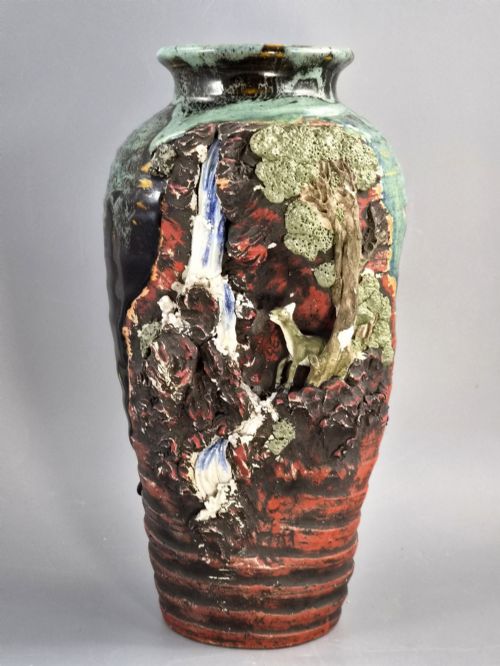
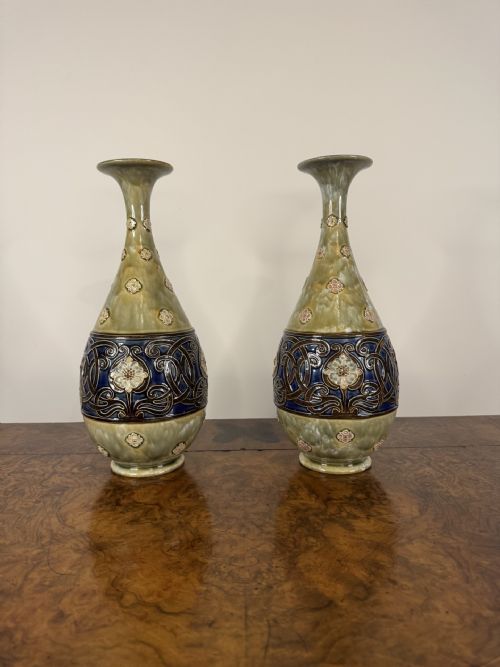
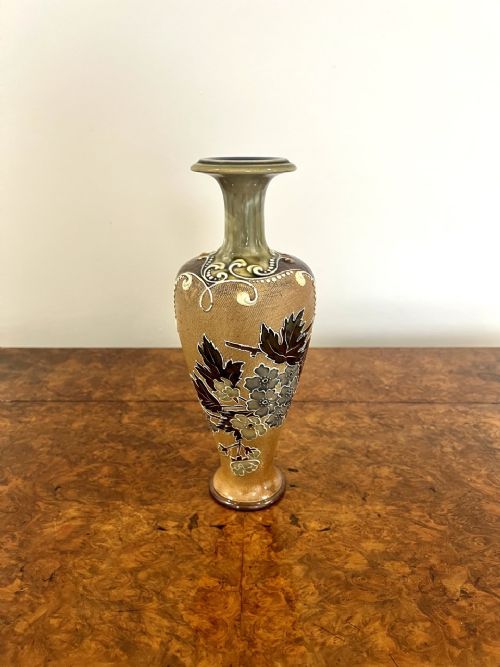
Green glazed stoneware encompasses a broad sweep of historic ceramics, ranging from early Chinese celadon vessels to late Victorian and Arts and Crafts studio pieces. When searching for green glazed stoneware, buyers encounter diverse forms including sturdy confit jars, tall baluster vases, and decorative ewers.
The selection on this page spans centuries of production, highlighting traditional utility alongside ornamental refinement. Pieces originating from European potteries sit alongside Asian wares, showing how distinct cultures utilised iron-bearing pigments to achieve rich surface colour.
Materials and construction
Potters formed these items using durable stoneware clay bodies, terracotta, or earthenware, shaping them on the wheel or moulding them by hand. The dense clay provides structural integrity, allowing large vessels to support heavy ornamentation.
Glazes applied prior to firing react during the heating process to create varying shades of green, from subtle celadon hues to deep tea dust and glossy enamel finishes. This vitrification process fuses the vitreous coating directly to the porous or non-porous body below.
Green Glazed Stoneware Retail Price Guide 2026
Typical asking prices for green glazed stoneware among the pieces listed under this phrase on Sellingantiques today, from the lower quarter to the upper quarter. They describe what is for sale here now, not the wider market.
Current listings demonstrate a strong representation of nineteenth-century Victorian production alongside earlier Asian celadon wares and twentieth-century studio pieces.
Assessing quality
Quality rests in the precision of the form, the depth and evenness of the glaze application, and the clarity of any moulded or incised decoration. Finer examples display deliberate control over kiln temperature, resulting in unblemished surfaces and balanced proportions.
Artistic execution by named makers or distinct studio potteries elevates the standing of individual items. Hand-modelled sculptural details and carefully balanced decorative motifs separate standard production wares from superior sculptural achievements.
Royal Doulton·Sunflower Pottery·Royal Lancastrian·Minton·Denby Ware
The Green Glazed Stoneware Glossary
- Stoneware
- A robust ceramic pottery fired at high temperatures until the clay body vitrifies and becomes non-porous. This material resists liquid absorption and endures heavy daily handling.
- Celadon
- A term for ceramics featuring a pale green jade-like glaze derived from iron oxide fired in a reduction kiln. The subtle colouration mimics precious green stone.
- Baluster
- A tall vase or vessel form characterised by a rounded body that tapers toward the neck and stands on a narrow base. This shape became popular during the Arts and Crafts and Art Nouveau periods.
- Ewers
- Large jugs featuring a wide spout and an ornate handle, designed historically for pouring water. Many survive as purely decorative display pieces.
- Vitrification
- The high-temperature process that melts ceramic materials into a glass-like state. It ensures the vessel holds liquids without needing secondary interior treatments.
Green Glazed Stoneware: Frequently Asked Questions
What is green glazed stoneware?
Green glazed stoneware comprises heavy ceramic vessels coated in iron-based green glazes, fired at high temperatures to achieve a dense, durable body.
Items range from ancient Chinese celadon dishes to Victorian studio pottery and twentieth-century decorative table lamps.
How were these vessels used historically?
Many pieces served practical domestic functions, such as storing provisions in large confit jars or holding water within ewers and pitchers.
Others fulfilled ceremonial or decorative roles, including ritual censers, bonsai planters, and ornamental mantel vases.
How do I care for antique stoneware?
Clean these items gently using warm water and a soft cloth, avoiding harsh chemical detergents that might harm historic glazes.
Display vessels on stable surfaces away from direct foot traffic to protect fragile rims and applied sculptural elements.
How can I tell different periods apart?
Early pieces often display traditional Asian celadon glazes with carved or moulded floral scrolls, reflecting Song and Ming dynasty aesthetics.
Later Victorian and twentieth-century examples show stylistic influences from the Arts and Crafts movement and Art Nouveau, featuring organic motifs and studio signatures.