



Green Glazed Plate
A green glazed plate brings rich colour and tactile depth to a table, spanning centuries of earthenware and tin-glazed traditions.
Green Glazed Plate
A green glazed plate encompasses various forms, from nineteenth-century majolica dessert services and bread plates to earlier Chinese celadon dishes and European faience. Buyers seeking this phrase encounter diverse origins, ranging from Victorian English potteries to Song Dynasty wares and Dutch delftware chargers.
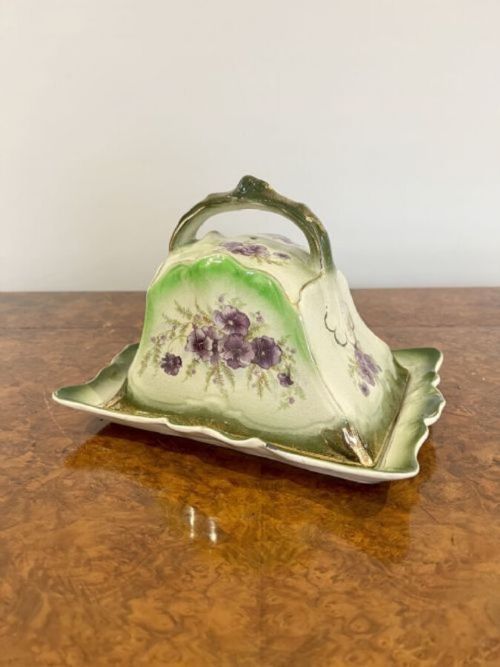
The selection ranges widely in function and form, including decorative chargers, cheese dishes, food warmers, and complete dessert services. Many pieces feature moulded foliate motifs or botanical patterns such as strawberry leaves, reflecting popular nineteenth-century Victorian tastes.
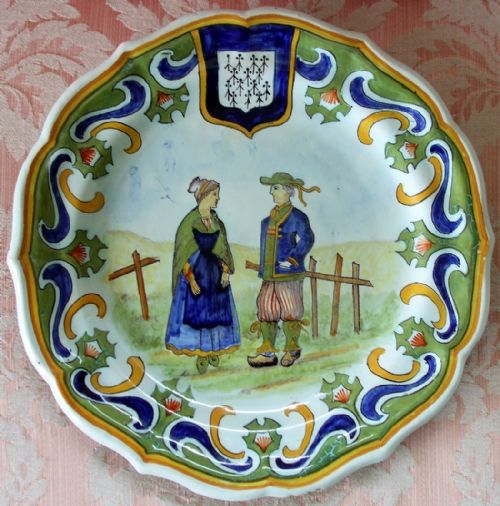
Continental examples appear frequently, including French faience dishes from Desvres and polychrome delftware from eighteenth-century workshops. These pieces demonstrate how diverse European and Asian traditions utilised striking green tones across ceramic bodies.
Materials and construction
Makers utilised ceramic bodies including earthenware and tin-glazed earthenware as foundations for rich surface treatments. These clay bodies were shaped by hand or moulded with floral scrolls and geometric patterns before firing.
Glaze application defined the visual character, employing specialised celadon glaze, tin glaze, or vibrant majolica colourways. High-fired art pottery techniques and occasional gilding further enhanced the finished surface texture.
Green Glazed Plate Retail Price Guide 2026
Typical asking prices for green glazed plate among the pieces listed under this phrase on Sellingantiques today, from the lower quarter to the upper quarter. They describe what is for sale here now, not the wider market.
Factors of quality
Quality rests in the crispness of moulded relief work, such as foliate rims and botanical scrolls, where sharp definition elevates the piece. The depth and evenness of the glaze application also distinguish finer examples from standard production.
The sophistication of hand-painted details and the preservation of the ceramic body across centuries influence desirability. Pieces demonstrating careful control during high-fired or tin-glazed processes show superior craftsmanship.
Wedgwood·Veuve Perrin
The Green Glazed Plate Glossary
- Celadon
- A term for ceramics denoting both a jade-green glaze and the vessels themselves, originating in East Asia. Longquan kilns produced notable examples with thick, translucent green surfaces.
- Faience
- European tin-glazed earthenware produced in France and other regions, known for painted decoration over a white or pale glaze. Desvres workshops created notable decorative dishes in this tradition.
- Charger
- A large decorative plate or dish, often displayed on walls or used centrally on tables rather than for daily dining. These substantial pieces frequently display intricate geometric or floral patterns.
- Delftware
- Tin-glazed earthenware made in the Netherlands and England, recognised by its white background and hand-painted motifs. Eighteenth-century Dutch chargers showcase this technique in polychrome palettes.
Green Glazed Plate: Frequently Asked Questions
How do I care for antique green glazed plates?
Handle these ceramic pieces gently and wash them by hand using mild soap and warm water. Avoid soaking antique earthenware or exposing them to sudden temperature changes.
Display them securely using appropriate plate hangers or stands to protect the edges and glaze from accidental chips.
Are these plates suitable for daily dining?
Most antique green glazed plates, particularly nineteenth-century majolica and delicate eighteenth-century faience, are best reserved for display or light occasional use. Historic glazes and earthenware bodies can be sensitive to modern cutlery and dishwashers.
Using them as decorative chargers or for dry service preserves their surface finish and historical integrity over time.
What is the difference between majolica and celadon?
Majolica is a nineteenth-century Western earthenware featuring colourful, opaque lead-based glazes often moulded with botanical motifs. Celadon refers to traditional Asian stonewares and porcelains with jade-green iron-based translucent glazes.
While both result in green glazed plates, their geographic origins, clay bodies, and firing techniques belong to entirely separate ceramic traditions.
How can I tell a nineteenth-century plate from an eighteenth-century one?
Nineteenth-century pieces often display the heavier, highly moulded relief work typical of Victorian majolica and earthenware services. Eighteenth-century examples, such as Dutch delftware or French faience, rely more on tin glazes and hand-painted geometric or floral surface decoration.
Examining the foot ring, glaze pooling, and wear patterns helps clarify the age and regional workshop origin.