


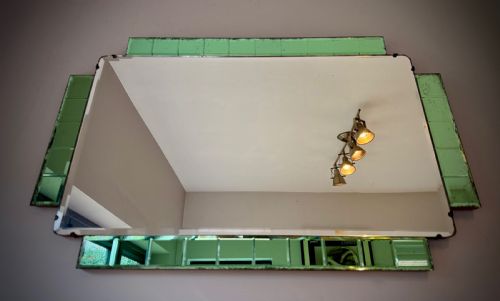


Green Glass Mirror
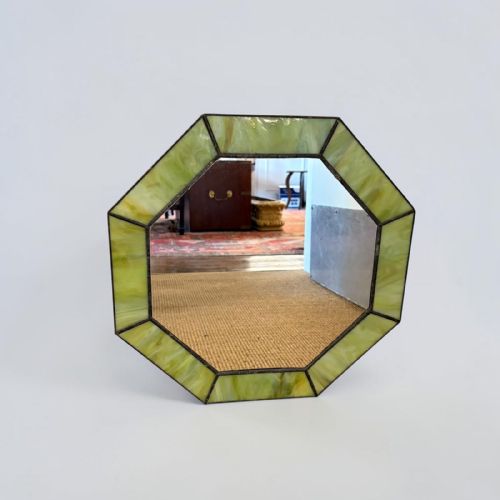
These green glass mirror examples bring striking emerald and silvered tones to a room, offering both traditional craftsmanship and distinct period character.
Green Glass Mirror
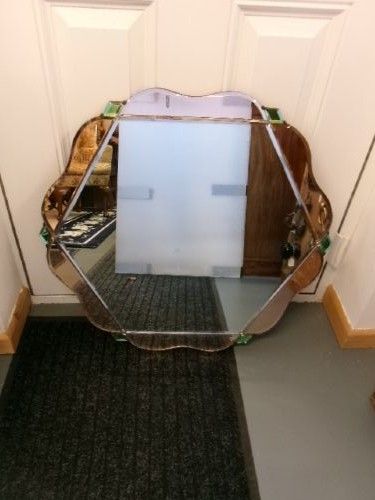
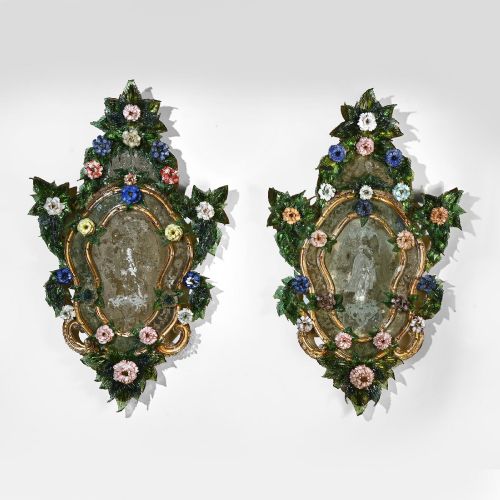
A green glass mirror brings together functional reflection and striking coloured glass panels, spanning periods from the eighteenth century to the mid-twentieth century. Buyers seeking a green glass mirror will encounter various forms, including Art Deco multi-tone frameless designs, Venetian Murano pieces, and painted gypsy mirrors.
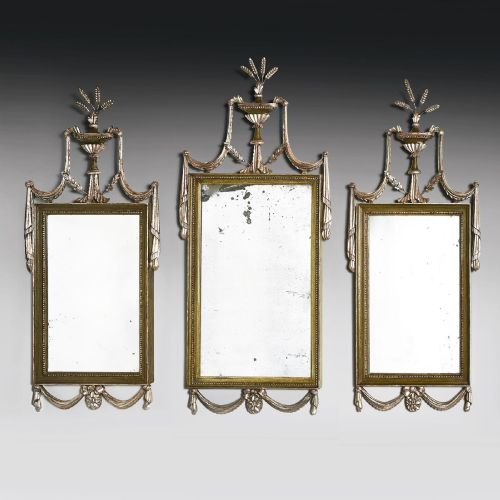
The selection on this page demonstrates diverse stylistic influences, ranging from Italian Florentine and Louis XV styles to Victorian and 1920s geometric constructions. Wall mirrors and overmantel mirrors dominate the offerings, occasionally accompanied by related items such as console tables and sideboards.
Origins span British, French, Italian, and Chinese workshops, showing how different makers utilised green glass and painted surfaces across centuries. Whether selecting an 18th-century Venetian pair or a 1950s octagonal wall mirror, each piece reflects the prevailing aesthetic of its era.
Materials and construction
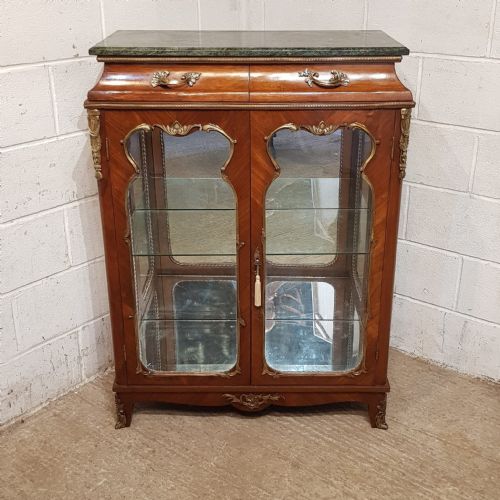
Makers constructed these pieces using combinations of mirror glass, wood, gesso, metal, marble, paint, and oak. Frames often involved carved or moulded timber, sometimes enhanced with painted finishes or gilt metal mounts.
Specialised techniques such as reverse painting on glass and multi-tone beveling defined the visual appeal of these mirrors. Artisans integrated coloured glass panels directly into the frame structures, securing them with traditional backing and mounting methods appropriate to each period.
Green Glass Mirror Retail Price Guide 2026
Typical asking prices for green glass mirror among the pieces listed under this phrase on Sellingantiques today, from the lower quarter to the upper quarter. They describe what is for sale here now, not the wider market.
Some nineteenth-century makers evidently believed that a simple oak board behind a mirror was quite enough to hold up the universe.
Assessing quality and execution
The distinction between tiers rests upon the precision of the glass cutting, the depth of the carved woodwork, and the integrity of the painted or silvered surfaces. Finer examples display meticulous bevelling on emerald glass panels and sophisticated framing details that demonstrate high workshop competence.
Provenance and originality of the components significantly elevate a piece, distinguishing standard decorative items from superior collector examples. The harmony between the glass panels, the supporting frame structure, and any decorative metal mounts determines the overall execution.
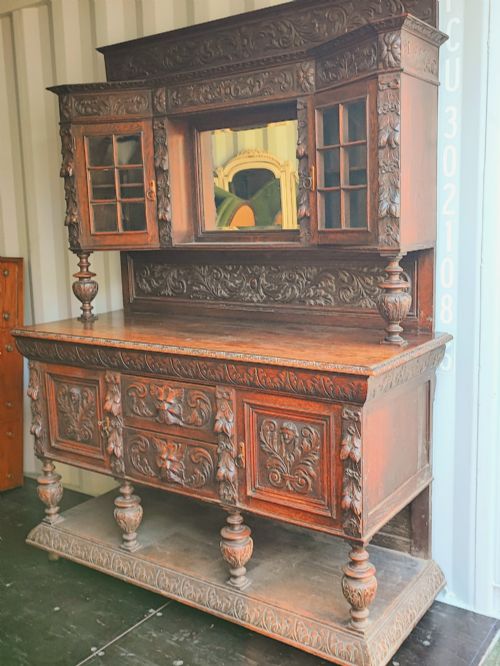
Gillows Of Lancaster
The Green Glass Mirror Glossary
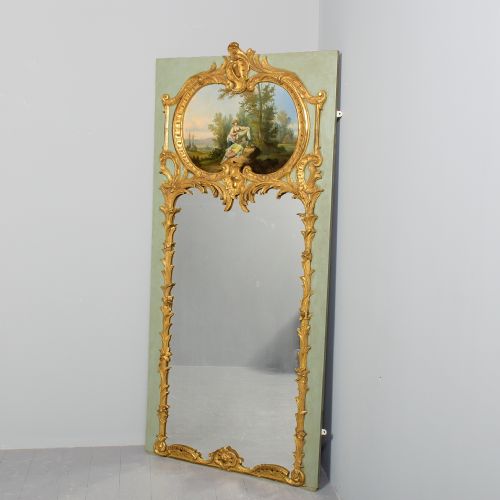
- Trumeau mirror
- A decorative wall mirror designed to fit within a wall panel or above a mantelpiece, often featuring painted artwork or carvings above the glass plate.
- Murano glass
- Glass produced on the Venetian island of Murano, renowned for centuries of sophisticated glassmaking traditions and intricate coloured glass techniques.
- Gesso
- A plaster-like mixture applied to wood frames to create a smooth surface for gilding or painting, characteristic of many traditional mirror frames.
- Gypsy mirror
- A small decorative mirror, frequently incorporating painted elements and popular in late nineteenth and early twentieth-century domestic interiors.
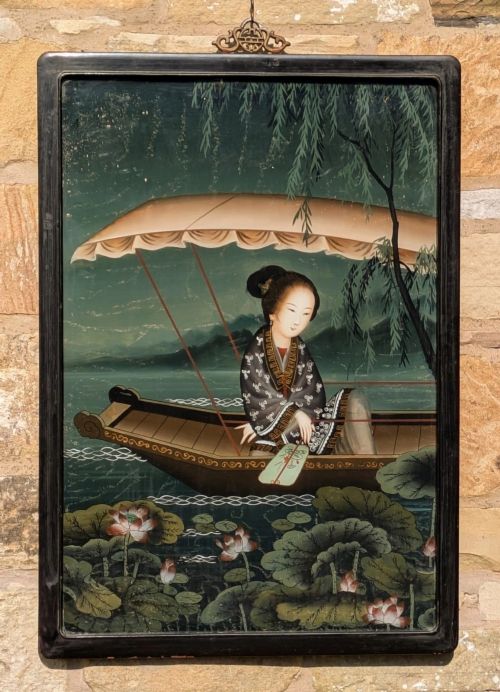
- Reverse painting on glass
- An artistic technique where the image is painted directly onto the back of the glass so the finished work is viewed through the transparent front.
Green Glass Mirror: Frequently Asked Questions
What periods do these mirrors cover?
The pieces span multiple centuries and design movements, primarily covering the eighteenth, nineteenth, and early twentieth centuries.
Buyers will find examples ranging from eighteenth-century Venetian work to Art Deco pieces from the 1920s and mid-century designs.
Where were these mirrors made?
Origin locations include Britain, France, Italy, and China, reflecting international decorative traditions.
Venetian workshops specialised in Murano glass, while French makers produced refined trumeau and overmantel styles.
How do I style a green glass mirror?
These mirrors work effectively as focal points above mantelpieces, console tables, or sideboards in living spaces and halls.
The coloured glass panels and painted frames allow them to complement both traditional period rooms and geometric Art Deco interiors.
What materials are used in the frames?
Frames are constructed from materials such as carved oak, walnut, gesso, and metal mounts.
Some examples incorporate marble elements, painted wood surfaces, or gilt detailing surrounding the glass plates.