




Green Glass Bird
These green glass bird pieces capture avian subjects in leaded panels and vessels, bringing coloured light and sculptural form to a room.
Green Glass Bird
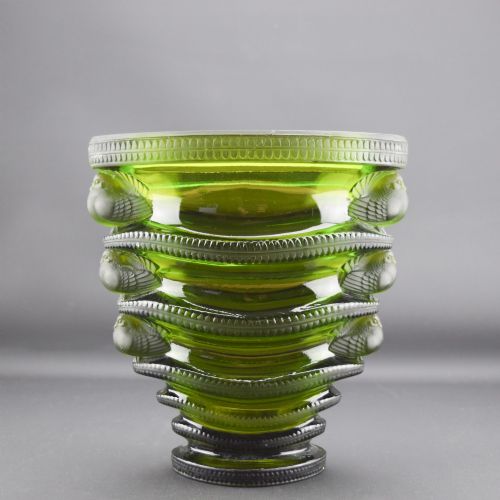
A green glass bird search brings up architectural fixtures and decorative objects spanning the Victorian era through the early twentieth century. Buyers encounter leaded glass windows featuring avian motifs, alongside vessels and associated decorative works incorporating green glass elements.
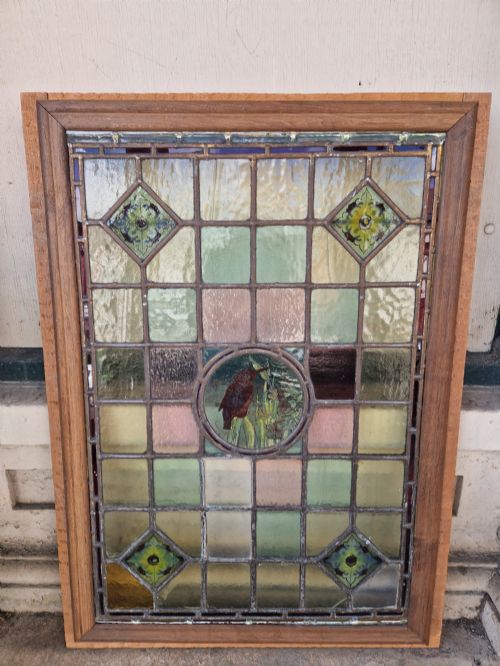
The most frequent examples on this page are leaded glass windows from nineteen ten depicting birds on branches, often integrated with amber bullseyes. Victorian stained glass panels with bird scenes also appear regularly among the listings.
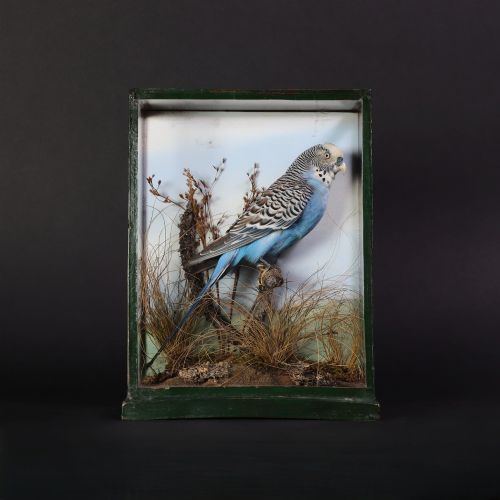
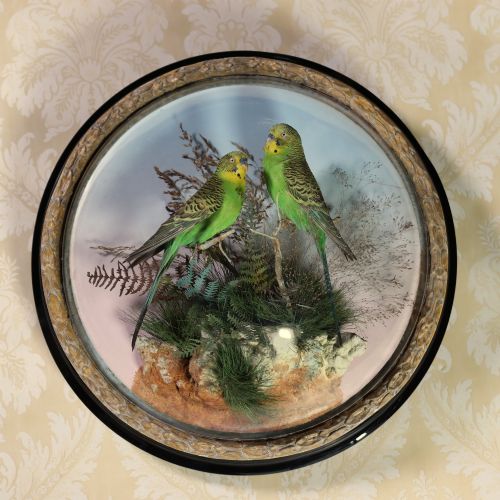
The selection extends to broader historical categories, including seventeenth-century oil paintings depicting glass vases, Victorian taxidermy domes containing birds, and French Art Deco mood lamps. These diverse objects reflect how avian subjects and green glass appear across different periods and mediums.
How they were made
Leaded glass windows and panels are constructed by cutting coloured and clear glass into specific shapes, which are then assembled within lead cames and soldered at the joints. The incorporation of moulded glass elements and amber bullseyes adds texture and tonal variation to the finished design.
Older painted works utilise oil paint applied to canvas, capturing the reflective qualities of glass vessels through traditional layering and brushwork techniques. Other decorative pieces combine cast metals such as spelter with marble bases to create sculptural lamp bodies.
Green Glass Bird Retail Price Guide 2026
Typical asking prices for green glass bird among the pieces listed under this phrase on Sellingantiques today, from the lower quarter to the upper quarter. They describe what is for sale here now, not the wider market.
Several windows feature birds perched on branches, proving that even leaded glass appreciates a good view from a tree.
What varies in quality
The refinement of the leadwork and the complexity of the glass cutting determine the distinction between standard and superior windows. Panels that integrate diverse textures, such as bullseyes and varied green glass shades, demonstrate greater compositional ambition.
In sculptural and painted works, the naturalism of the bird depiction and the harmony of the surrounding materials dictate the overall merit. Pieces that retain their original structural framing and material integrity command greater attention from collectors.
Rene Lalique·Gaspar Peeter Verbruggen·James Gardner
The Green Glass Bird Glossary
- Came
- A grooved strip of lead used to hold pieces of glass together in a window or panel. These strips form the structural grid and outline the visual design.
- Bullseye
- A small, circular piece of glass featuring a central thickening or pontil mark, often used as an accent in leaded windows. They add varied refraction and tactile interest to flat panels.
- Spelter
- An alloy of zinc and other metals frequently used as a substitute for bronze in decorative objects. It accepts patination well and was widely utilised for figures and lamp bases during the Art Deco period.
- Taxidermy dome
- A glass cover mounted on a base to protect and display preserved specimens. Victorian examples often house collections of exotic birds arranged on naturalistic perches.
Green Glass Bird: Frequently Asked Questions
What periods do these green glass bird pieces come from?
The selection spans from the seventeenth century through the Victorian era and into the early twentieth century, including Art Deco designs.
Leaded windows and panels form a large portion of the material, alongside oil paintings, taxidermy, and lamps.
How were the leaded glass windows constructed?
Individual pieces of coloured and textured glass are cut to shape and joined together using lead cames. The joints are then soldered to create a stable architectural panel.
Many examples incorporate specific details like amber bullseyes and hand-painted elements to enhance the bird imagery.
How do I care for antique leaded glass?
Leaded glass panels require gentle handling and stable environments to prevent stress on the lead cames. Cleaning should be done with soft, dry cloths or minimal moisture to protect both the glass and the soldered joints.
Suspension hardware should be inspected periodically to ensure the weight of the panel is supported securely.