



Green Georgian Wall Art
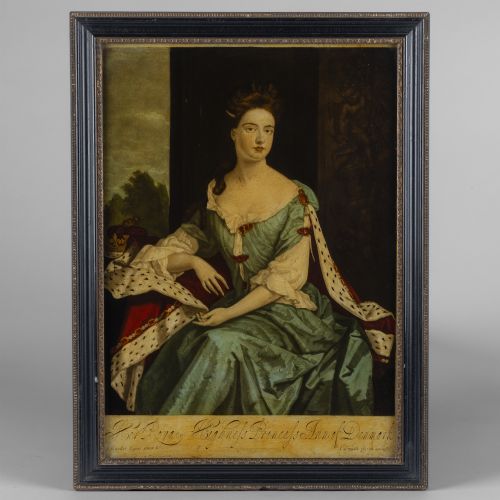
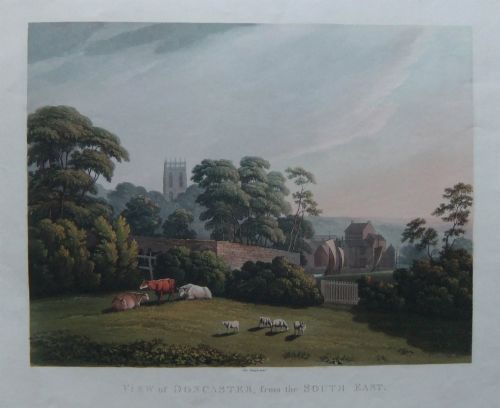
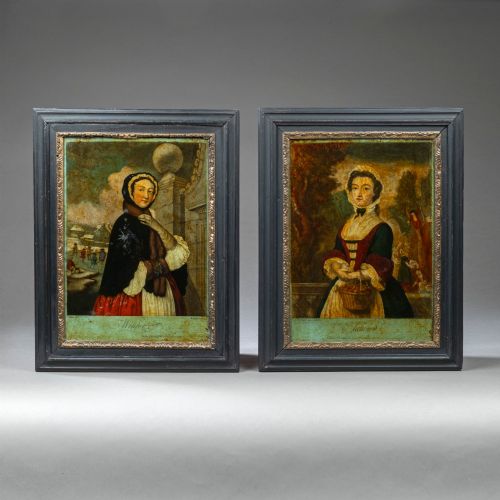
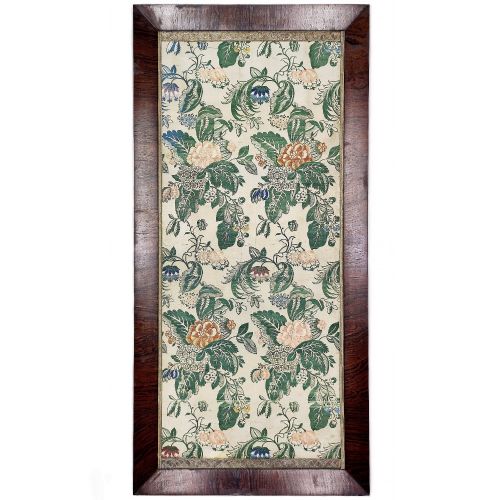
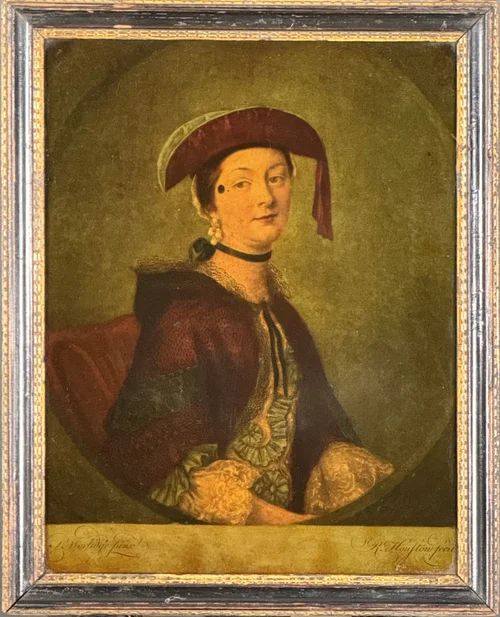
Green georgian wall art encompasses historical oil paintings, needlework samplers, and reverse glass prints originating from the eighteenth and nineteenth centuries.
Green Georgian Wall Art
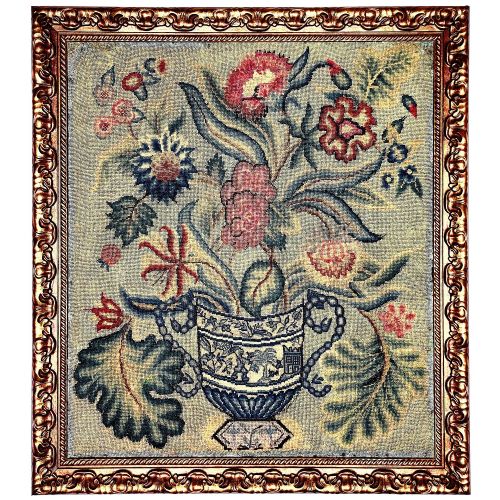
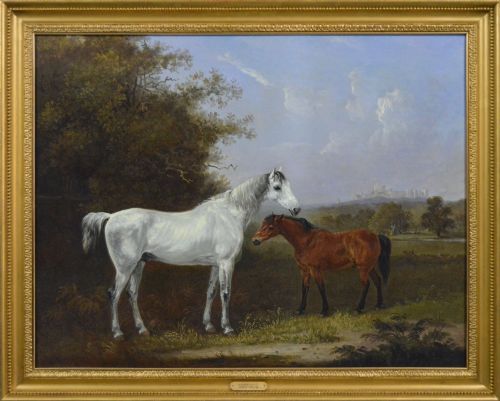
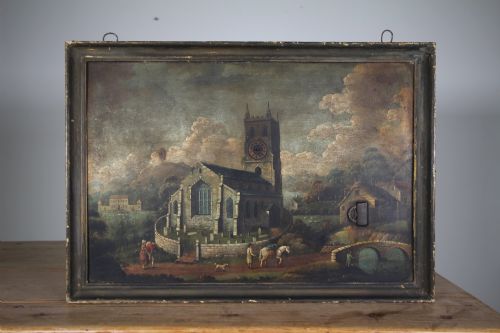
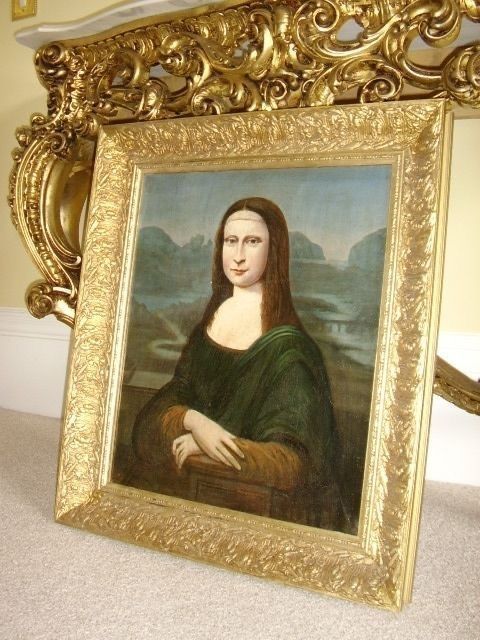
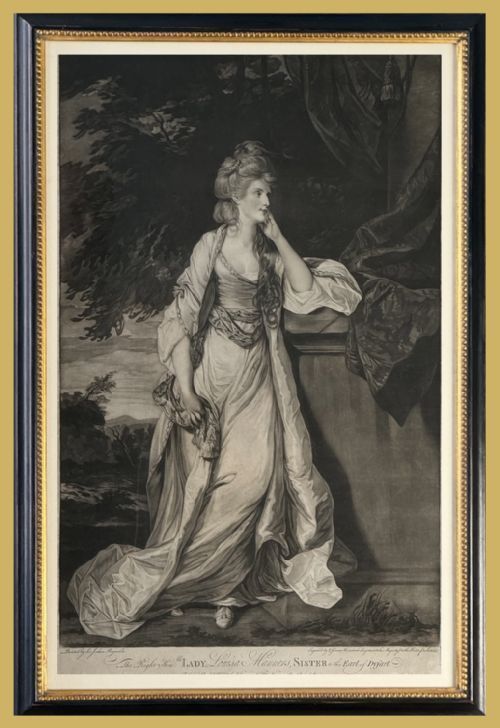
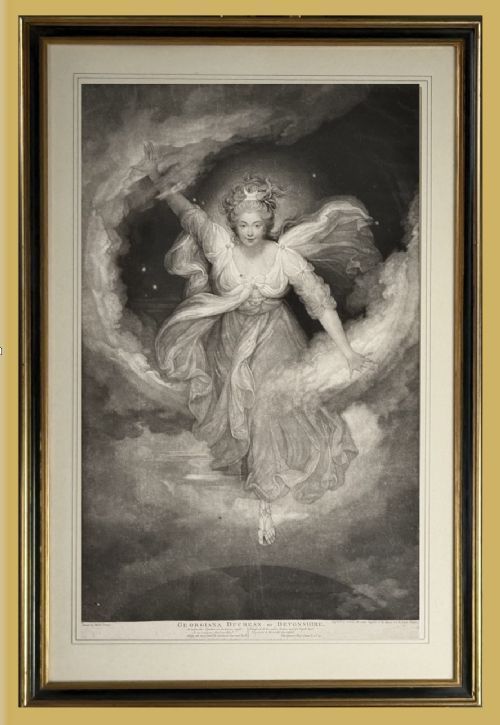
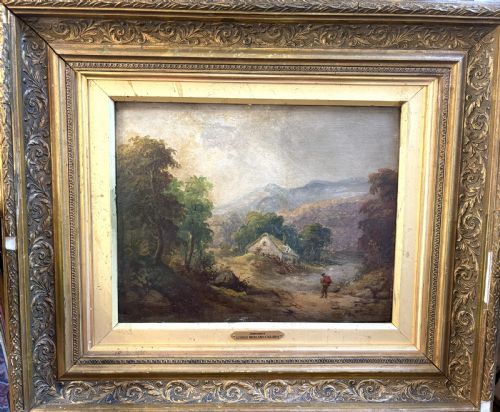
Green georgian wall art brings together diverse decorative objects designed for period interiors, ranging from framed oil paintings on canvas and wood panel to detailed textile works and prints. Buyers searching this phrase encounter historical landscapes, portraits, and pastoral scenes executed during the eighteenth and nineteenth centuries.
Materials and techniques
Makers utilised oil paint applied to canvas, wood panels, and paper, alongside ink and watercolour for graphic works. Textile art relied on needlework and tapestry techniques using linen and specialised threads.
Printmakers employed mezzotint and engraving methods on paper and glass surfaces, frequently adding hand-colouring to complete the visual composition.
Green Georgian Wall Art Retail Price Guide 2026
Typical asking prices for green georgian wall art among the pieces listed under this phrase on Sellingantiques today, from the lower quarter to the upper quarter. They describe what is for sale here now, not the wider market.
Listings feature works spanning the eighteenth, nineteenth, and early twentieth centuries, incorporating oil paint, glass, paper, and canvas.
Markers of quality
Quality depends on the precision of the draughtsmanship and the preservation of the original surface materials, such as oil pigments or textile fibres. Finer pieces demonstrate superior control of light, shadow, and proportion within the composition.
The condition of the original framing and the clarity of printed or painted details distinguish standard decorative items from works of higher artistic execution.
Charles Spooner·Valentine Green·Benjamin Barker of Bath·George Morland·John Sanderson Wells·J Laporte·Clifton Tomson·William Swainson·George Lance·Enoch Seeman·Thomas Rowlandson
The Green Georgian Wall Art Glossary
- Mezzotint
- A printmaking process of the intaglio family where the plate is roughened with a rocker to achieve tones and rich dark areas.
- Reverse glass painting
- An art form consisting of applying pigment to a glass pane and viewing the finished image from the unpainted side.
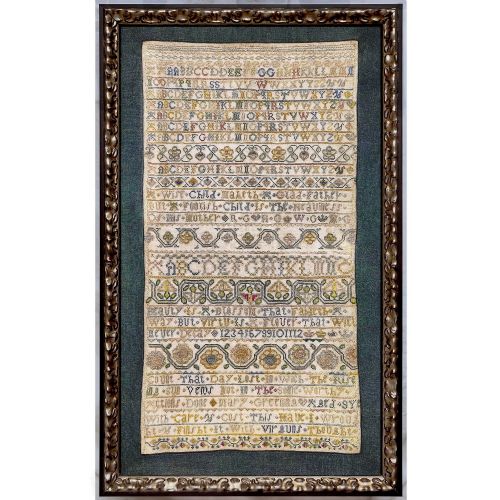
- Sampler
- A piece of needlework produced as a demonstration or test of skill in various embroidery stitches, often including alphabets and figures.
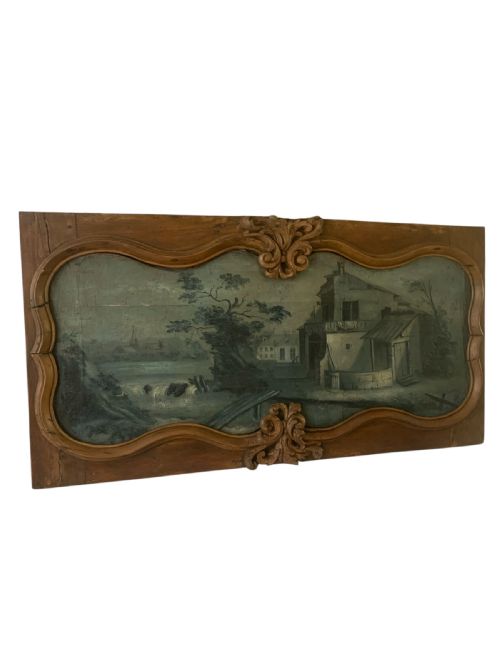
- Overdoor
- A decorative painted panel or canvas designed to be mounted directly above a doorway within an architectural interior.
Green Georgian Wall Art: Frequently Asked Questions
What is reverse glass painting?
Reverse glass painting involves applying pigment directly to the reverse side of a glass sheet. The finished image is then viewed through the smooth front surface.
This technique protects the paint layer from atmospheric damage while creating a distinct reflective finish characteristic of period wall decorations.
How do I identify a Georgian sampler?
Georgian samplers are textile works typically created by young makers using linen grounds and coloured threads. They often feature alphabets, geometric motifs, and stitched signatures with dates.
The choice of materials and the style of the stitching help distinguish eighteenth-century examples from later nineteenth-century textile pieces.
Where were oil paintings displayed?
Period oil paintings were primarily commissioned for country houses, town residences, and estate rooms. They served as formal portraits or landscape decorations.
Works were frequently framed in gilded wood and hung in principal reception spaces or integrated into architectural panelling.
How do I care for antique wall art?
Antique wall art requires stable environmental conditions away from direct sunlight and excessive moisture. Protecting oil paintings and works on paper from temperature fluctuations preserves the pigments and supports.
Framed textiles and prints benefit from specialist glazing that filters ultraviolet light and prevents fading over time.