
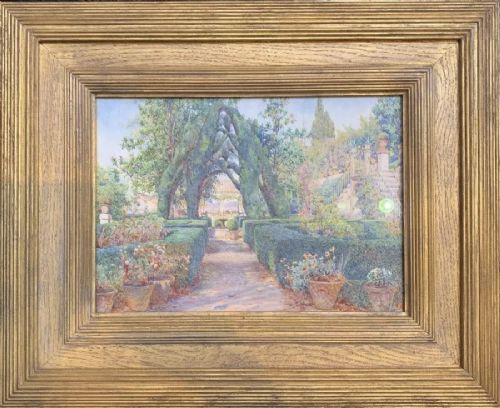
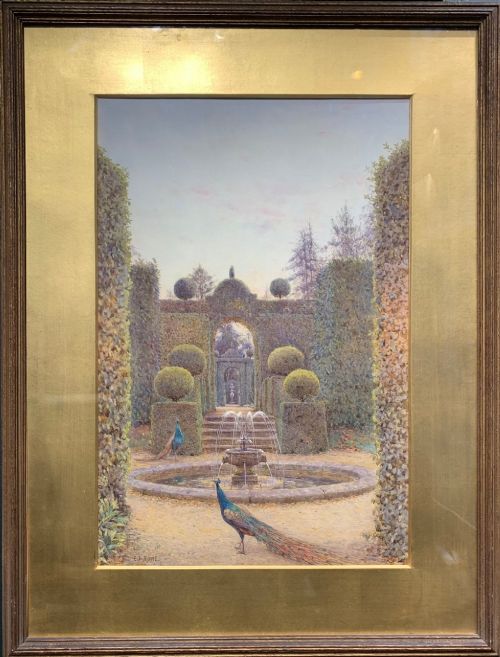
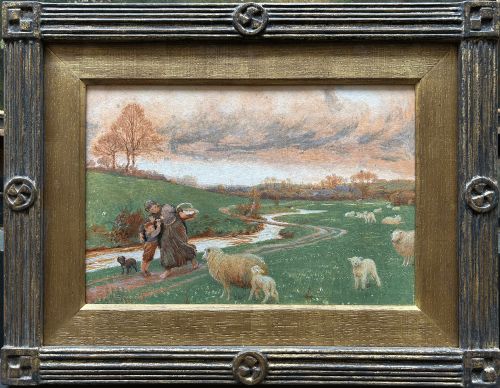
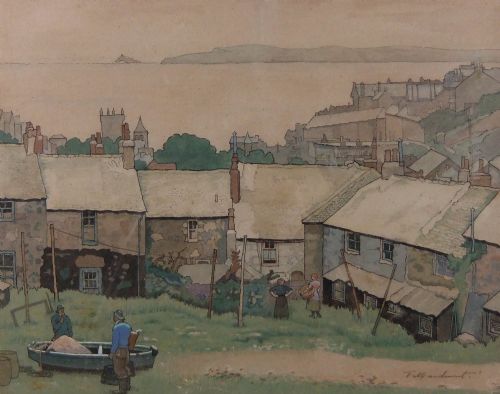
Green Framed Watercolour
A green framed watercolour brings together delicate pigment and botanical or landscape subjects within a distinct painted or wooden surround.
Green Framed Watercolour
A green framed watercolour selection comprises works on paper executed in pigment, gouache, or ink, enclosed within a complementary coloured or gilt wood mount. Buyers searching for a green framed watercolour encounter pieces spanning the nineteenth century, the Edwardian era, and the early twentieth century.
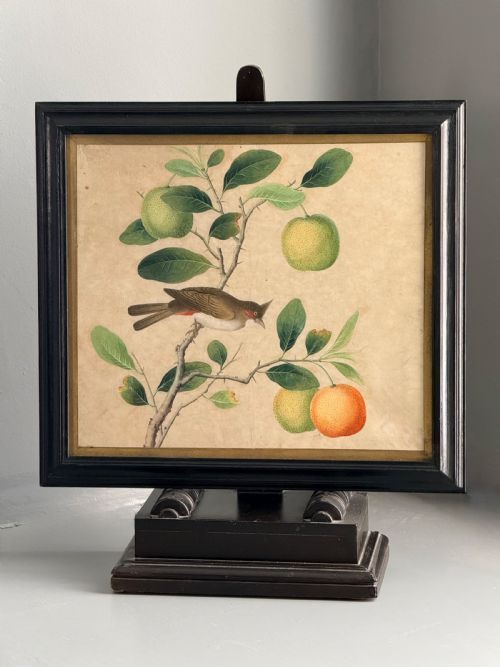
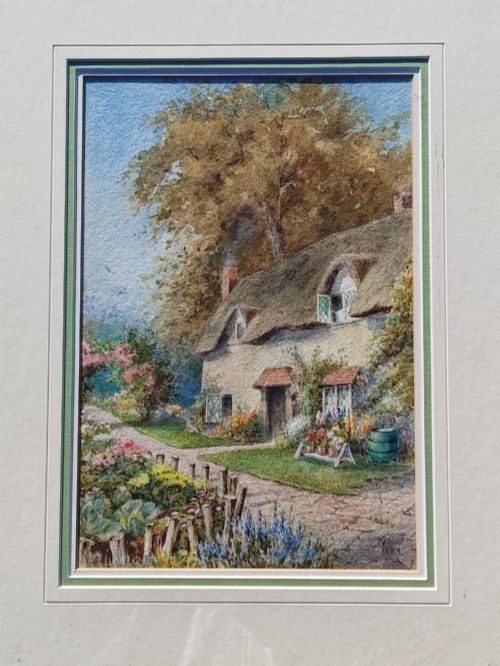
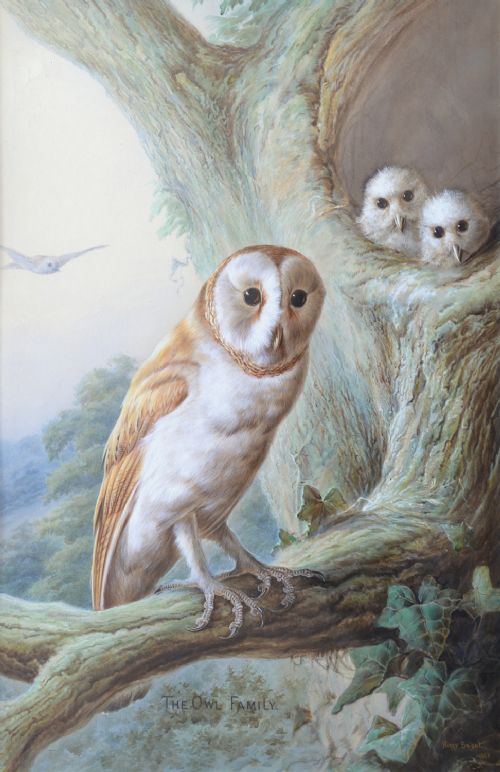
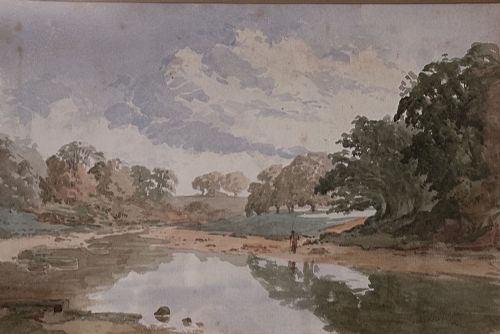
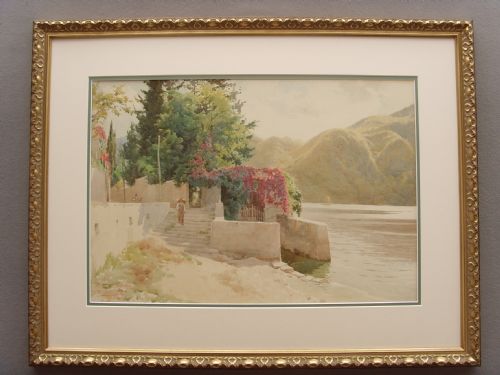
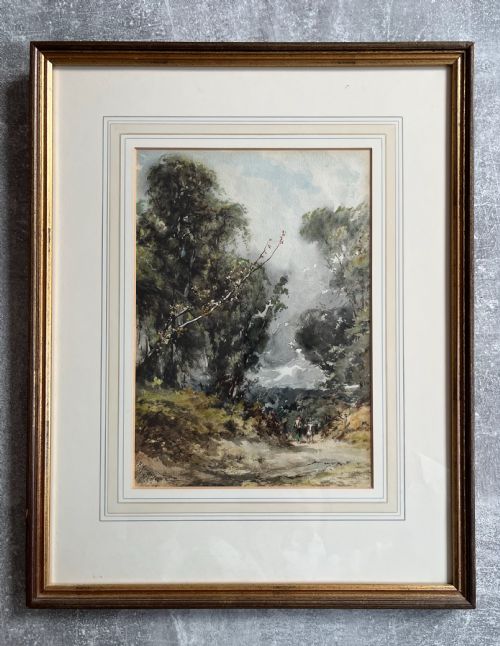
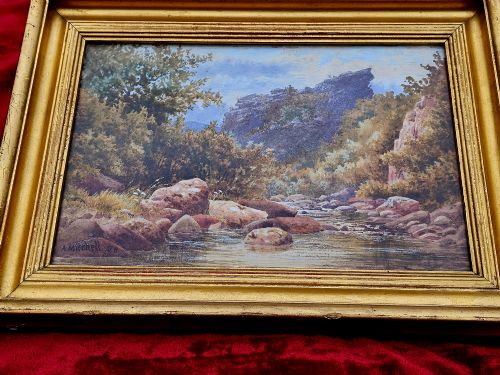
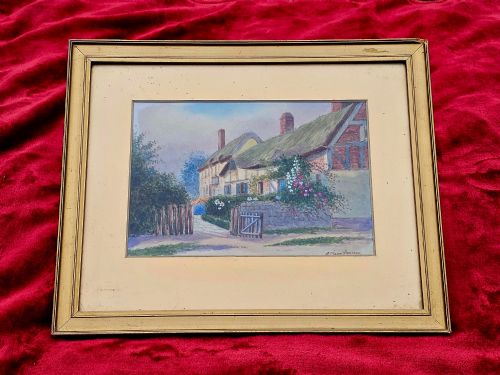
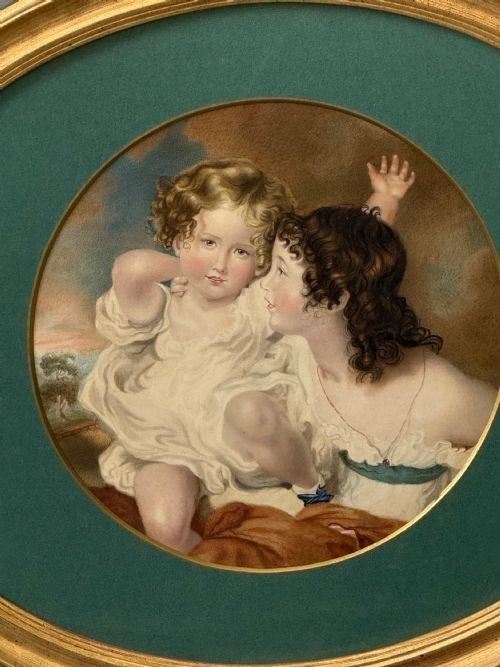
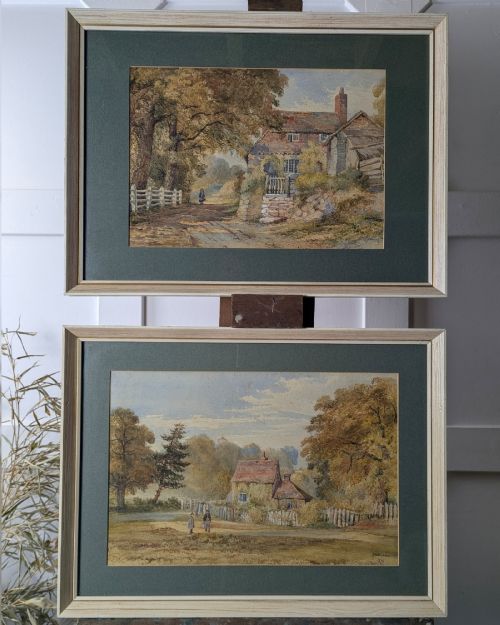
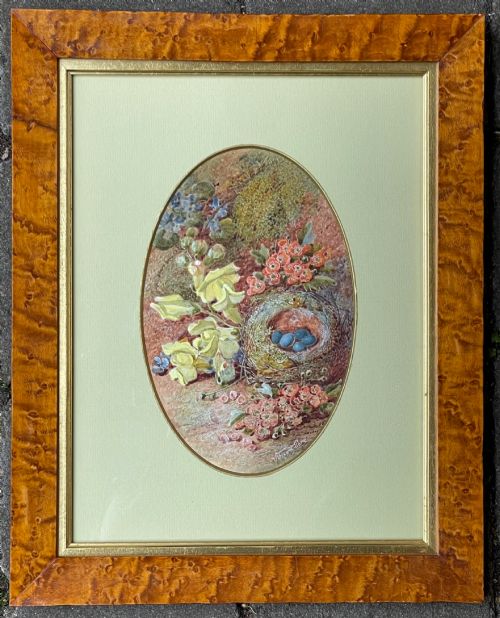
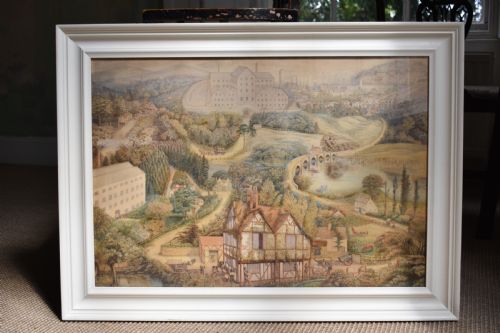
The dominant forms on this page include landscape waterpaintings, botanical studies, portraits, and still life compositions. These works originate from British, Scottish, and continental schools, capturing scenes from Welsh valleys to Italian lakes.
Dated examples often anchor the period, with signed works by known artists providing clear attribution. The surrounding frames complete the presentation, utilising painted wood or gilt finishes to frame the paper support.
Materials and Technique
Watercolour pigment is applied to paper supports, occasionally combined with gouache, pencil, or ink for added depth and linear definition. Some works utilise pith paper or delicate board alongside standard heavy papers.
Enclosing these paintings requires wood framing, frequently finished with paint or gold leaf to protect the glass and paper within. The physical construction relies on traditional backing and glazing methods standard to the Victorian and Edwardian periods.
Romany gypsy caravans and bustling harbour scenes share wall space with quiet botanical studies of yellow rudbeckia flowers.
Variations in Quality
The standard of a watercolour painting rests upon the confidence of the brushwork, the handling of light, and the preservation of the pigment against fading. Stronger compositions demonstrate accomplished draughtsmanship and atmospheric depth.
Framing quality also plays a part, distinguishing simple utilitarian surrounds from period gilt wood mouldings that complement the palette of the painting.
George Fotherly Hargitt·A. Mitchell·A. Marie Parsons·William Joseph Boyes·Vincent Clare·Ernest Arthur Rowe·Frederick Walker·Thomas Maidment·George Oyston·Frederick James Kerr·Henry de Waroquier·Bonomi Edward Warren·Arthur Dudley·Percy Lancaster·Robert George Talbot Kelly·John Sherrin·Warwick Goble·F A Roylance·Thomas Cooper Moore·Philip Richard Morris·Edgar Woollatt·Oswald Garside·James Tower·Charles Gregory·Harry Wanless
The Green Framed Watercolour Glossary
- Watercolour
- A painting method where fine pigment is suspended in a water-based solution and applied to paper. This medium allows for transparent washes and luminous colour effects.
- Gouache
- An opaque watercolour paint mixed with a binding agent to produce a heavier, denser finish. It is often combined with transparent watercolour for highlights and solid areas of tone.
- Gilt Wood
- Wood that has been coated with a thin layer of gold leaf or metallic powder. This finish is frequently found on traditional picture frames.
- Pith Paper
- A delicate porous material formed from the pith of the Tetrapanax papyrifer plant. It was commonly utilised for botanical and figurative subjects in export art.
- Provenance
- The documented history of ownership or origin for an artwork. Clear attribution helps establish the authenticity of a signed piece.
Green Framed Watercolour: Frequently Asked Questions
How should I hang a watercolour painting?
Watercolours require careful placement away from direct sunlight to prevent the pigments from fading over time. Position them on interior walls where temperature and humidity remain stable.
Ensure the frame is securely hung using appropriate fixings suited to the weight of the glass and wooden surround. Professional framing with conservation glass offers additional protection against environmental damage.
What subjects are common in these paintings?
Landscapes form a large proportion of the subjects, ranging from Welsh river views to Italian lakes and rural English countryside. Botanical studies, floral still lifes, and portrait miniatures also appear frequently across the periods.
Artists often recorded local scenery, gardens, or architectural landmarks with careful attention to natural light and atmospheric conditions. These varied themes reflect the diverse interests of nineteenth and early twentieth-century painters.
How do I identify the period of a framed watercolour?
Dating relies on stylistic clues, artist signatures, framing materials, and any inscriptions on the reverse of the paper or backing board. Victorian and Edwardian works often exhibit specific palette choices and framing profiles characteristic of their decade.
Examine the paper type and any visible maker marks on the frame or glass for further chronological indicators. Reference signatures against known working dates of the recorded artist.
Are these paintings original works?
The selection consists of original hand-painted watercolours, gouaches, and mixed media drawings rather than modern mass-produced reproductions. Each piece represents a unique application of pigment by the artist's hand onto paper.
Signatures, brushstroke texture, and variations in the paper surface confirm the individual nature of these historical artworks. Contemporary framing or mount cards may have been updated while preserving the original artwork.