
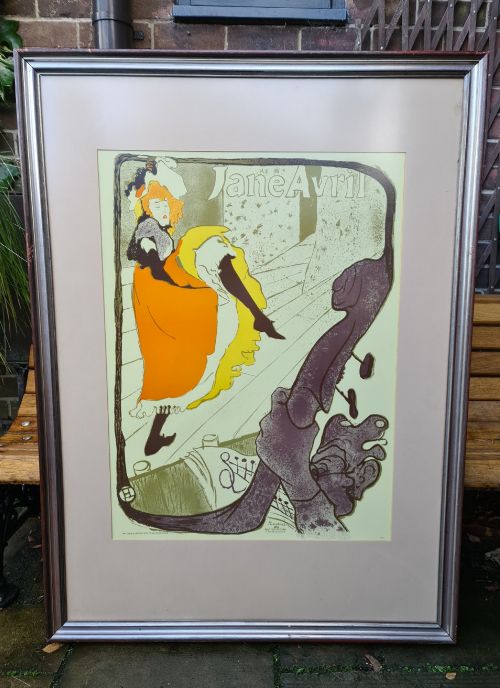
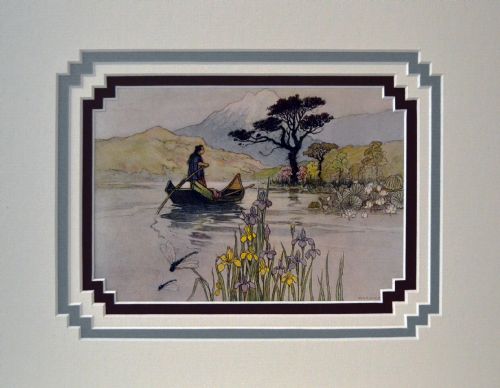


Green Framed Wall Print
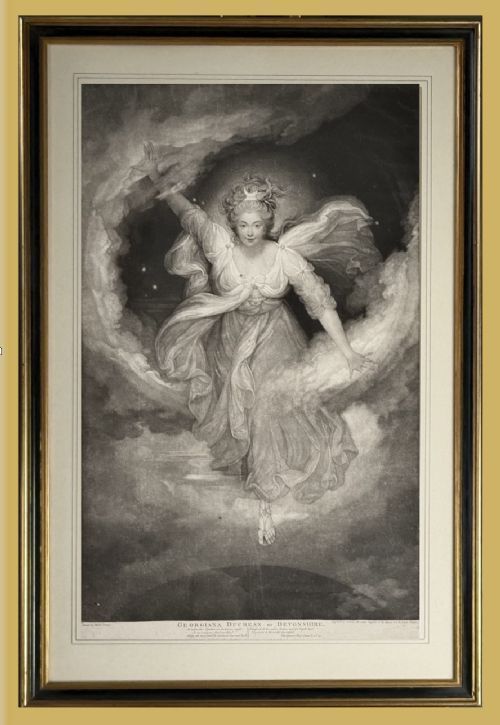
A green framed wall print brings together centuries of framed art, from eighteenth-century mezzotints to mid-century lithographs.
Green Framed Wall Print
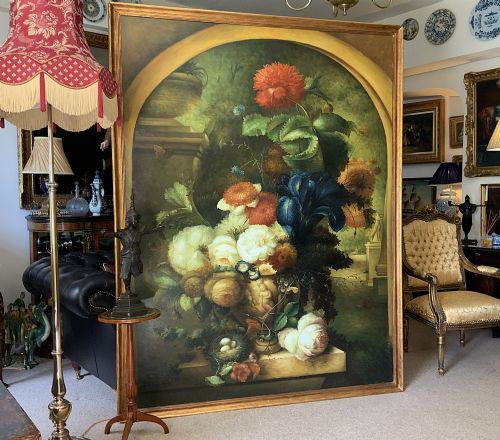
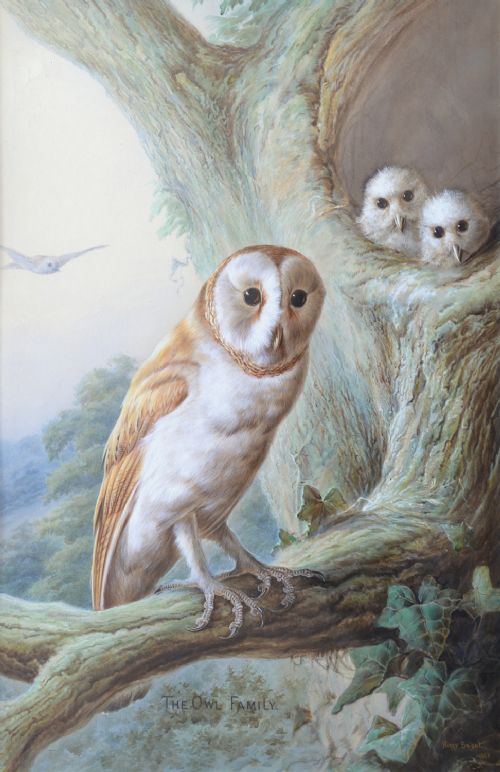
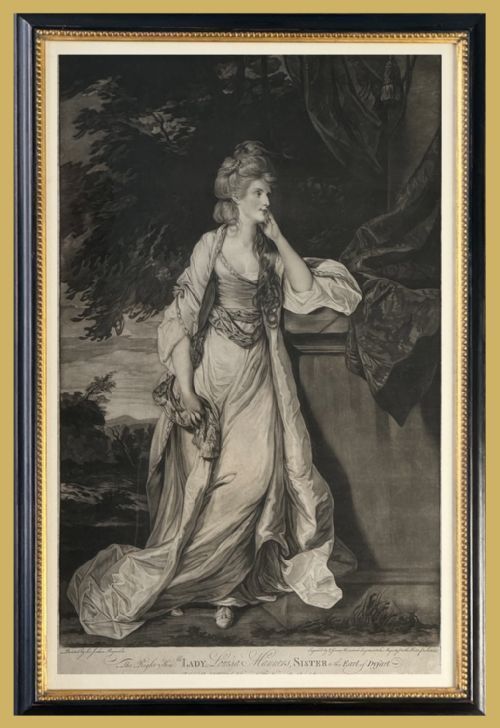
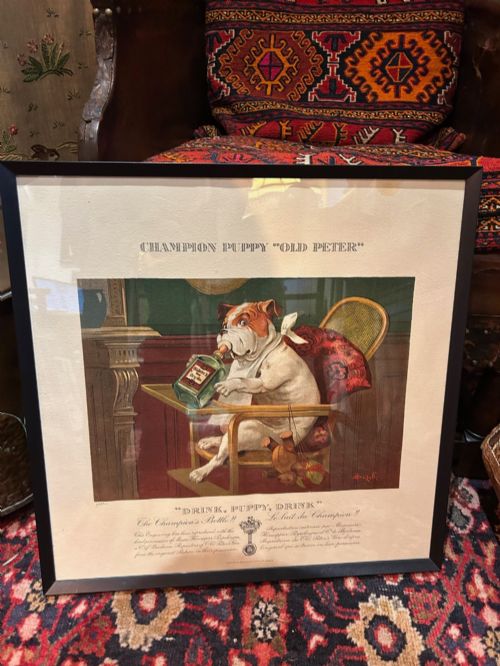
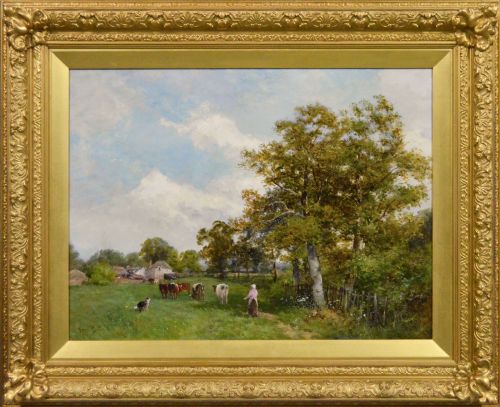
A green framed wall print spans a diverse collection of framed paper and canvas works, uniting centuries of wall art under this specific aesthetic framing. When exploring a green framed wall print, you encounter pieces originating from the eighteenth century through to the 1960s, including botanical studies, maps, and portraits.
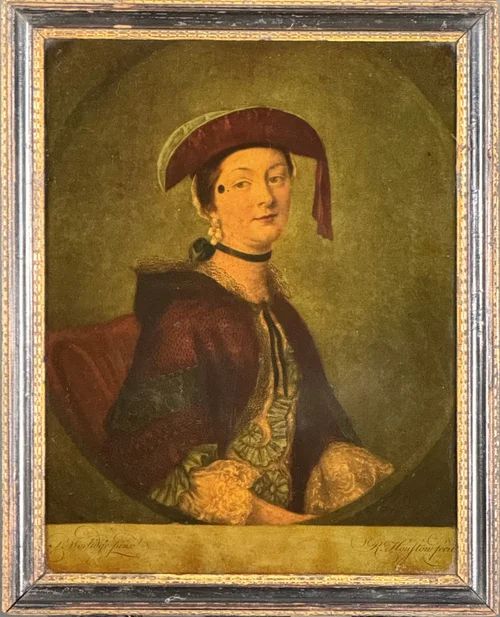
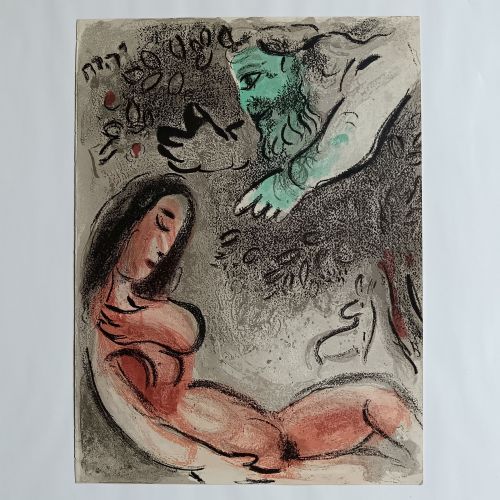
The selections range from Georgian reverse glass prints and Victorian natural history engravings to early twentieth-century French advertising posters and mid-century lithographs. Most examples you meet here pair antique or vintage imagery with wooden frames that complement the traditional subjects.
Materials and techniques
The works rely heavily on paper, ink, and watercolour, alongside oil on canvas and specialised printing methods like lithography, mezzotint, and photogravure. Artisans utilised hand-colouring techniques on many of the early engravings and botanical studies to enrich the visual depth.
Wooden frames, frequently accented with gilt or gold leaf, enclose glass to protect fragile media such as paper prints, watercolours, and reverse glass paintings. These physical components work in tandem to preserve centuries-old illustrations and oil paintings for display.
Listings feature paper, glass, wood, ink, watercolour, and oil on canvas across periods from the 18th century to 1960.
Distinctions in quality
Quality rests upon the clarity of the print impression, the crispness of the hand-applied colour, and the original integrity of the paper or canvas medium. Finer works display sharp detail in engraving lines and rich, stable pigments that have avoided heavy fading over the decades.
The relationship between the artwork and its housing matters significantly, with period-appropriate wood frames and well-preserved glass elevating the piece. Superior examples maintain their original framing elements, which support the historical context of the visual work.
Charles Spooner·Valentine Green·Marcellin Auzolle·David Bates·Marc Chagall·Frederick Walker·Herbert Gustave Schmaltz·Thomas Jefferys·Kunisada·John Cary·John Atkinson·John Curtis·Georg Wolfgang Knorr·William Swainson·H. Alken
The Green Framed Wall Print Glossary
- Mezzotint
- A printmaking process of the intaglio family where the plate is roughened to achieve rich tonal gradations. This technique allows for subtle transitions between light and dark areas.
- Lithograph
- A planographic printing process using a stone or metal plate on which the image area is receptive to ink. Artists use this method to produce both fine art prints and commercial posters.
- Reverse glass painting
- An art form where the artist paints or applies ink on the reverse side of a piece of glass, viewed from the front. This technique creates a glossy surface finish.
- Engraving
- A printmaking method involving cutting lines into a metal plate to hold ink for transfer onto paper. It produces precise, sharp linear details.
- Photogravure
- A printmaking technique that produces a photographic image on a copper plate, translating continuous tones into ink. It captures the nuance of original photographs with high fidelity.
Green Framed Wall Print: Frequently Asked Questions
What periods do these framed prints cover?
The selection spans from the seventeenth century up to the 1960s, encompassing Georgian, Victorian, Edwardian, and mid-century eras.
You will find everything from early botanical engravings to mid-century French lithographs within this diverse grouping.
How are reverse glass prints displayed?
Reverse glass prints are mounted directly within wooden frames, protecting the delicate paint or ink applied behind the glass surface.
This technique requires careful wall placement away from direct sunlight to preserve the vibrant pigments visible from the front.
What subjects appear most frequently?
Common subjects include natural history studies, botanical illustrations, historical maps, sporting scenes, and portraiture.
Many pieces reflect the scientific and decorative interests of the Georgian and Victorian periods.
Are the frames original to the artwork?
Some pieces retain their period wooden frames, while others have been paired with complementary frames that suit the style of the print.
Checking the materials helps determine whether the framing aligns with the era of the artwork inside.