




Green Forest Artwork
Green forest artwork captures the quiet depth of wooded landscapes through Victorian, Edwardian, and mid-century paintings and prints.
Green Forest Artwork
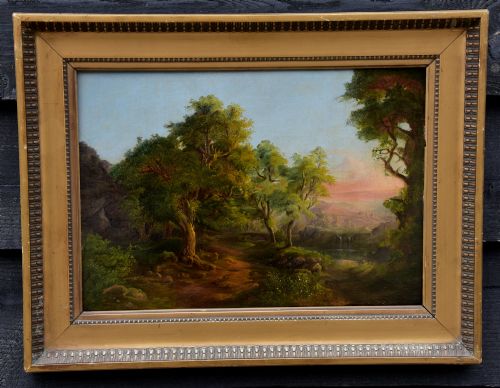
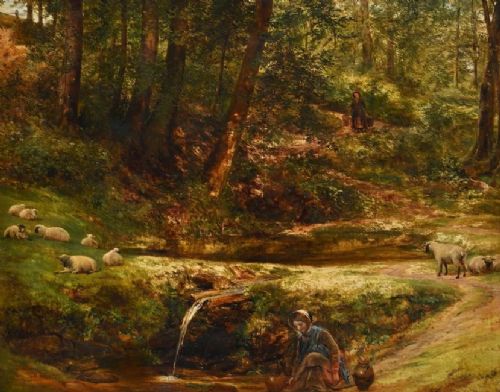
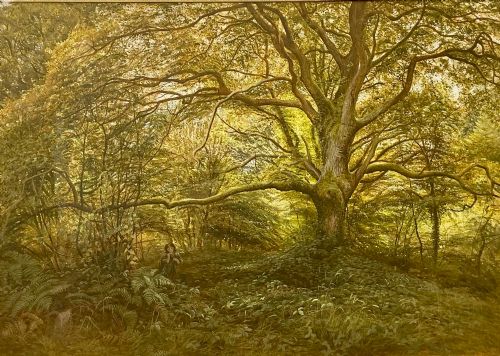
Green forest artwork encompasses paintings and watercolours depicting woodland scenes, rivers, and country paths. These pieces span from the nineteenth century into the mid-twentieth century, capturing nature through various regional and European movements.
Materials and methods
Artists painted these woodland scenes using oil paint or watercolour applied to canvas, wood panels, paper, or board. These traditional supports provide the structural foundation for the layered pigments that create depth in foliage and water.
Print techniques such as collotype appear alongside direct hand-painted works, offering varied textures and tonal qualities. Each medium influences how light filters through the painted trees and undergrowth.
Green Forest Artwork Retail Price Guide 2026
Typical asking prices for green forest artwork among the pieces listed under this phrase on Sellingantiques today, from the lower quarter to the upper quarter. They describe what is for sale here now, not the wider market.
Deer occasionally peek out from the foliage, reminding viewers that an English wood is rarely empty.
Factors determining quality
Quality rests in the artist's handling of light and shadow, particularly in how effectively the pigment conveys the dense canopy and dappled ground of a wood. Skilled brushwork brings movement to foliage and atmosphere to the surrounding landscape.
The choice of support and the preservation of the original surface also differentiate the works. Well-maintained panels and stable canvases retain the intended vibrancy of the nineteenth and twentieth-century pigments.
William H Myers·Richard Redgrave·Thomas Bromley Blacklock·James Proudfoot·Rowland Henry Hill·Ernest Higgins Rigg·Augustus William Enness·Charles Branwhite·Albert de Belleroche·Walter Emsley·Henri Harpignies
The Green Forest Artwork Glossary
- Collotype
- A planographic printing process using gelatin, capable of producing highly detailed photographic reproductions in monochrome or colour. It yields rich tonal gradations often found in early twentieth-century printmaking.
- Board
- A rigid flat substrate used instead of canvas for painting, commonly seen in nineteenth and twentieth-century works. It provides a firm, stable surface for oil application.
- Impressionism
- An art movement focusing on accurate depiction of light in its changing qualities, often using small, thin yet visible brush strokes. French and British adherents applied these principles to outdoor woodland views.
- Watercolour
- A paint wherein the colourants are suspended in a water-soluble vehicle, typically applied to paper. It allows for translucent washes that suit delicate depictions of light filtering through trees.
Green Forest Artwork: Frequently Asked Questions
How do I care for an antique oil painting?
Keep the canvas or board away from direct sunlight and fluctuating temperatures to prevent the paint from cracking over time.
Dust the surface gently with a soft, dry brush and avoid using water or chemical cleaners on the paint layer.
How can I tell the period of a woodland painting?
Examine the materials used for the support, such as prepared wood panels, card, or woven canvas, along with the framing style.
Brushwork and the handling of the subject matter often reflect the prevailing aesthetic tendencies of Victorian or twentieth-century schools.
What is the difference between oil and watercolour here?
Oil paint offers a heavier consistency that builds texture on canvas or board, allowing for rich layers of green foliage.
Watercolour utilises paper supports and transparent washes, creating a lighter, more luminous effect for woodland scenes.
Where should I hang a forest landscape?
Position the artwork on an interior wall away from moisture sources like kitchens or unventilated bathrooms to protect the paper or canvas.
Pair the piece with natural wood furnishings or neutral walls to complement the earthy tones of the woodland subject.