



Green Dress Art
Green dress art spans centuries of portraiture and decorative objects, offering collectors striking depictions and tactile pieces defined by colour and form.
Green Dress Art
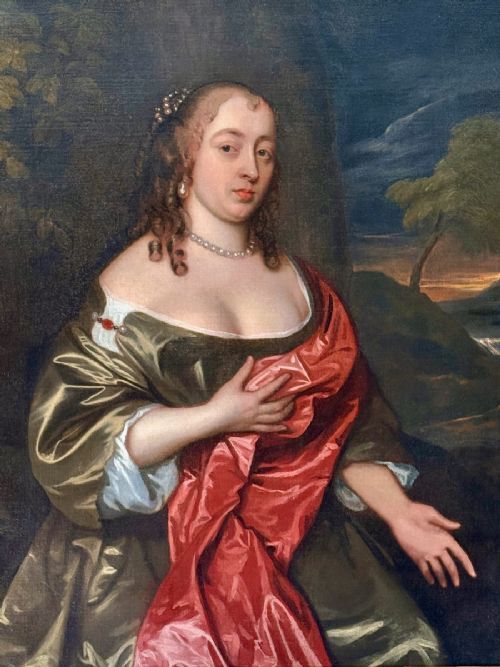
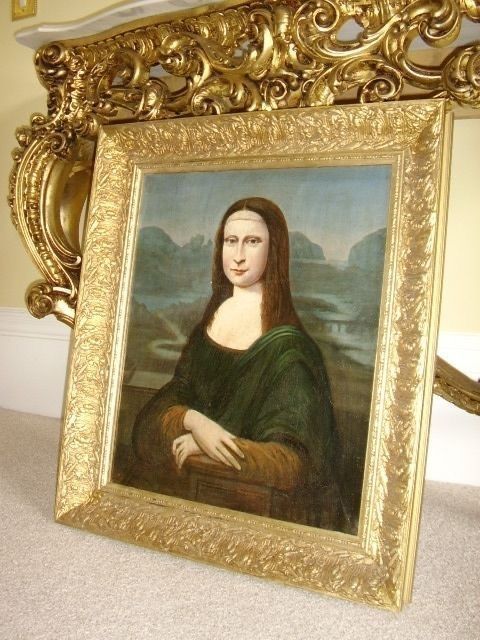
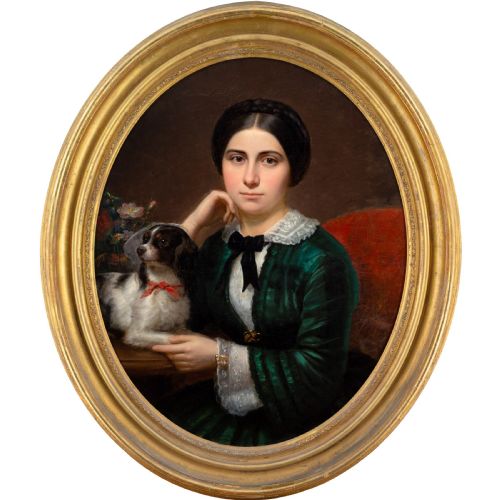
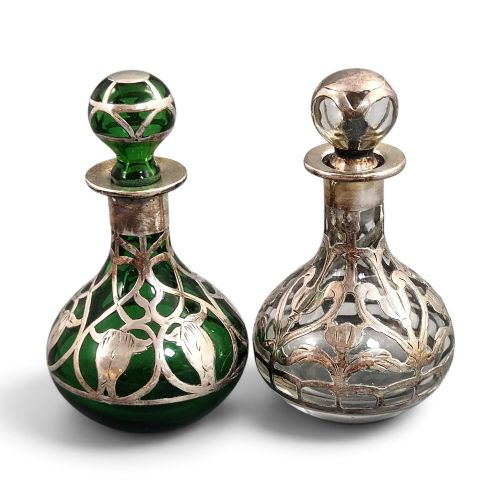
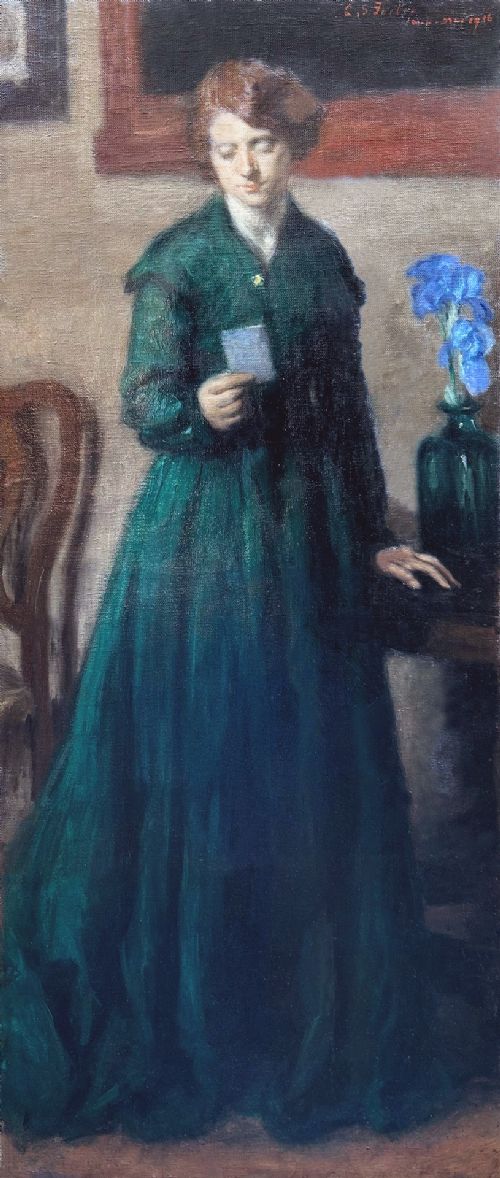
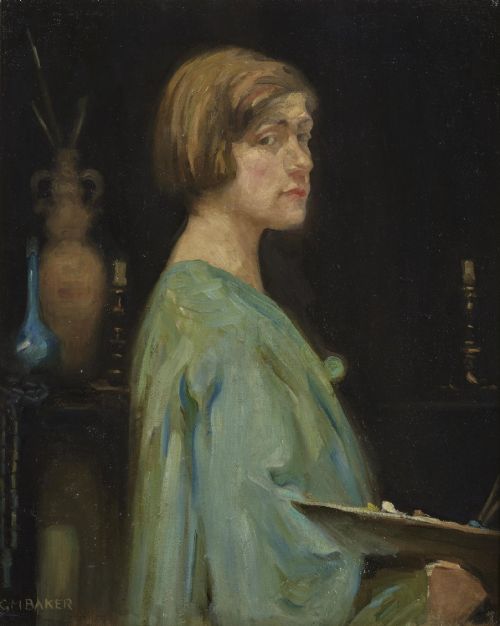
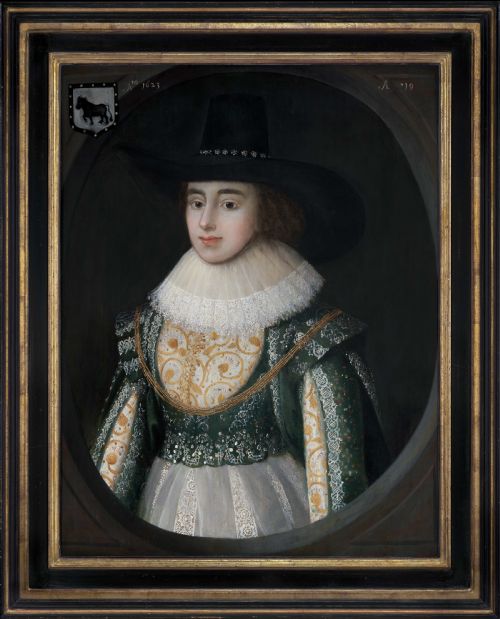
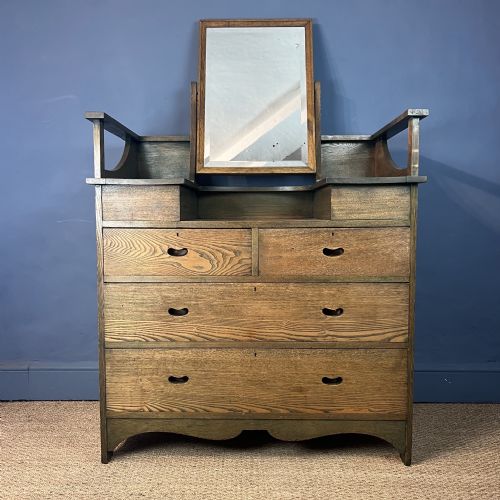
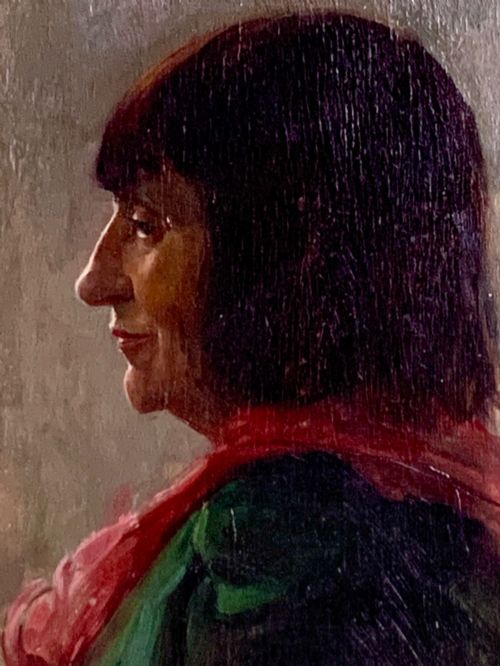
Green dress art encompasses oil paintings, watercolours, and reverse glass prints portraying figures alongside decorative items such as ceramic figures, glass perfume bottles, and lacquered dressing table mirrors.
The selection ranges from seventeenth-century portraits of nobility to twentieth-century Art Deco furnishings and jewellery set with emeralds, diamond clusters, and green enamel.
Oil paintings on canvas and panel sit alongside sculptural ceramics and silver overlay perfume bottles, reflecting varied interpretations of the theme across the seventeenth, eighteenth, nineteenth, and twentieth centuries.
How they were made
Painters utilised oil paint on canvas, wood panel, and watercolour on paper, applying pigments to capture intricate drapery and portrait subjects.
Silversmiths and jewellers worked with platinum, white gold, sterling silver, and yellow gold, mounting emeralds, diamonds, paste, and chalcedony.
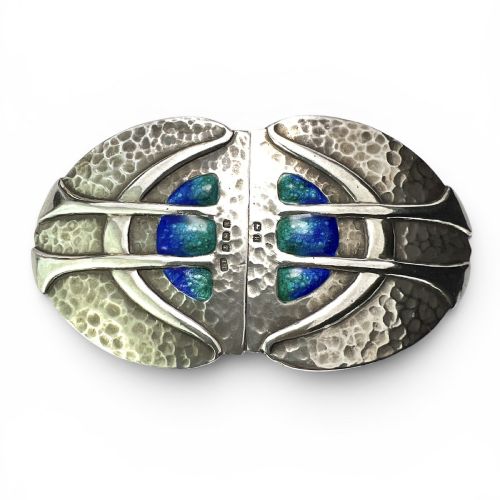
Decorative makers applied guilloché enamel and silver overlay to etched glass jars, perfume bottles, and brass frames, combining metalwork with tinted glass.
The inventory spans the seventeenth, eighteenth, nineteenth, and twentieth centuries, including Edwardian and Art Deco movements.
What varies in quality
The skill of the brushwork and the depth of the composition separate master portraiture from standard decorative school pieces.
In jewellery and silver objects, the clarity of the emeralds, the precision of the platinum or gold setting, and the preservation of the enamel determine the grade.
The integrity of original surfaces, whether oil paint, green lacquer, or carved chalcedony, dictates the overall standard of preservation.
James Fenton·George Walton·Harry & Lou Epstein·Karl Palda·Henry Perkins
The Green Dress Art Glossary
- Guilloché enamel
- Decorative technique where a mechanical pattern is engraved beneath transparent enamel. This method was widely used on dressing table jars and compacts.
- Oil on canvas
- Pigment suspended in drying oils applied to stretched woven fabric. This medium forms the basis of historical portraiture.
- Reverse glass print
- Image created or transferred onto the rear side of a glass plate to be viewed from the front. This technique produced glossy, protected surfaces popular in earlier periods.
- Art Deco
- Design style prominent during the 1920s and 1930s characterised by geometric shapes and stylised forms. It heavily influenced jewellery, ceramics, and mirrors.
- Platinum
- Dense, malleable precious metal used for high-end jewellery settings. Its strength allowed jewellers to create delicate mountings for diamonds and emeralds.
Green Dress Art: Frequently Asked Questions
How do I date an oil portrait?
Dating relies on stylistic clues such as costume, hair styling, and framing conventions, alongside stretcher construction and canvas types. Signatures or inscriptions on the reverse often provide corroborating evidence.
Comparison with documented works by the same school or artist helps narrow the decade of creation.
What defines Art Deco emerald rings?
These rings typically feature geometric platinum or white gold mountings set with calibre-cut emeralds and old-cut diamonds. The focus rests on symmetry and architectural lines.
Makers utilised millegrain edges and openwork galleries to enhance the sparkle of the stones.
How should I care for antique enamel?
Enamel requires protection from sharp impacts, harsh chemicals, and prolonged exposure to direct sunlight. Gentle cleaning with a soft, dry cloth preserves the glassy surface.
Submerging antique enamelled silver in water can damage underlying metal components.
What is reverse glass printing?
Reverse glass painting or printing involves applying pigment directly to the back of a glass sheet so the finished image displays through the front. This protected the fragile paint layer from dust and atmospheric grime.
Examples from earlier centuries often depict historical figures or decorative subjects.