


Green Damask Dining Chairs
Green damask dining chairs bring patterned silk elegance and rich timber frames to the table.
Green Damask Dining Chairs
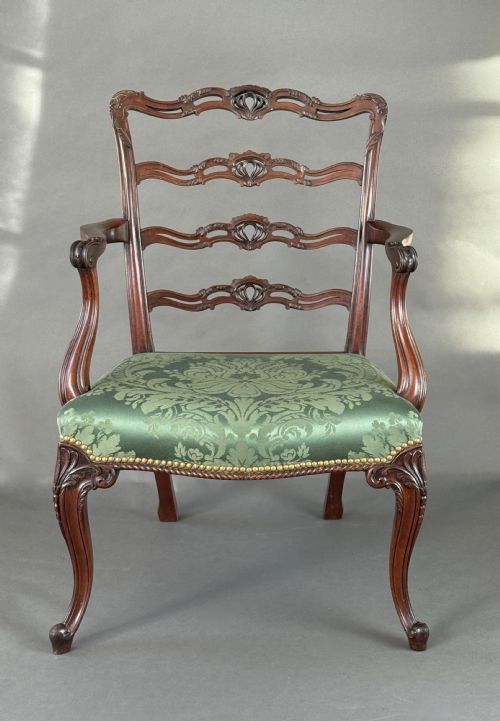
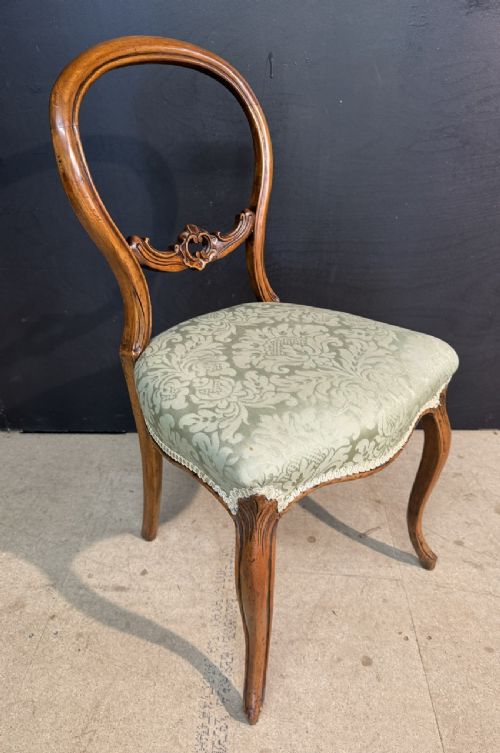
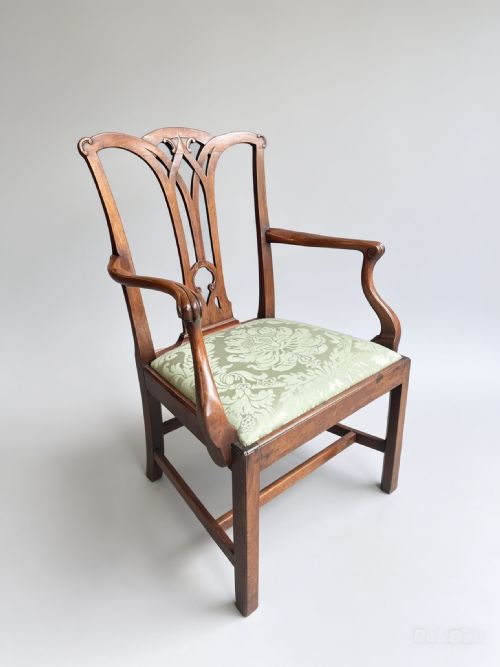
Green damask dining chairs combine patterned fabric upholstery with sturdy wooden frames, offering both comfort and classical interior presence. These seating pieces span eighteenth-century craftsmanship through to early twentieth-century revivals, reflecting enduring tastes in formal dining arrangements.
Most examples found here take the form of armchairs or side chairs constructed from mahogany and walnut. They draw heavily on Georgian, Regency, and Sheraton design traditions, showing carved details and cabriole legs.
How they were made
Cabinetmakers shaped these frames from dense hardwoods like mahogany and walnut, often employing intricate carving and marquetry inlay techniques. Joinery relied on traditional mortise and tenon methods to ensure structural longevity for daily use around the dining table.
Upholstery departments applied damask fabric directly to the seating components, securing the patterned textile with brass tacks or hidden fixings. Painted wood finishes also appear on specific decorated frames, adding visual contrast to the textile panels.
Some high-back Dutch walnut chairs feature marquetry so detailed that beetles and floral vines appear to crawl permanently up the timber.
What varies in quality
The refinement of the timber carving and the crispness of the joinery set finer examples apart from simpler utilitarian seating. Superior pieces display deeply sculpted cabriole legs and carefully matched wood grains that demonstrate exceptional workshop skill.
The choice of textiles and the execution of the damask weave influence the overall richness of the piece. Matching sets require consistent timber selection across every chair, whereas individual armchairs rely on striking proportions to hold attention.
The Green Damask Dining Chairs Glossary
- Damask
- A reversible figured fabric with patterns formed by contrasting warp and weft threads. It provides the characteristic sheen and texture seen on these upholstered seats.
- Cabriole leg
- A furniture leg that curves out and then in, resembling an animal's curving leg. This shape is typical of eighteenth-century seating designs.
- Marquetry
- The art of applying pieces of veneer to a structure to form decorative patterns. Dutch walnut chairs often utilise this technique on high backs.
- Armchair
- A seating unit featuring supportive side rests for the arms. They frequently accompany larger sets of dining chairs at the head of the table.
- Side chair
- A chair without armrests designed for dining use. These pieces allow diners to sit closely together along the length of a table.
Green Damask Dining Chairs: Frequently Asked Questions
Are these chairs comfortable for long dinners?
These chairs provide traditional upright support suitable for formal dining occasions. The upholstered seats offer padding beneath the damask fabric.
Armchair versions add the benefit of wooden armrests for extra support. Their historical designs prioritise posture and elegance during extended gatherings.
How do I match different periods together?
Mixing eighteenth-century pieces with later Regency or Georgian style reproductions creates a layered dining room aesthetic. Matching the primary timber, such as mahogany, helps unify varied chair designs.
Pay attention to seat height and back proportions to ensure guests sit at a comfortable level relative to the table surface.
Can I use these chairs every day?
Solid mahogany and walnut frames offer strong structural integrity for regular household use. Standard maintenance involves gentle dusting of the timber and careful textile care.
Avoid placing antique upholstery in direct sunlight to protect the green damask colour from fading over time.