
Green Country Oil Painting
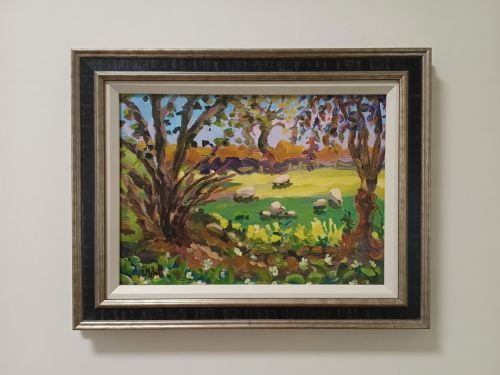
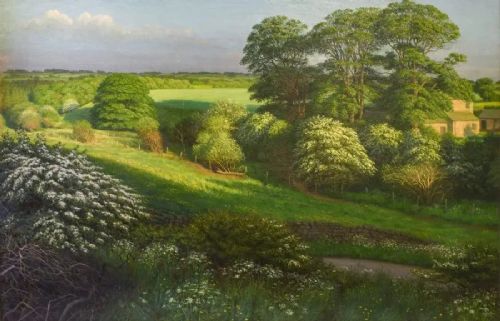
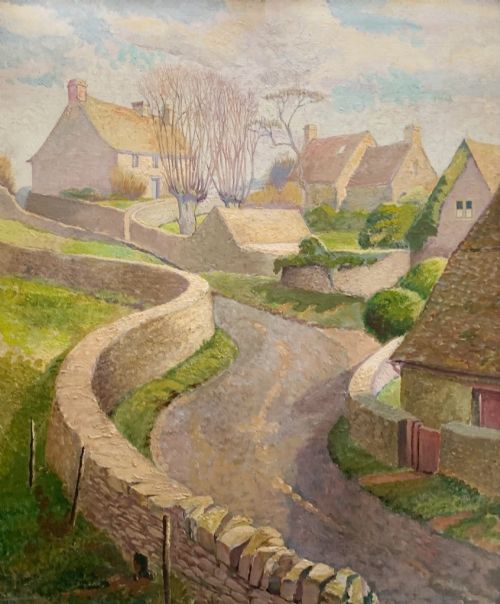
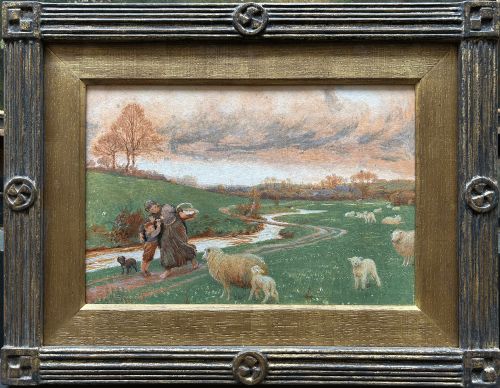
Green country oil painting works capture rural fields, rivers and livestock through traditional pigments laid directly onto canvas, board or wood.
Green Country Oil Painting
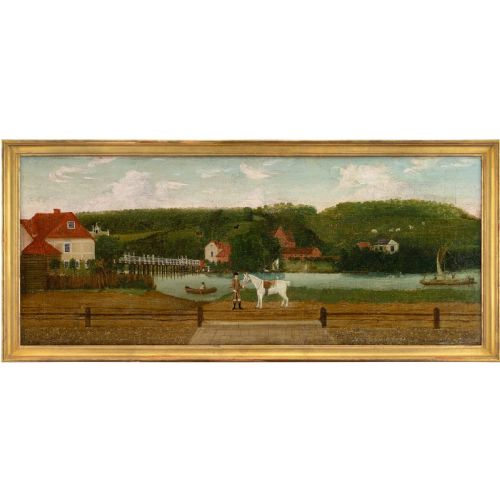
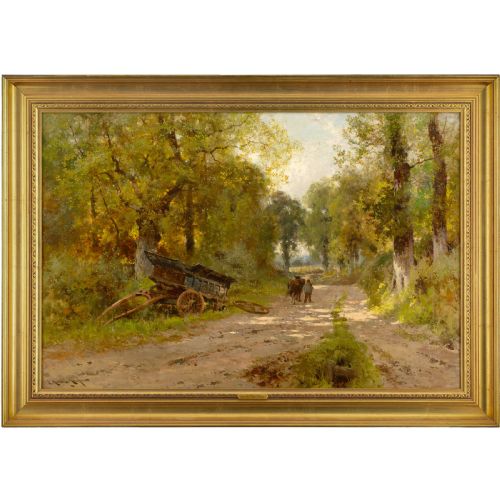
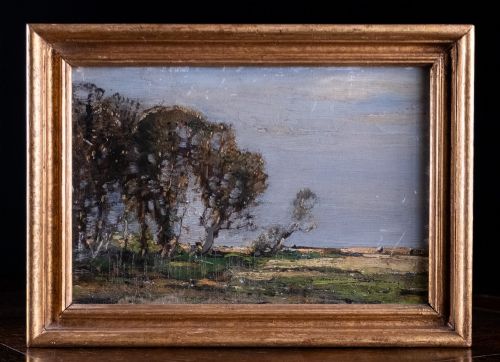
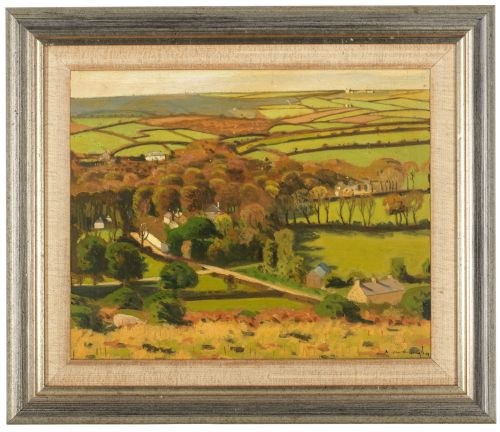
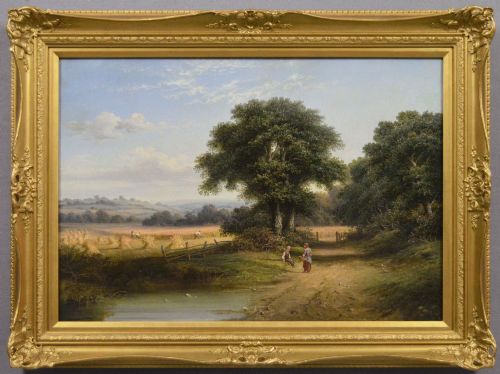
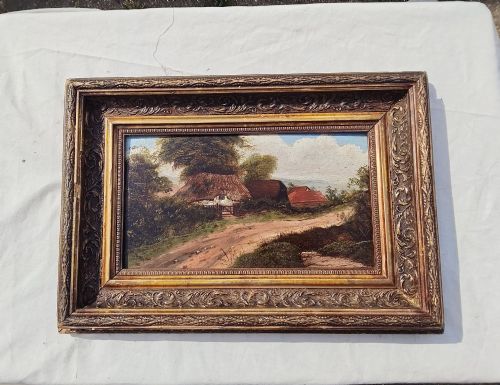
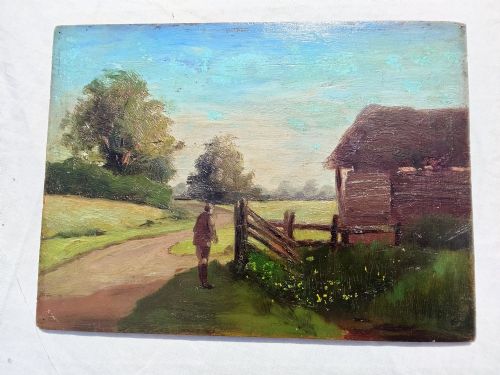
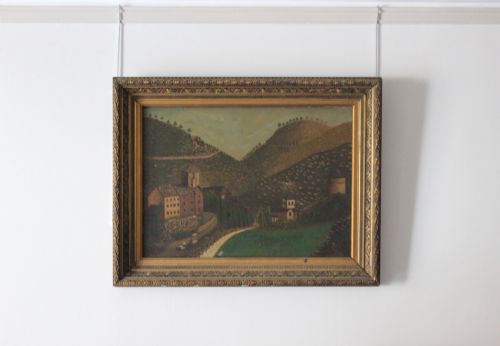
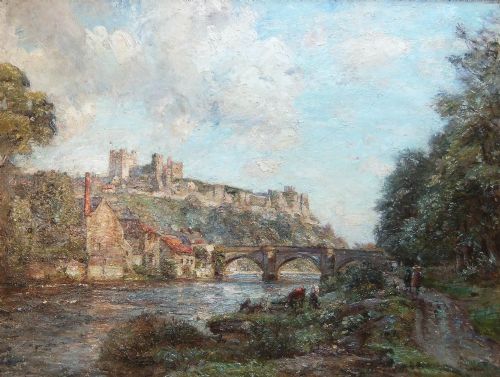
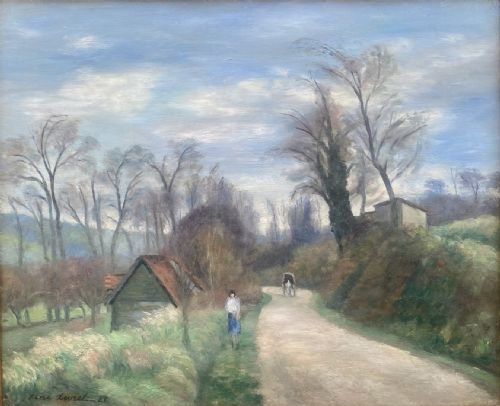
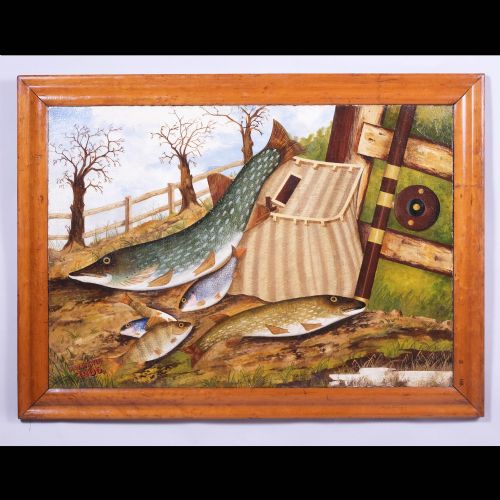
A green country oil painting typically depicts pastoral scenes, rural landscapes, cottages, farmyards, rivers and livestock set against fields and trees. These works range from provincial naive folk art and Victorian sporting scenes to British Impressionism and Post-Impressionist interpretations spanning the nineteenth and twentieth centuries.
Buyers will encounter various formats on this page, including traditional canvas stretches, wooden panels, cards and board supports. Many pieces arrive framed in period gilt wood, reflecting the decorative preferences of their original Victorian, Edwardian or mid-century owners.
Materials and construction
Painters utilised oil paint applied to woven canvas, rigid wooden boards, card or wood panels. Canvas works were occasionally later laid onto board for structural support, while frames were commonly constructed from timber finished with gilt.
Pigments were worked using brushes and palette knives to build texture, capturing natural light in pastoral settings ranging from riverbanks to harvest fields.
Listings feature canvases, wooden boards, and cards spanning the nineteenth century to the mid-twentieth century.
Assessing quality and execution
Quality rests in the handling of light, atmosphere and perspective within the rural subject matter. Stronger works demonstrate confident brushwork and believable anatomical proportions in figures, livestock and horses.
The integration of the composition with its period frame, along with the preservation of the original paint surface on canvas or wood board, distinguishes accomplished studio output from simpler provincial pieces.
Robert Morson Hughes·Walter Heath Williams·Herbert Royle·Rene Levrel·Henry Yeen King·Henry H Parker·Sydney Yates Johnson·Hubert Wellington·Henri Jaques Delpy·Harry Freckleton·Thomas Sidney Cooper·William JB Jenkins·Ernest Higgins Rigg·William Greaves·Samuel Joseph Clark·Philip Henry Rideout·George Armfield
The Green Country Oil Painting Glossary
- Canvas
- A heavy woven fabric stretched across a wooden frame to serve as a painting surface. It provides the traditional flexible base for most nineteenth-century and twentieth-century oils.
- Gilt wood
- Wood carved and coated with a thin layer of gold leaf or metallic gilt paint. This material forms the ornate frames frequently housing period landscapes.
- Board
- A rigid wooden or fibrous panel utilised as a firm support for oil paint. It offers an alternative to woven fabric, particularly in smaller studies.
- British Impressionism
- A painting style focusing on light and everyday subjects using rapid brushstrokes. This approach appears frequently in regional landscapes from the late nineteenth and early twentieth centuries.
- Barbizon School
- A French movement dedicated to naturalistic landscape painting. Artists associated with this circle heavily influenced European rural landscape traditions.
Green Country Oil Painting: Frequently Asked Questions
What periods do these paintings cover?
The available artworks span from the nineteenth century through the Edwardian era and into the mid-twentieth century. Pieces reflect prevailing aesthetic movements of their respective decades.
Examples include Victorian realism, Edwardian pastoral studies, and later mid-century impressionistic interpretations of rural views.
What surfaces are used for these works?
Artists painted on various supports including stretched woven canvas, solid wooden panels, board and card. Canvas pieces were occasionally laid down onto board during later conservation.
Frames are predominantly constructed from wood, often featuring original gilt finishes that complement the rural subject matter.
How should I display an oil painting?
Display paintings away from direct sunlight and fluctuating humidity to protect the oil pigments and wooden supports. Ensure the piece is hung securely using appropriate fixings suited to the weight of the frame.
Keep the canvas and gilt frame clean by gently dusting with a soft, dry brush without applying liquid cleaners.
How do I identify a naive folk art piece?
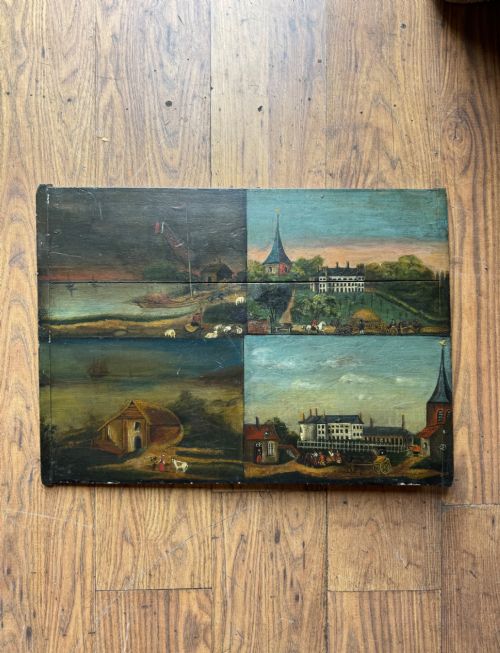
Naive folk art paintings typically feature simplified perspective, unpolished proportions and direct brushwork characteristic of self-taught provincial artists. They focus heavily on local narrative and everyday rural scenes rather than academic rules.
These works offer a charming, unpretentious record of historical country life and agricultural environments.